
Van Gogh’s ‘Starry Night’ Was Inspired By The Eiffel Tower, New Theory Suggests
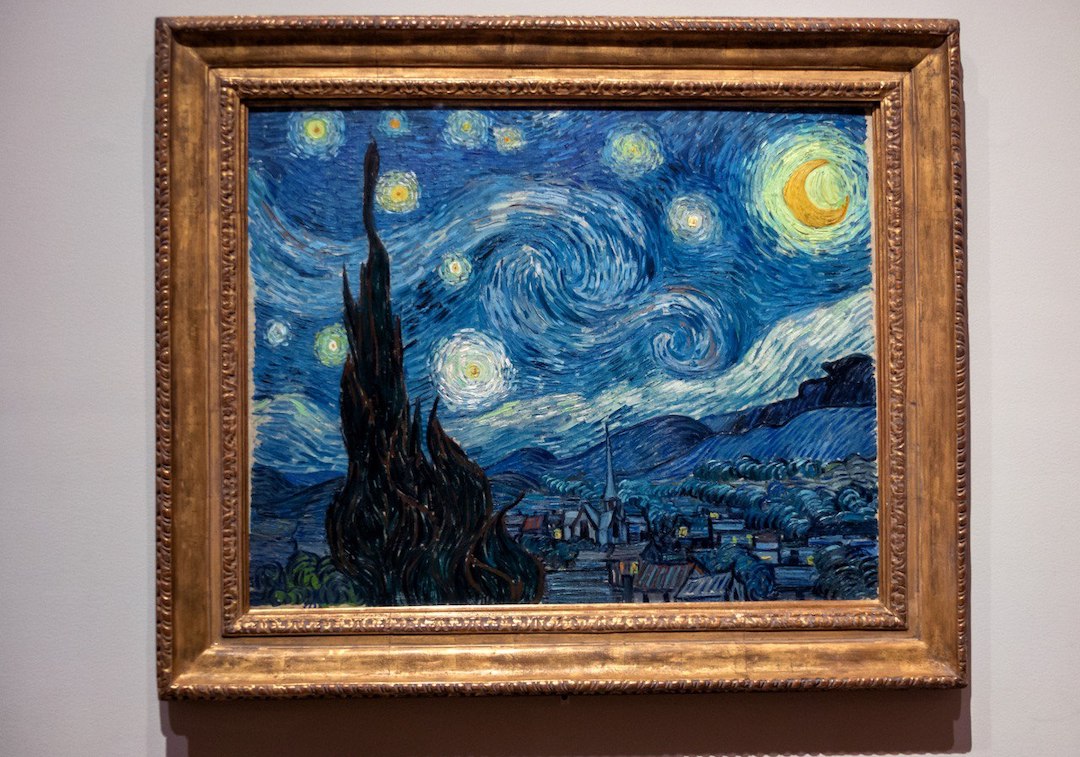
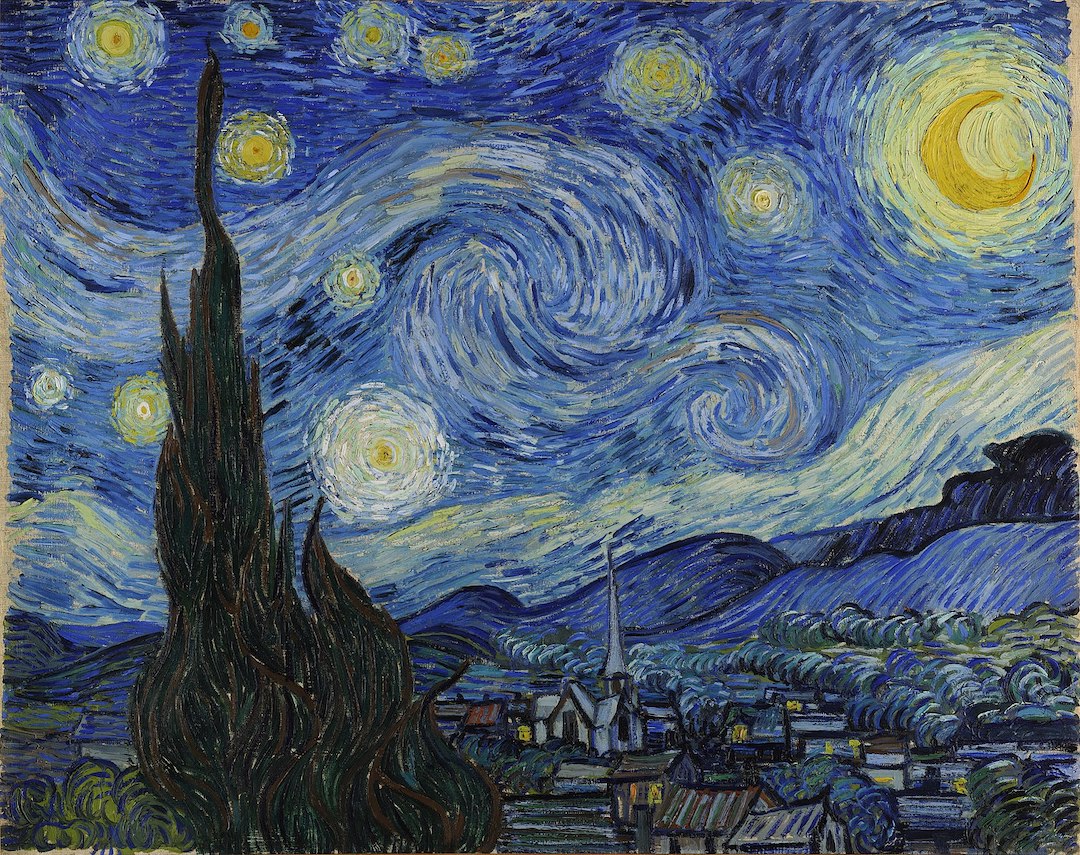
In 1889, two historically significant events that would shape the future of the art and architectural worlds occurred: the Eiffel Tower finally opened, and Vincent van Gogh painted Starry Night just a few months later.
James Hall, a former art critic for The Guardian, has come up with a new theory that believes the iconic structure might have influenced the artist’s decision to paint the central tree as he had.
First, looking at the tower, it was designed by Gustav Eiffel for the International Exposition in 1886. Its open-lattice structure won him the competition, and by 1889, it would forever change the Parisian landscape.
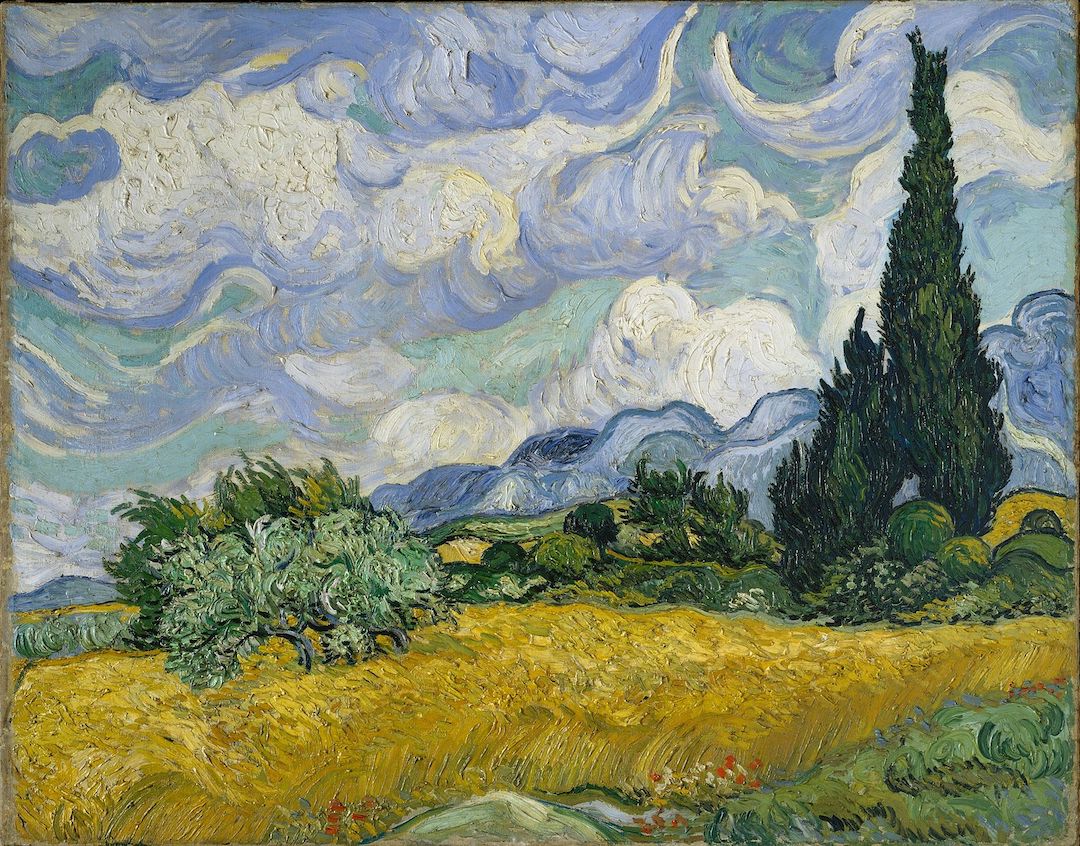
Starry Night, on the other hand, was painted just a few months later when van Gogh was incarcerated in an asylum near Saint-Rémy in southern France. He dabbled in cypresses in his paintings, including Wheatfield with Cypresses. His interest in the trees was noted in a letter to his brother Theo, remarking that their beauty still preoccupied him, and he saw it like an Egyptian obelisk.
“Van Gogh’s Starry Night is nature’s and history’s response to Eiffel’s bombastic shuddering metal monster that sought to surpass the Egyptians,” Hall wrote in his research which will be published in the art journal Burlington Magazine in April. “The obeliscal cypress dominates Saint-Rémy and its church spire in much the same way that the 300-metre Eiffel Tower dominates Paris.”
In that sense, it seems like the “metal monster” left an indelible mark on the artist, as it possibly also inspired Wheatfield with Cypresses. Here, Hall noted that gap between a big and small cypress that looked like they were leaning toward each other like the tower’s legs.
[via ARTnews and The Guardian, images via various sources]


