
Kuwait Unveils AI News Anchor That It Claims ‘Represents Everyone’ In The Nation
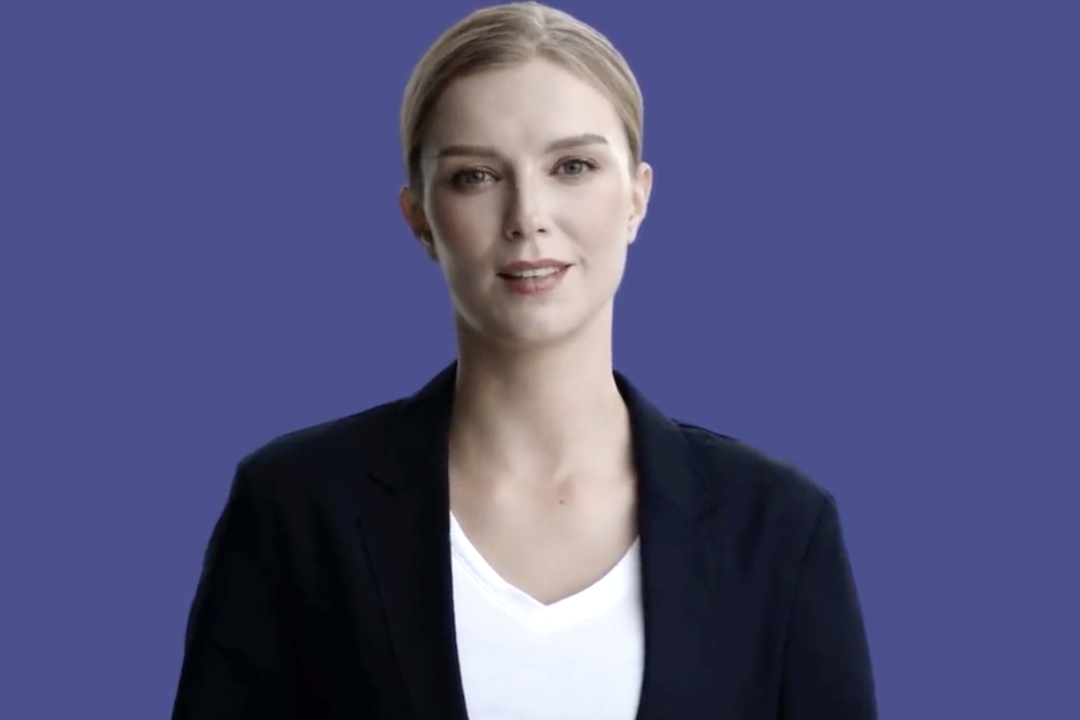
The next time you tune into the news, don’t be alarmed if the anchor doesn’t look all human. Recently, Kuwait News, the country’s first English-speaking media outlet, unveiled ‘Fedha’—a news anchor powered by artificial intelligence.
Kuwait News announced the virtual presenter in a video on Twitter, in which she introduced herself as the “first presenter in Kuwait who works with artificial intelligence.” Notably, many were intrigued by the fact that Fedha appeared to be a blonde, blue-eyed woman.
The paper’s Deputy Editor-In-Chief Abdullah Boftain told AFP the anchor’s light-colored hair and eyes were reflective of the country’s “diverse population” of locals and expats, and that the presenter “represents everyone.”
According to the publication, ‘Fedha’ is a popular, old Kuwaiti name referring to silver, and because robots are often pictured as metallic in nature, it decided that it would be a fitting name for an AI-powered news anchor.
أول مذيعة ÙÙŠ #الكويت تعمل بالذكاء الاصطناعي
— كويت نيوز (@KuwaitNews) April 8, 2023
• #Ùضة.. مذيعة #كويت_نيوز الاÙتراضية
• ما هي نوعية الأخبار التي تÙضلونها بتقديم #Ùضة زميلتنا الجديدة؟ .. شاركونا آراءكم pic.twitter.com/VlVjasSdpb
As Euronews noted, Fedha is not the world’s first AI-generated news reporter. China was the first to come up with the idea when its state news agency launched its own iteration back in 2018, though Fedha seems like a much-improved version.
Nonetheless, experts are concerned that AI anchors could be used to replace actual journalists and impact freedom of expression. Currently, Kuwait ranks 158 out of 180 countries listed in the Reporters Without Borders 2022 World Press Freedom Index.
Despite the robotic-sounding voice and dead look behind their eyes, AI presenters like Fedha certainly seem capable of taking over daily reporting with ease. Will we gradually see human anchors replaced by these AI anchors? Or is the human touch essential to journalism? Viewers will be the ones to decide.
[via Futurism and Euronews, cover image via Kuwait News]


