
Transparent Graphene ‘Tattoo’ Can Sense Irregularities, Stimulate The Heart

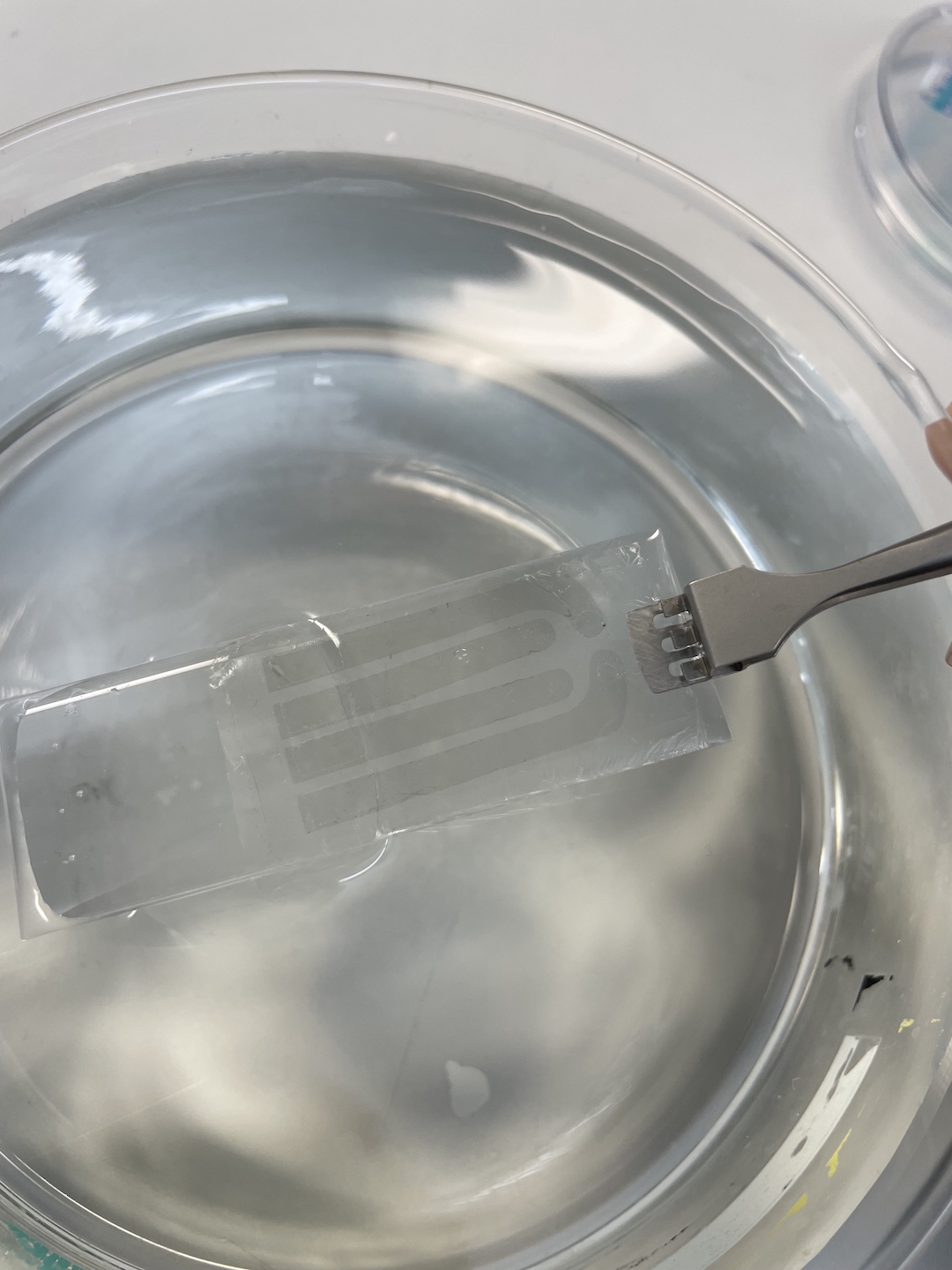
Scientists at Northwestern University, in collaboration with a team at the University of Texas at Austin, have come up with a novel graphene-based implant that functions like a typical pacemaker but measures thinner than a single strand of hair.
The 2D material, which is described as “ultra-strong, lightweight, and conductive,” appears similar to that of a stick-on tattoo. One key difference the gadget has with regular cardiac solutions is that it can softly meld onto the heart instead of having to insert hard, rigid materials into the body.
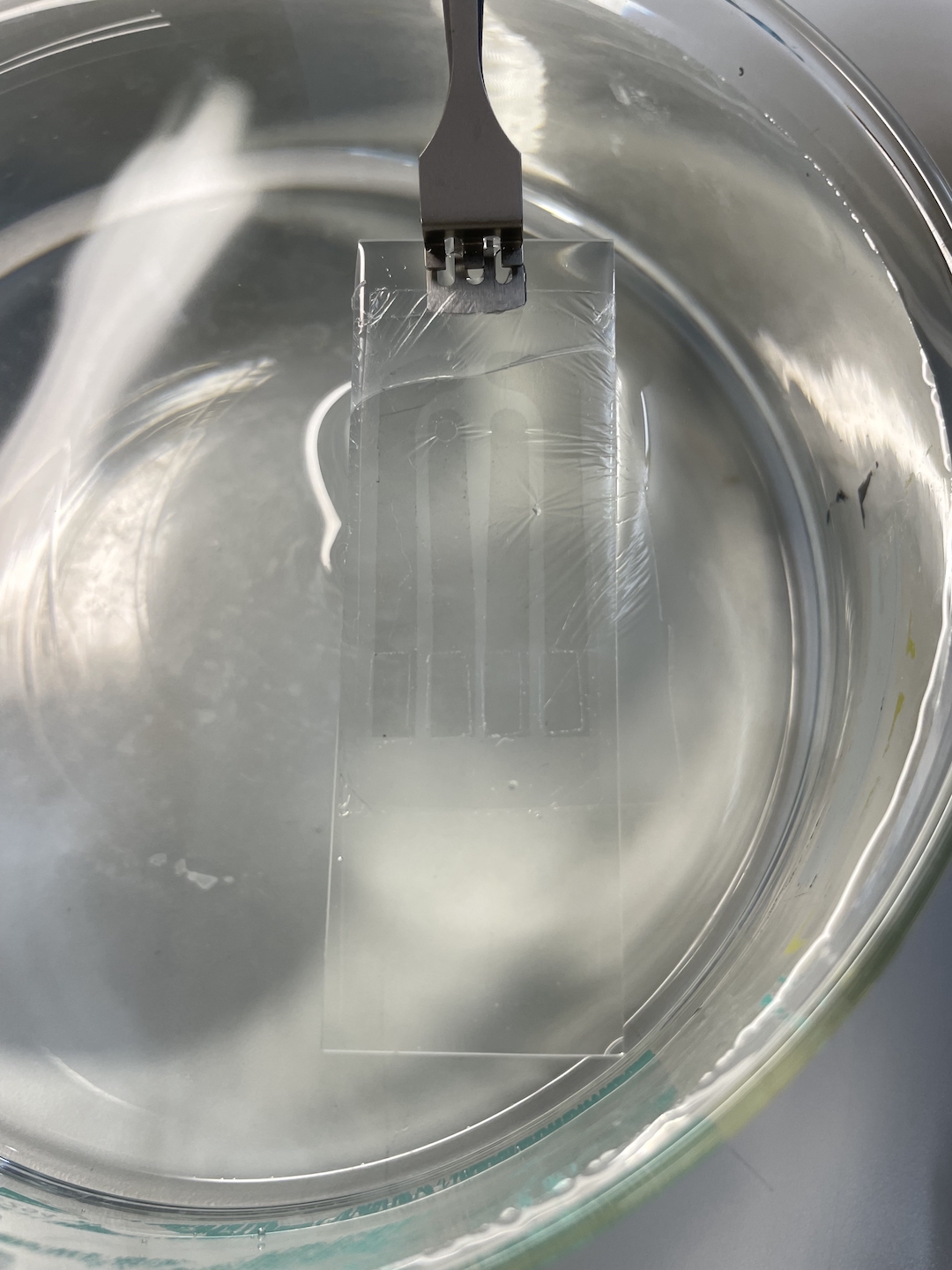
Even better, the two-in-one device, which is flexible enough to align itself with the organ’s contours, can sense and treat irregular heartbeats at the same time. The material is even strong enough to withstand the powerful beating of the heart.
According to the researchers, the device works by delivering electrical stimulation through a series of pulses, without constraining or altering any of the heart’s regular rhythms. Interestingly, the entire “tattoo” is transparent so that external light can stimulate the heart through it.

“One of the challenges for current pacemakers and defibrillators is that they are difficult to affix onto the surface of the heart. Defibrillator electrodes, for example, are essentially coils made of very thick wires,” explained Igor Efimov, the study’s senior author.
“Rigid interfaces with soft tissues, like the heart, can cause various complications. By contrast, our soft, flexible device is not only unobtrusive but also intimately and seamlessly conforms directly onto the heart to deliver more precise measures.”
The tattoo space has seen an increase in innovative ideas recently, with the University of Texas at Austin and Texas A&M University developing another electronic ink tattoo that measures one’s stress without any perceptible interference.
[via Interesting Engineering and University of Texas at Austin, images via various sources]


