
Maserati Shows Off One-Of-A-Kind GranTurismo Designs At Milan Design Week
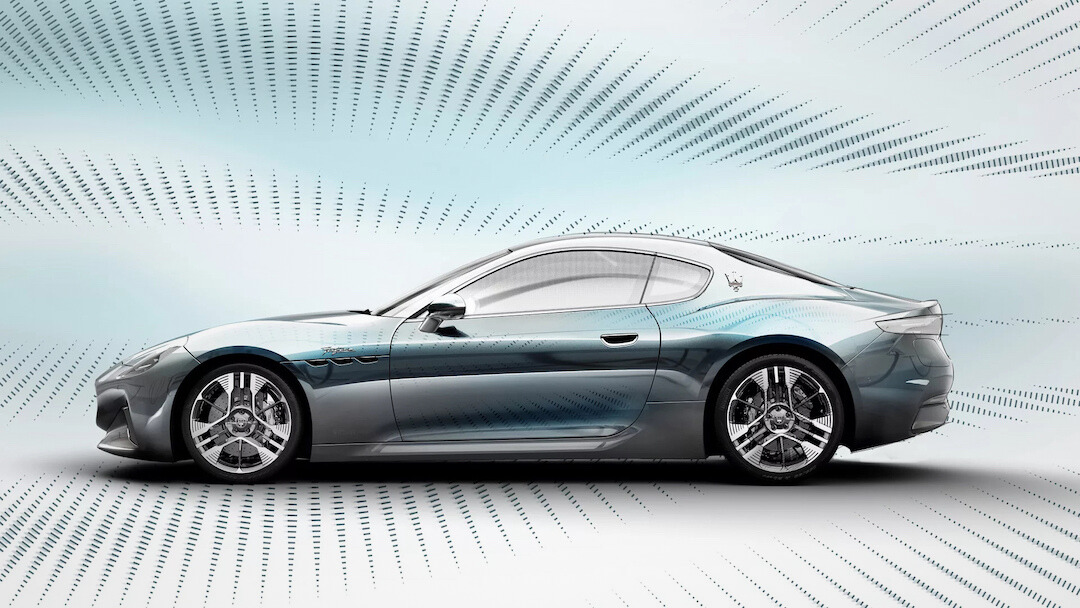
This week, artists, brands, and keen-eyed collectors have gathered in Italy for Milan Design Week, and where better for Maserati to showcase its special one-off GranTurismo looks than at the event?
The automaker displayed two real-life customizations—the Maserati GranTurismo Prisma and Maserati Granturismo Luce—of its famed supercar alongside a digital-only rendition by Japanese artist Hiroshi Fujiwara.
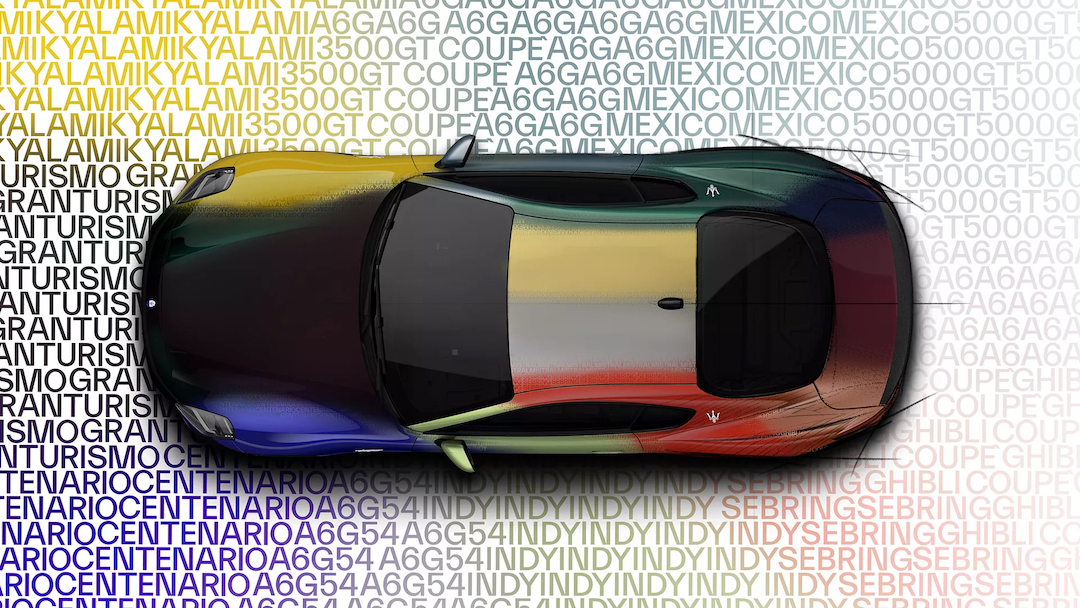
Those who lay eyes on the Maserati GranTurismo Prisma will immediately notice how colorful the vehicle is, which in total features at least 14 different hues on its polished exterior.
Two of the shades used were new to the brand, while the other 12 were taken from previous models. Examples include a reddish Amaranto from the 1947 Maserati A6 1.500 and a copperish Oro Longchamps from the 1973 Maserati Khamsin.
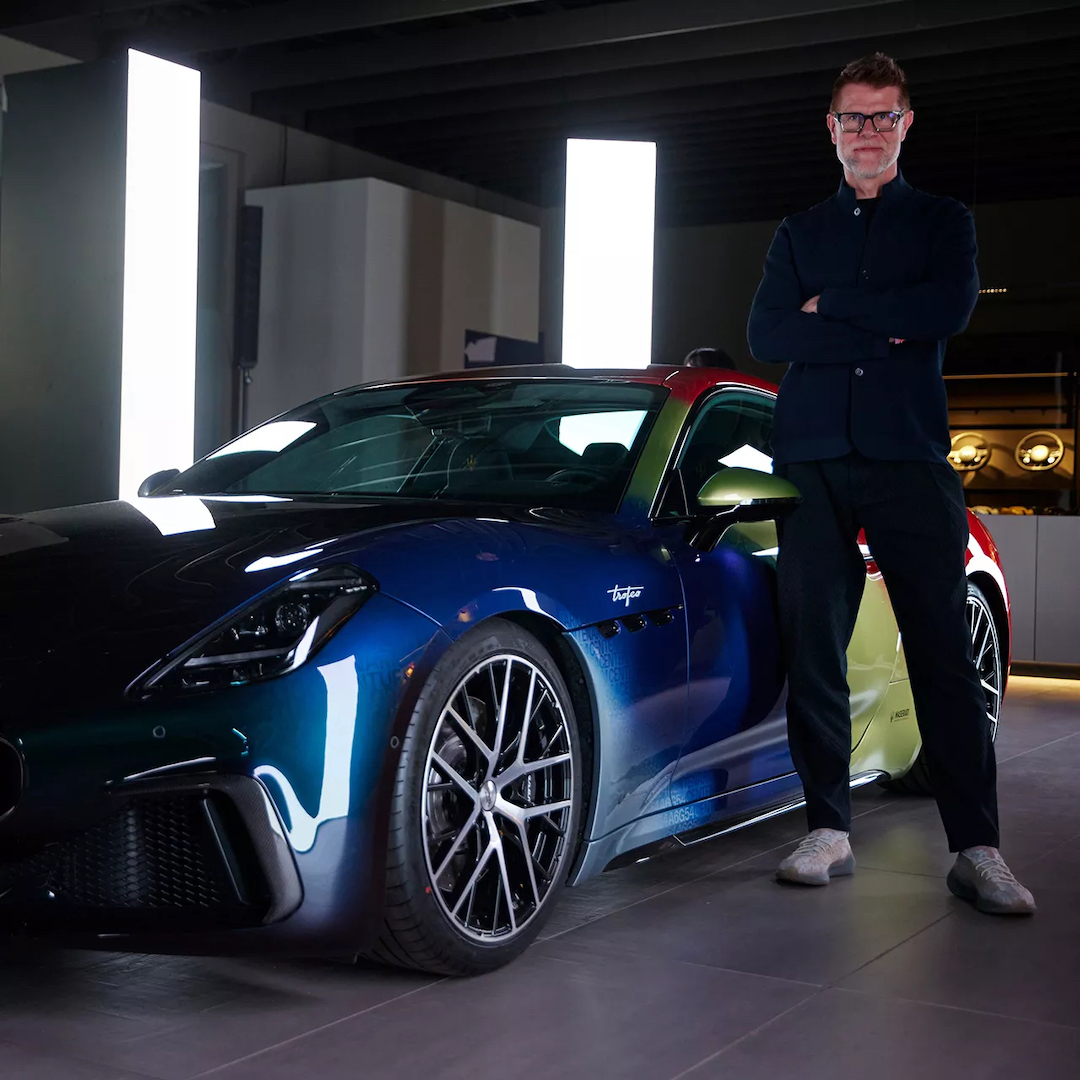
Impressively, instead of laying out the colors one after another like a rainbow, each of the shades was merged with the others in a gradient—in the form of over 8,500 hand-applied letters spelling the names of the automakers’ cars.
For the Maserati GranTurismo Luce, there’s only one word to describe the marvel: shiny. The car is decked out in a reflective sheen, dubbed a “chromatic mirrored monolith,” engraved with “laser-etched patterns” for extra flair.
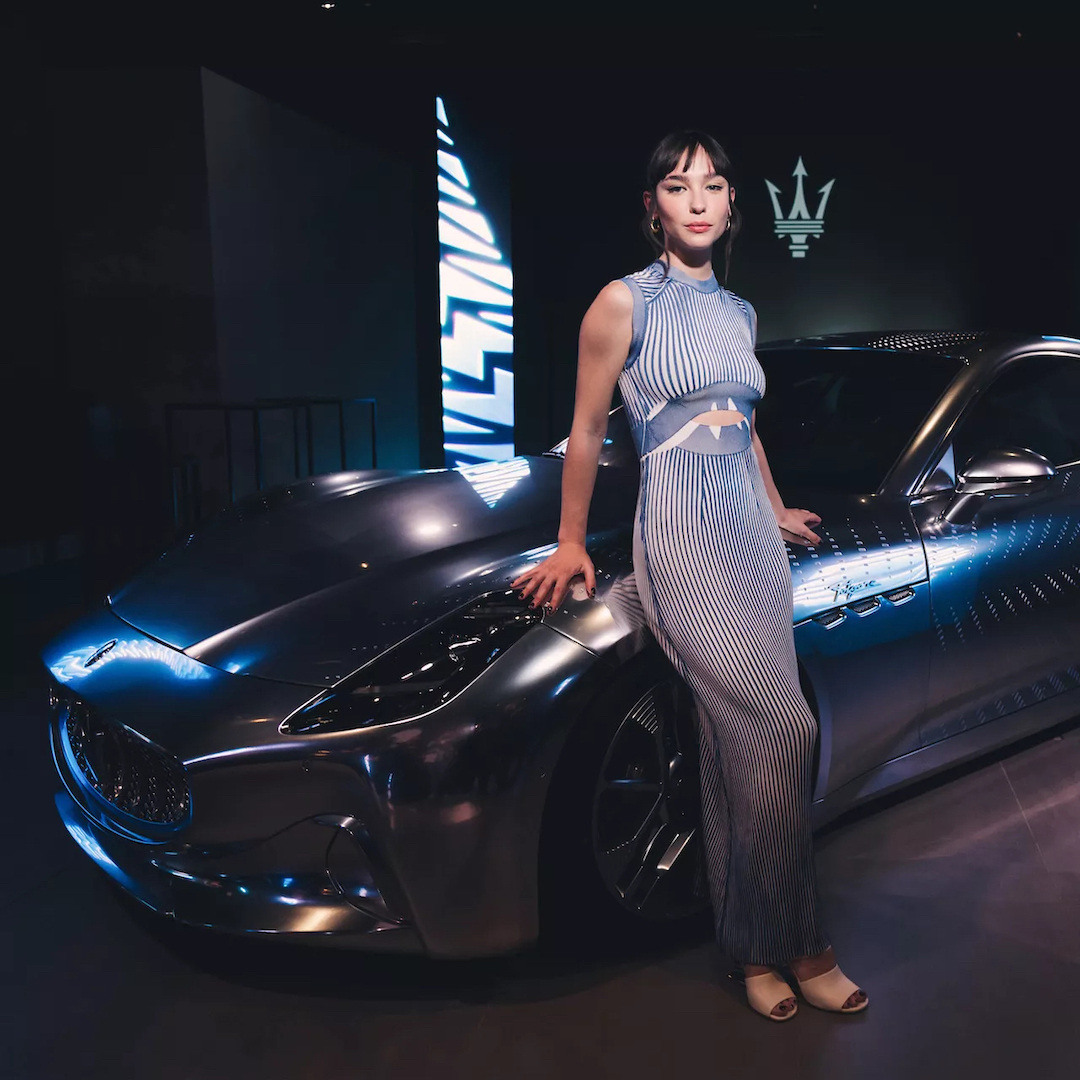
Due to how mirror-like the livery is with its “almost absent color” exterior, the vehicle seems to blend into its surroundings. Maserati takes an eco-spin on the interior, upholstering everything with Econyl, a sustainable regenerated nylon yarn.
Fujiwara, known as a “street culture pioneer,” had the honor of designing the final, digital-only vehicle, known as the Maserati GranTurismo One Off Ouroboros. The virtual car took on the form of the full-electric Folgore version of the GranTurismo.
Inspired by ‘Ouroboros’, a gnostic symbol meaning “unity of all things which never disappear but perpetually change form in an eternal cycle of destruction and recreation,” the one-of-a-kind design blended elements from cars of the past.
View this post on Instagram
[via Carscoops and Economic Times Auto, images via various sources]


