
Shape-Shifting, 4D-Printed Robot Restructures Itself According To Humidity
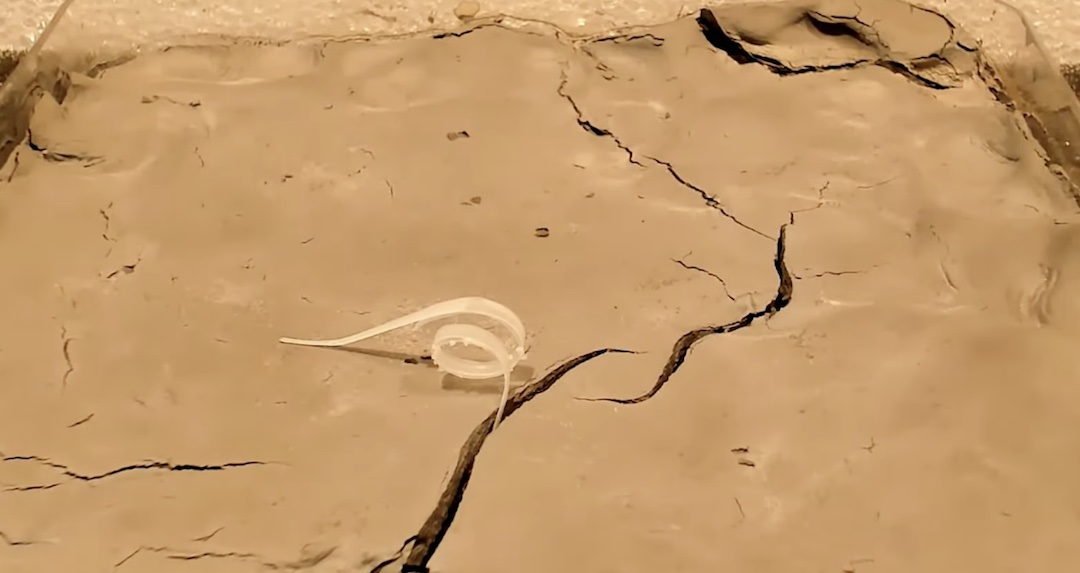
Soft, autonomous bots are crucial in monitoring different remote environments that researchers might not be able to keep a close eye on. A team at the Istituto Italiano di Tecnologia has developed a new 4D-printed biodegradable seed robot that can unfurl and sew itself into the ground.
The only types of dimensions that humans are privy to are two and three dimensions. The fourth remains an elusive plane of existence that scientists have only theorized about. In regards to the creation of this robot, in particular, it describes the creation process. 4D printing uses 3D printing to produce objects that change shape in response to environmental factors like light and temperature.
This particular robot was inspired by the South African geranium seed structure (Pelargonium appendiculatum). Naturally, it first detaches itself from its plant and, given the right amount of humidity, will begin to reform and penetrate the soil.
In a study first published in the Advanced Science journal, the team examined the structure and nature of the seed before using 3D printing and electrospinning techniques to create a biomimetic version.
The scientists employed fused deposition modeling (FDM) to craft a substrate layer of polycaprolactone (PCL), or eco-friendly thermoplastic polyester. Afterward, the substrate underwent an oxygen plasma treatment to enhance its water-attracting properties (hydrophilicity).
The next step involved introducing hygroscopic fibers, consisting of a polyethylene oxide shell and a cellulose nanocrystal core, to the substrate via electrospinning.
In a test, the team found that the robot could adapt to its surroundings and even managed to restructure itself to fit into a crack.
Ultimately, such inventions will help scientists work toward more non-invasive methods of monitoring the planet.
Watch the video below to see how it could enter the soil independently.
[via New Atlas and Nanowerk, cover image via Istituto Italiano di Tecnologia]


