
Translucent Aerogel Bricks Literally Shine A Light On Future Building Materials

Glass bricks were once a popular choice for accent walls and showers, but their fragile nature and lackluster insulation left them relegated to the annals of design history.
Scientists at Switzerland’s Empa research group have been experimenting with novel ways to transform these glass bricks into something more useful. And they’re doing so by adding an aerogel solution within them to turn them into great insulators that can still let the light shine through.
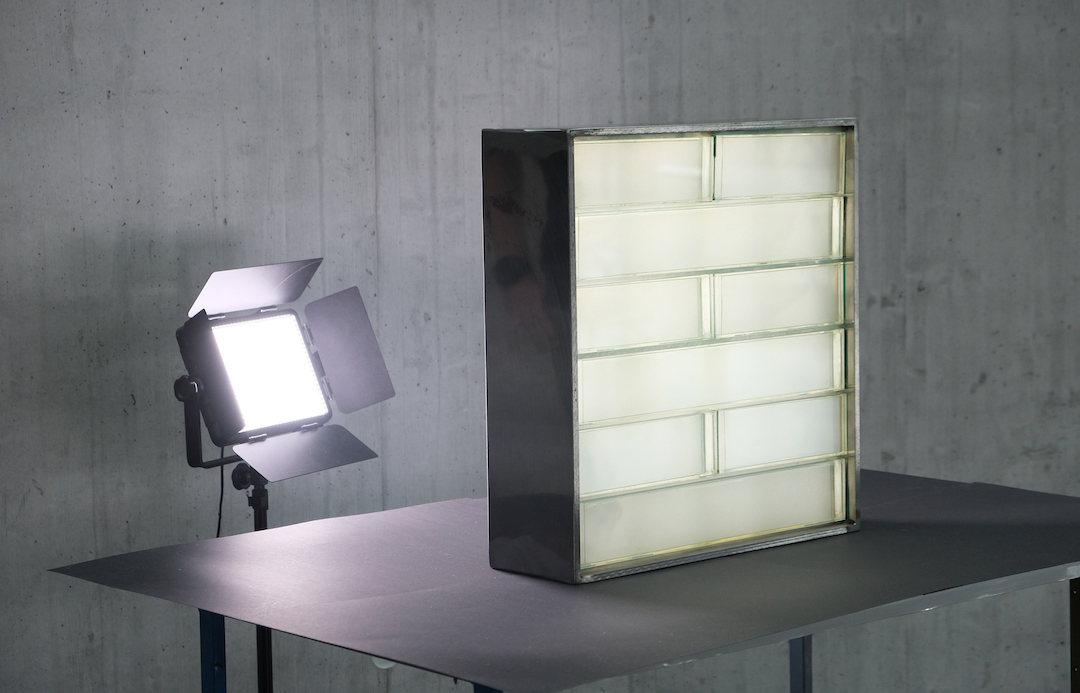
The study began six years ago when the researchers filled the cavities of regular clay bricks with a paste made from aerogel particles. Initially, the goal was to develop a new building material with high thermal insulation properties.
The experiment has now taken a new turn in finding a solution where translucent bricks can be used instead of opaque ones. In a paper published in the Journal of Building Engineering, translucent silica aerogel granules were used between sheets of clear glass. Scientists then joined together to create a rectangular shape—like a traditional brick.

These new types of bricks can potentially solve a few problems at once. One is that they have a compressive strength of 44.9 megapascals. According to the group, this is higher than their clay-insulating counterparts, making them usable in load-bearing walls.
Next up are their thermal properties. They have a measured conductivity of 53 milliwatts per meter kelvin, which is “the highest insulating performance of any brick found in the technical literature, let alone on the market,” as stated by the researchers.
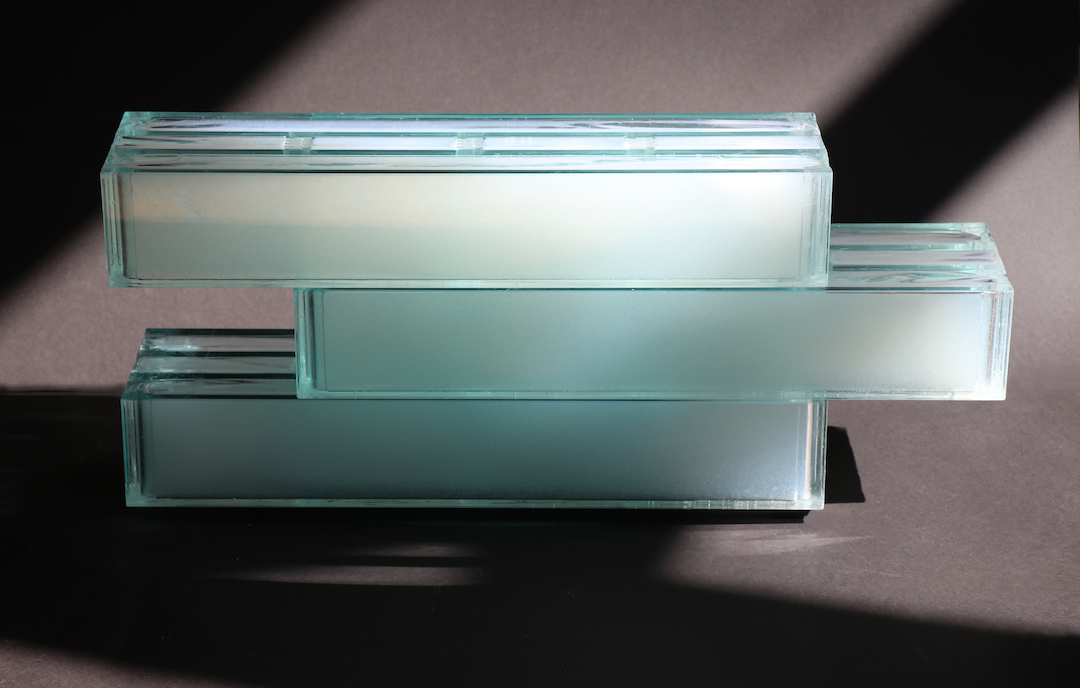
Such an invention could benefit places such as office buildings, apartments, hospitals, greenhouses, and even dormitories. Most of these spaces could better rely on natural daylight to cut bills and promote a better circadian rhythm for their inhabitants.
Though one caveat might be that they are a bit pricier to manufacture, Empa does note that the money saved thanks to the fact that the aerogel bricks can replace windows and will eventually reduce heating and lighting bills might still make them a cost-competitive option to traditional clay versions.
[via New Atlas and Tech Xplore, images via Empa]


