
Scientists Find Ancient Mayan Calendar Was Based Not On One, But All Key Planets
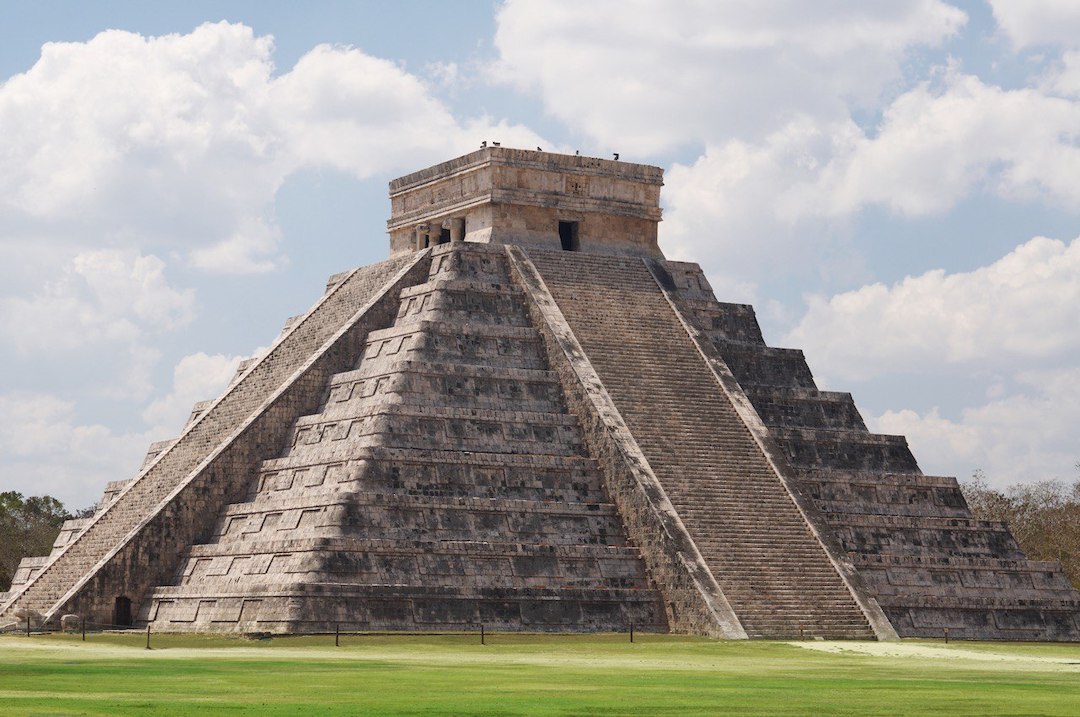
For centuries, humankind has grown accustomed to the 365-day calendar, with the occasional leap day slipped in once every four years. But why did the ancient Mayans run on an 819-day cycle instead?
While this problem has baffled scientists for ages, new research could be the key to the seemingly odd almanac. In a recent study published in Ancient Mesoamerica, two scholars from Tulane University offer a broader view of the puzzle, syncing it to the cycles of not one, but two planets.
It turns out reading the calendar in its four-part, color-directional scheme was too short-sighted. Thus, researchers increased its length to 20 periods of the 819-day pattern instead, revealing a pattern that matches up to the synodic periods of Mercury and Mars.
Synodic periods occur when planets appear to the naked eye to return to the same position in the sky. Scientists quickly identified Mercury as the starting point for decoding the calendar, as its synodic period of 117 days multiplies seven-fold to result in 819 days.
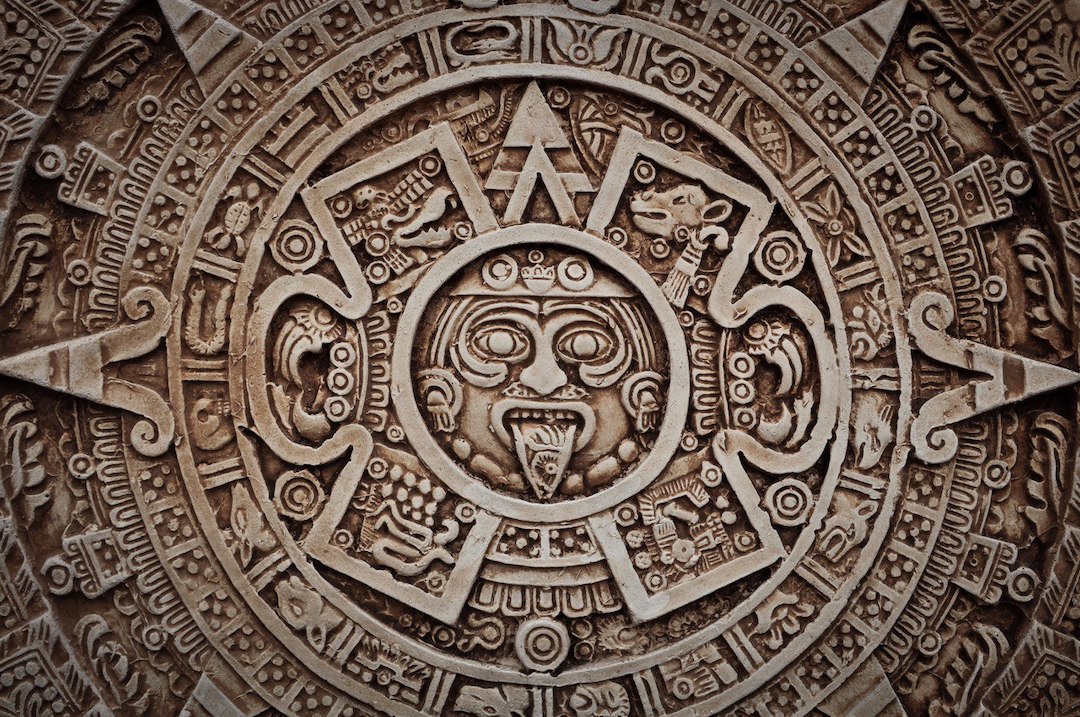
From there, charting 20 cycles of the 819 days allows for every key planet to fit into the mix. Mars, on the other hand, was the key to determining the overall length of the cycle. Within a 780-day synodic period, 21 periods result in 16,380 days—or exactly the aforementioned 20 cycles.
Venus matches five 819-day cycles in seven periods, while Saturn takes 13 periods to fit within six cycles, and Jupiter takes 39 periods to measure up to 19 819-day counts. This allowed Mayan astronomers to predict all of the visible planets’ synodic periods at once.
This impressive deduction shows just how advanced the Mayans were in astronomy and mathematics, as the ancient people chose not to limit their focus to any singular planet, but came up with a system that could fit them all in addition to cycles in the Tzolk’in and Calendar Round.
[via Popular Mechanics and My Modern Met, images via various sources]


