
First Fish Filets To Be Cultivated, 3D Bio-Printed Are Served Up In Israel
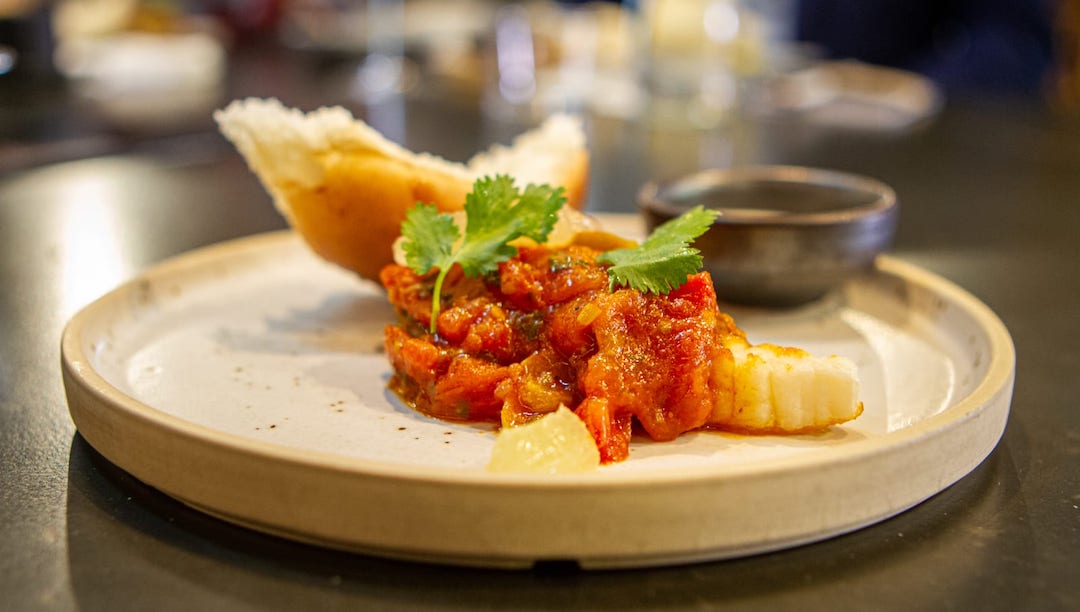
Sustainable food sources have taken off in the last few years, providing people with a different option to the meat industry that’s steadily contributing to climate change. One of the more novel food alternatives (that isn’t an Impossible burger patty) is the notion of cultivating meat in a lab—or 3D-printing it.
In Israel, the first 3D bio-printed fish has just been served by Steakholder Foods.
The process behind 3D bio-printing includes mixing ink and cells and forming layers of natural tissue in a three-dimensional structure. Primarily the technology is used for tissue engineering and drug development. In this case, it’s to put a full slab of grouper right onto your plate. According to Steakholder Foods, this is the first fully cultivated fish meat to be created.
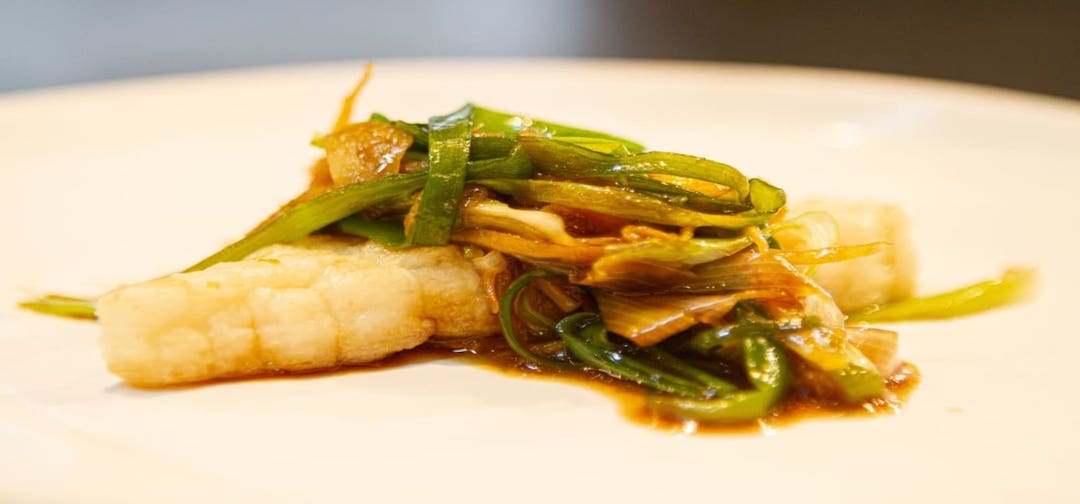
Singaporean company Umami Meats provided the grouper cells, which Steakholder Foods incorporated into a 3D printable bio-ink. Once it was ready, the filet was cooked immediately. Thanks to a “newly developed patent-pending technology,” engineers could even recreate that signature flaky texture fish comes with.
What made this so interesting was its ability to be immediately cooked, as most lab-grown meat needs to be incubated and matured after printing. Umami Meats CEO Mihir Pershad states that the dish tasted “exactly like excellent fish should.”
Guests invited to a tasting event held by stakeholders were treated to Singaporean and Israeli-style meals that used the filets.
According to the company, next on the menu is eel, which might be a little more slippery to grasp.
View this post on Instagram
[via New Atlas and Umami Meats/Food Dive, images via Umami Meats/Food Dive]


