
Lab-Grown Lungs Could Do Away With Animal Testing, Develop Drugs Quicker
Scientists at the University of Sydney have come up with a laboratory-made lung that is a more accurate representation of the human lung than previous models, bringing about the possibility of fast-tracking drug development and reducing the need for animal test subjects.
These 3D structures, grown using human primary cells, are able to mirror real organs found in the body, creating one of the best testing grounds for biomedical treatments. It could even lead to researchers discovering new types of drugs or strategies to combat common diseases.
According to the World Health Organization (WHO), chronic respiratory diseases (CRDs) are the leading causes of death and disability in the Americas, making the lung an even more important area in which medical experts need to focus their attention on.
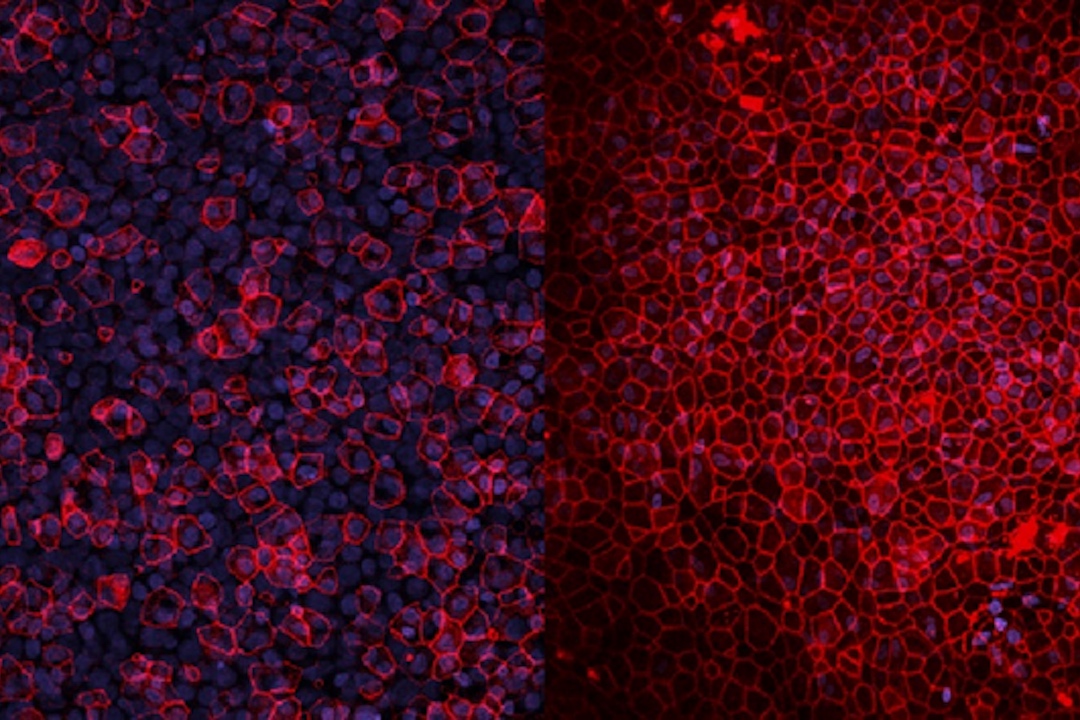
The team built two different versions of a lung, one mimicking a healthy lung to facilitate phase one clinical trials (studying the safety of new drugs), while the other replicates phase two trials in which a diseased lung is treated to study the effectiveness of the drugs in use.
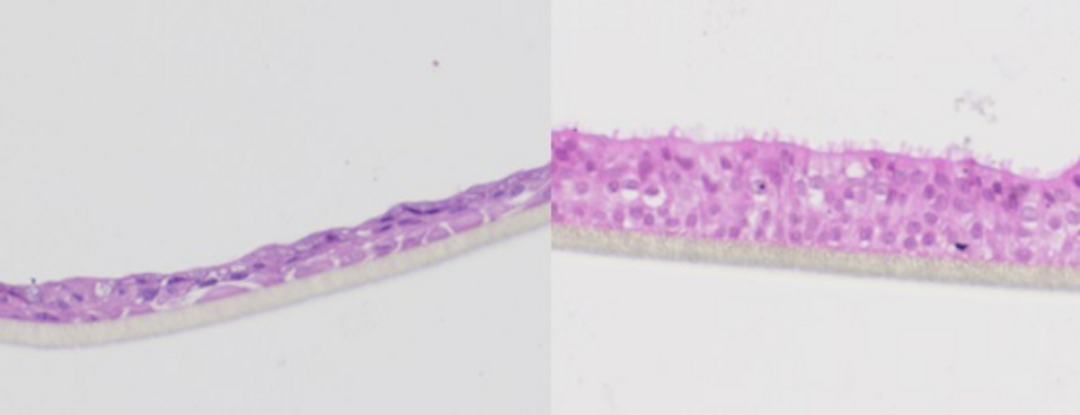
To piece together the organ—quite literally—scientists take cells directly from living patients, before building them layer by layer as they exist within a human body. The first layer comprises epithelial cells, followed by fibroblasts, with the end result “very much like actual human lungs.”
Compared to traditional cell culture, in which cells are placed in Petri dishes and cultivated in static conditions, the lab-grown lung allows the team to recreate a complete environment similar to that which exists within the body for more accurate and comprehensive results.
In addition to trialing new drugs, the mini-lung models can also be used to test for toxicity. For example, they can be exposed to silica dust or air pollutants generated from bush fires, so that the researchers can study their effects on the body in real time.
One of the key highlights of this innovation is that the models enable tests to be reproduced easily, allowing scientists to conduct cost-effective tests at a larger scale. In addition, it provides a viable alternative to animal subjects at a time when the US no longer requires animal testing for new drugs.
“They accelerate the process of discovery, they shorten the process of getting to clinics, but also substantially increase our confidence in the molecules we create before we go into clinical trials,” said senior author Professor Wojciech Chrzanowski.
“The normal timeline for the clinical translation of a drug is about 10 to 15 years, but when you use organoid models, you can shrink that time substantially,” he explained.
[via New Atlas and University of Sydney / EurekAlert, images via various sources]


