
Bionic Eye Film Could Rehabilitate Diseases That Lead To Blindness
Retinis Pigementosa (RP) and dry age-related macular degeneration (AMD) are two types of diseases that cause blindness. As a result, light-sensitive cells in the back of the eye die out, leaving just the optic nerve. Biotechnology company Science Corp is looking to restimulate these nerves give a sense of vision back to those who have lost it.
In a blog post released by the firm, it announced its first flagship product called ‘Science Eye’, which will achieve this “by inserting a gene into the cells of the optic nerve, we can make it possible to stimulate them using a small display inserted into the eye.”
Although, it’s a lot more complicated than it sounds. Science Eye is a high-resolution microLED film that can be placed over the retina that moves with the eye, which allows it to maintain an essential pixel-to-cell mapping as each retinal cell conveys different information streams. Constantly mapping them is imperative in providing more advanced encodings, and allowing the viewers to see more than just light or shapes.
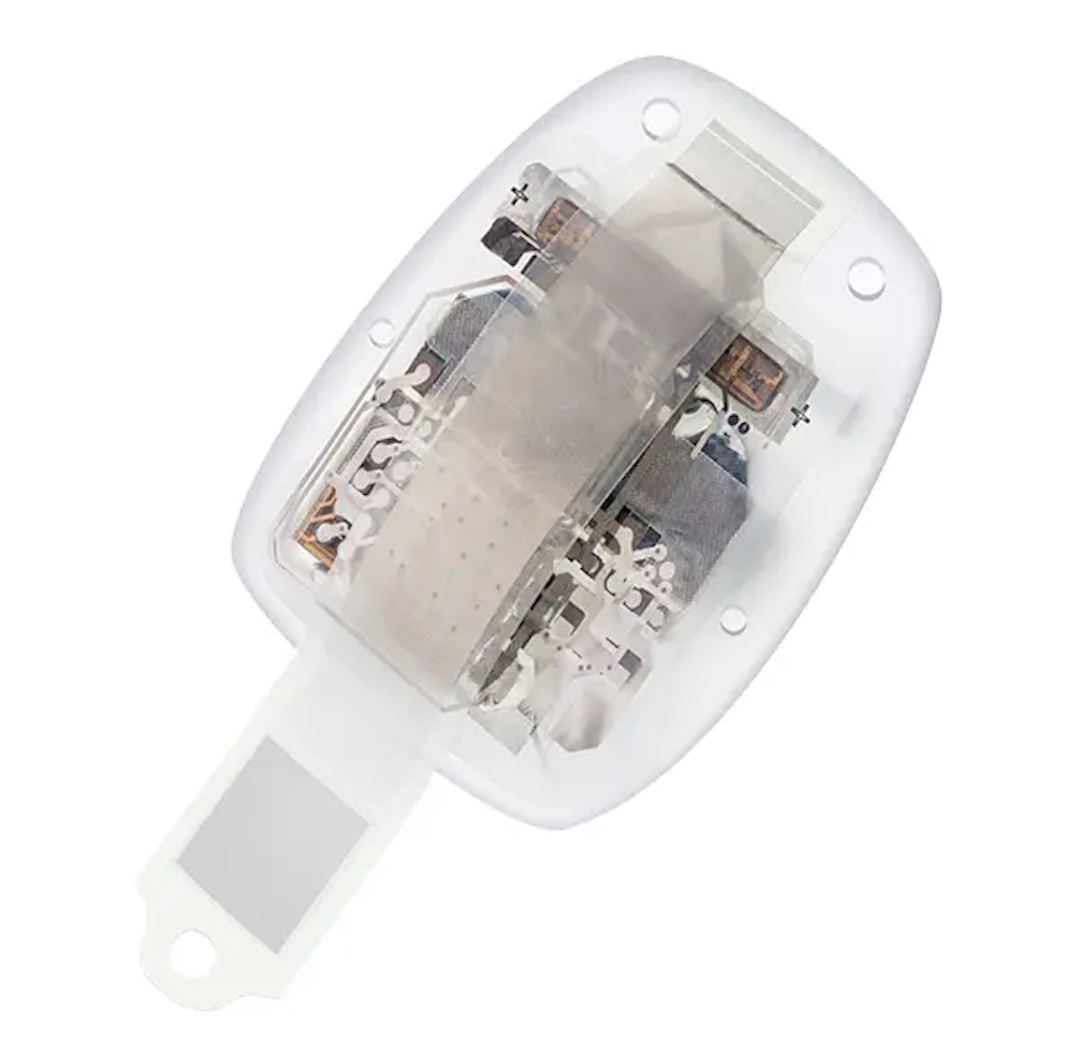
However, making the optic nerve light sensitive again does not entirely restore vision to the level at which it existed pre-disease. Within each eye rests 100 million photoreceptors, and only one million retinal ganglion cells. As a result, signals sent to the optic nerve get heavily compressed along the way relative to the image formed by the photoreceptors. The Science Eye can only stimulate this compressed state in the optic nerve making those who wear the device see things much differently than those who do not experience visual hindrances.
However, Science Corp posits that more improvements can be made as more testing and understanding are brought to the project. The company is still waiting to test on animals before bringing them to human trials. This is to say that it’s still a long way off before patients can experience it for themselves. Nevertheless, it’s still a step in the right direction for those with RP and AMD.
“We are working as quickly as we can and hope that commercialization isn’t too far off, but for now, it is important to emphasize that the Science Eye is not available for purchase and will not be available until we can satisfy both ourselves and regulators that it is safe and effective, which will take time and further development,” says Science Corp.
[via Interesting Engineering and Science Corp, images via various sources]


