
NASA’s Satellite Data Can Now Send Alerts When A Coral Reef Is In Trouble
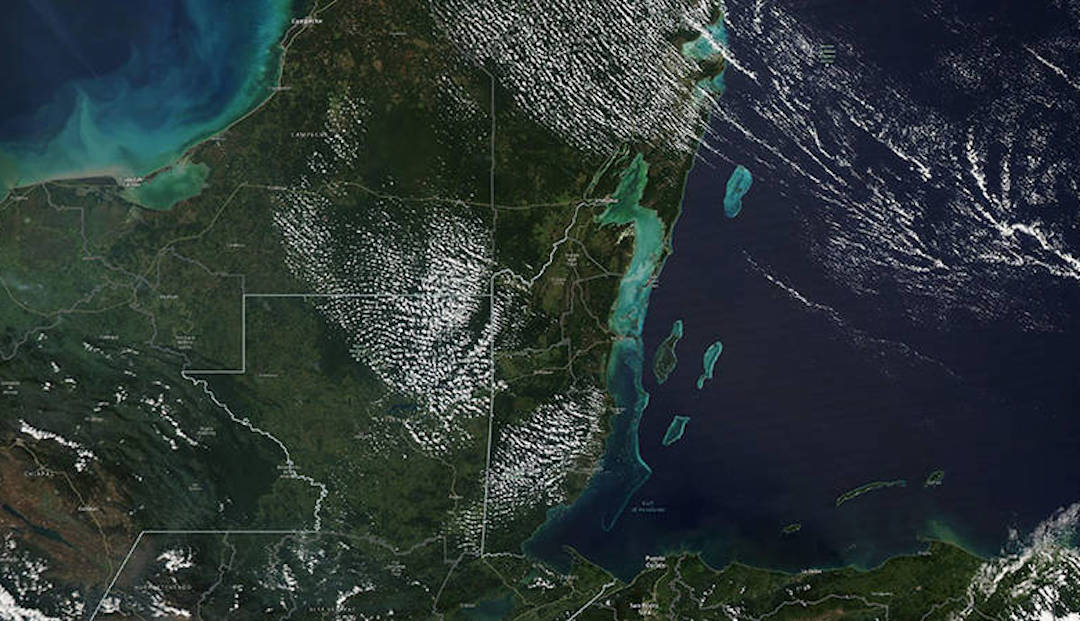
The coral reefs have been suffering for a long time now from the overfishing, pollution, and bleaching humans have inflicted on them. Now, NASA’s satellites are acting like an eye in the sky and aiding the cause by watching the coral reefs deep in the ocean from up in space.
NASA’s Moderate Resolution Imaging Spectroradiometer (MODIS) Aqua satellite has been monitoring the Belize aquatic ecosystem. A team of 11 researchers from the US and Belize have collected data between 2002 and 2022 to determine if climate change affects Belize’s 185-mile-long Belize Barrier Reef. This ecosystem is home to many marine species and is a UNESCO world heritage site.
In the study, published in Frontiers in Remote Sensing, the scientists examined 24 marine protected areas off the Belizian coast. In healthy reefs, the water must be clear and have a consistent temperature to grow. If either of these factors changes, algae will die, and coral will change its color. This phenomenon is known as bleaching.
MODIS stepped in by being able to check the temperature and clarity of the large area. The satellite was first developed by NASA’s Goddard Space Flight Center in Greenbelt, and was launched in 2002. Images and datasets from it are available on Google Earth Engine.
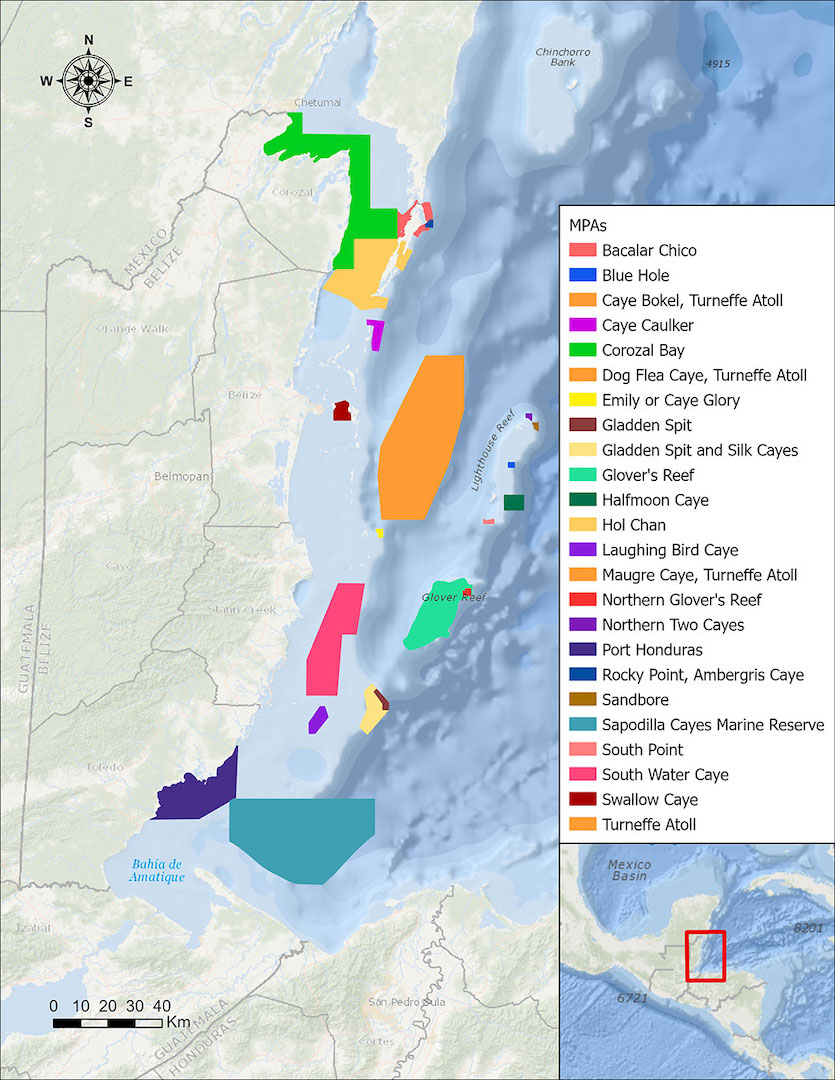
The data collected over the 20 years was turned into a vulnerability index for Belize’s marine environments. First, the team developed a rating of one to six to compare different areas to normal conditions. It is then combined with a coral index ranging from two to 12, which looks at the risk of the ecosystem being in danger.
The index will help aid Belize’s Coastal Zone Management Plan to develop a more sustainable future for the country’s coastal regions. The vulnerability metrics and satellite imagery could also help other reef systems worldwide that are not easily accessible or surveyed.
In other areas, Google is asking for the public to listen in on different coral reef systems, and help train AI machines to pick up on sounds under the ocean so that it can listen out for the state of the ecosystem.
[via Mashable and NASA, images via various sources]


