
IKEA Reworks Its BILLY Bookcase To Adjust To Rising Costs
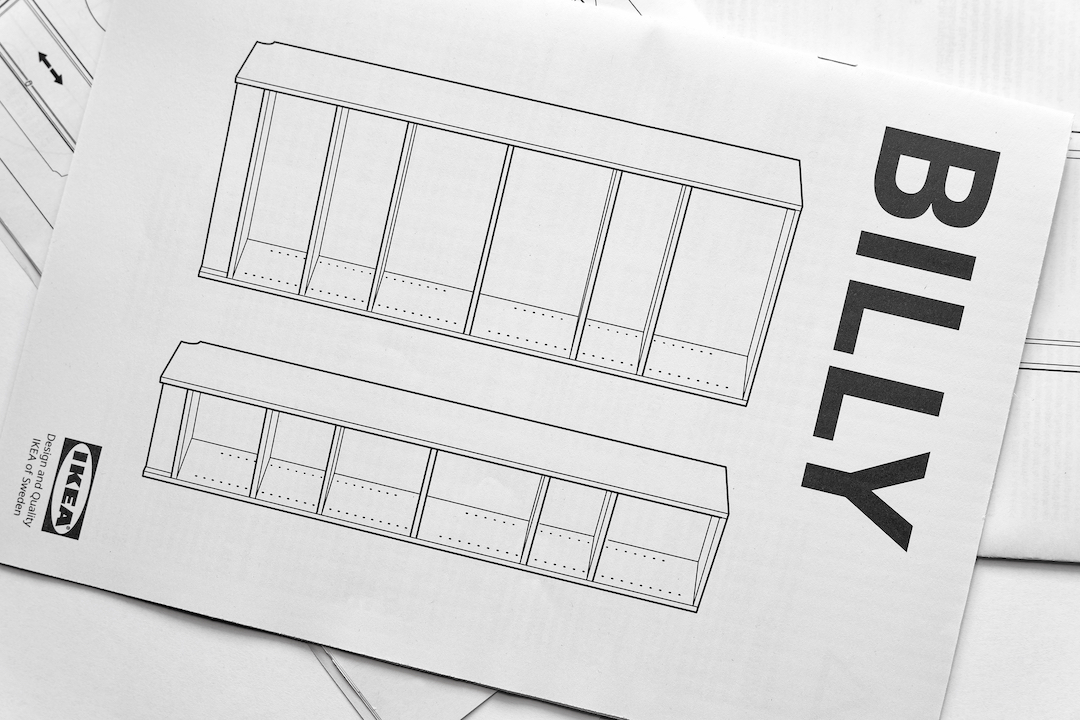
IKEA has always had to rack its brains on how to make its supply chain cost-efficient, but recent price hikes have sent its longstanding strategy into overdrive. To cope with the financial strain, the Swedish furniture giant is forced to rethink how some of its best-selling products are made.
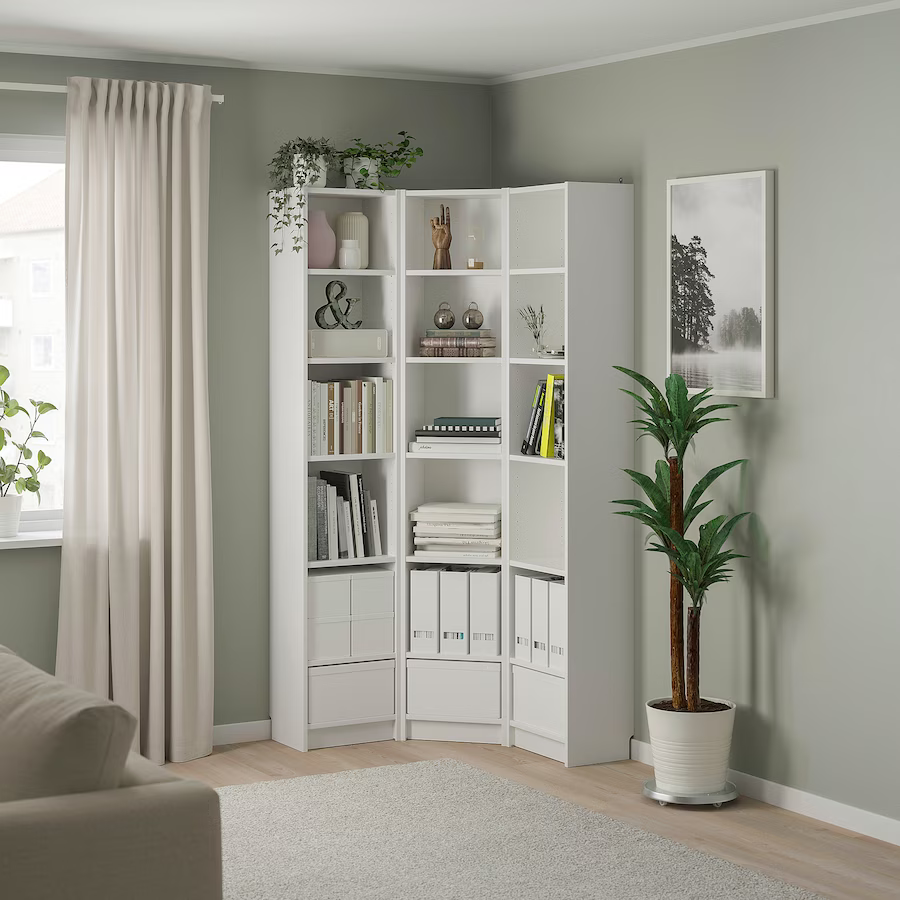
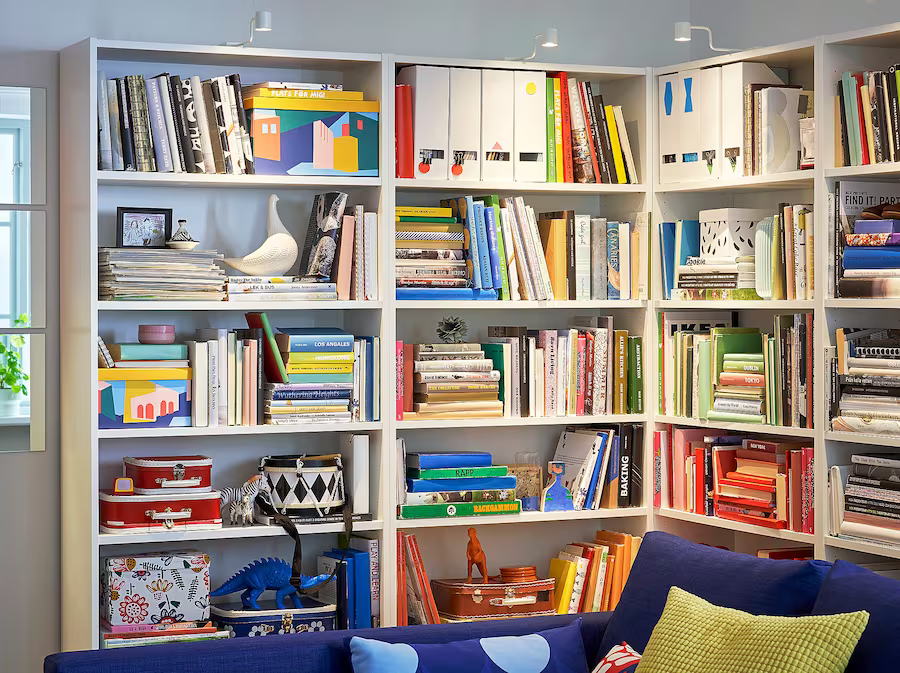
This adjustment will see a lite incarnation of the classic BILLY bookcase, primed to roll out in the US and European markets in early 2024. The ever-popular item, which sells every five seconds, will now be lined with pretty much the same material used in the books that fill it: paper.
As the Wall Street Journal reports, IKEA is de-shelving the usual wood veneer on BILLY units for “paper foil,” which is essentially contact paper with wood-like patterns. Accordingly, the new wrap is cheaper, less wasteful (it doesn’t need heating), and more efficient to apply than veneer, allowing the company to produce the shelves faster than its reported three units per second.
Susanne Waidzunas, global supply manager at Inter IKEA Holding BV, tells the publication that IKEA’s budget is controlled by the customer’s wallets, which are now “smaller than ever.”
The last time IKEA redesigned the BILLY shelf was in 1999, when it discovered that it could substitute the lacquer on the white bookcases with more affordable melamine foil.
Elsewhere, IKEA is also changing up bathroom hooks and other fixtures by using aluminum, in place of zinc, which doubled in price in the aftermath of the Russia-Ukraine conflict. It is also swapping out some of the wood on cabinet doors and drawers with plastic.
The report notes that IKEA has had to straighten the originally curved wooden slats of the NÄMMARÖ garden chair to ensure a flatter pack, as well as use hollow veneer legs—instead of solid wooden ones—for the US$499 RÖNNINGE table.
With packaging, IKEA has had to put its flatpack ethos on steroids, and further squeeze out “fresh air and wasted space” from boxes, Fredrika Inger, IKEA’s global range manager, tells the news outlet.
Naturally, all these savings will likely come at a cost. While IKEA has been carving a message to keep its furniture out of landfills of late, its more fragile products may end up being disposed of even more quickly.
[via Apartment Therapy, Curbed, Wall Street Journal, images via various sources]


