
UNESCO Moves To Protect More Artists From Harassment & Censorship Worldwide
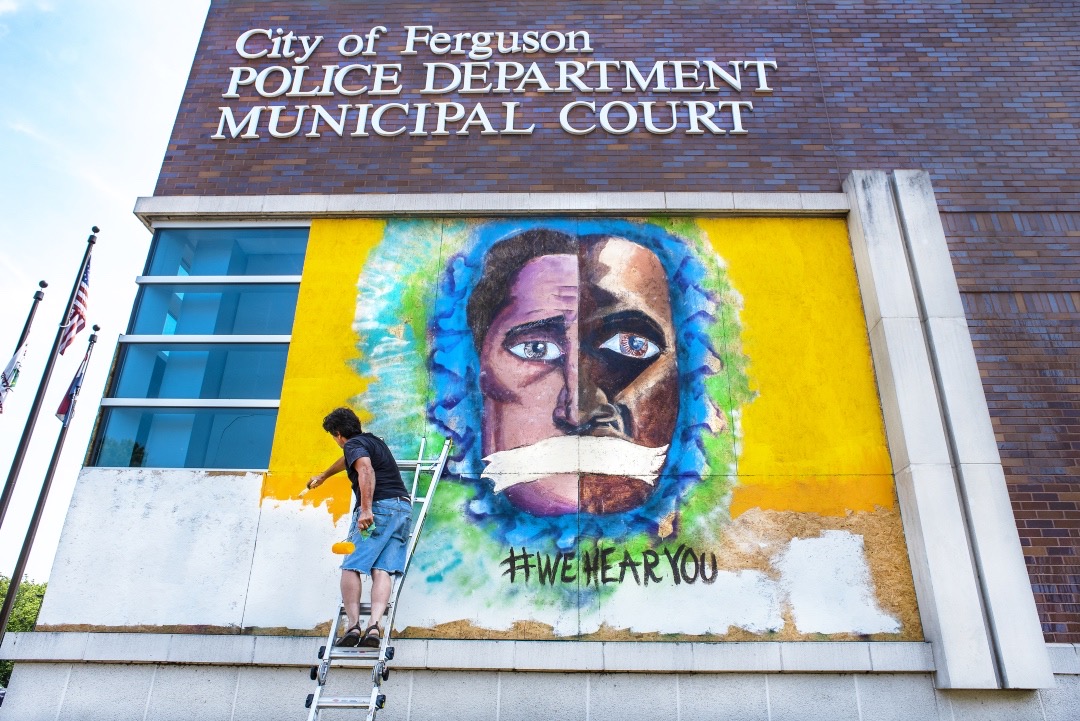
An artist painting a mural in light of George Floyd’s death. Photo 187888690 © Jon Rehg | Dreamstime.com
Art is a vibrant way to respond to pressing issues of the world. Unfortunately, the person wielding the brush often gets punished for playing messenger. UNESCO is now defending creatives who have been courageous enough to share their causes, and it hopes governments around the world can do the same and offer them the same safety nets granted to journalists.
Journalists paint with words, while artists spread their messages more visually. No matter the medium, both are crucified for exercising their right to freedom of expression during times of urgency, like war and the pandemic, says UNESCO. The difference is that artists are “not considered a priority group in international law,” and that “their role in society receives less recognition, and the support they can access is more limited,” the organization shares in a new report.
Journalists are also more likely to recognize the options they can turn to if their work lands them in danger, as opposed to artists, who often remain “in the dark” about plausible solutions, according to a study by UNESCO.
Although expression is part of an artist’s livelihood, the outcome of running with it can be deadly. UNESCO found that in 2021, there were more than 1,200 violations against artists around the world, with 39 resulting in death. “Now is the time to tackle this topic, with the same determination that the international community has shown for the protection of journalists,” prompts Audrey Azoulay, the director-general of UNESCO.
On UNESCO’s part, it is pledging US$1 million to fund projects supporting artistic freedom in more than 25 countries.
The nonprofit elaborates that reported attacks on artists include online and offline harassment, silencing, loss of income, violence, and legal prosecution for “hate speech” and violating traditional values. Out of fear of persecution, artists may resultantly be forced into “self-censorship and curb democratic debate.”
While the group has been protecting artists in conflict-ridden countries like Afghanistan, Iraq, Ukraine, and Yemen, it is motivated to go further. UNESCO says it has been monitoring the punishments and killings of journalists over the past decade, and that it has used its learnings to develop guidelines for the protection of press members at risk. It believes the same best practices can be applied on artists.
It also calls upon international organizations to join forces and safeguard both journalists and artists in emergency contexts, give them the necessary legal protections, and help preserve creative works in vulnerable cultural spaces.
[via The Art Newspaper and Apollo Magazine, cover photo 187888690 © Jon Rehg | Dreamstime.com]


