Jenga-Like Apartments Take In The Best Of Country & City Living All In One Place

Living in a bustling city often means giving up the sights, sounds, and comfort of rural life. But what if a home could provide the best of both worlds? That’s what architecture studio MVRDV plans to offer with its latest project.
Dubbed Ziel, the building will be constructed in collaboration with fellow architect Monoblock and situated in Montevideo, Uruguay. The 111-foot block will only span 15 stories, which will house 40 apartments crafted from four different types of stone.

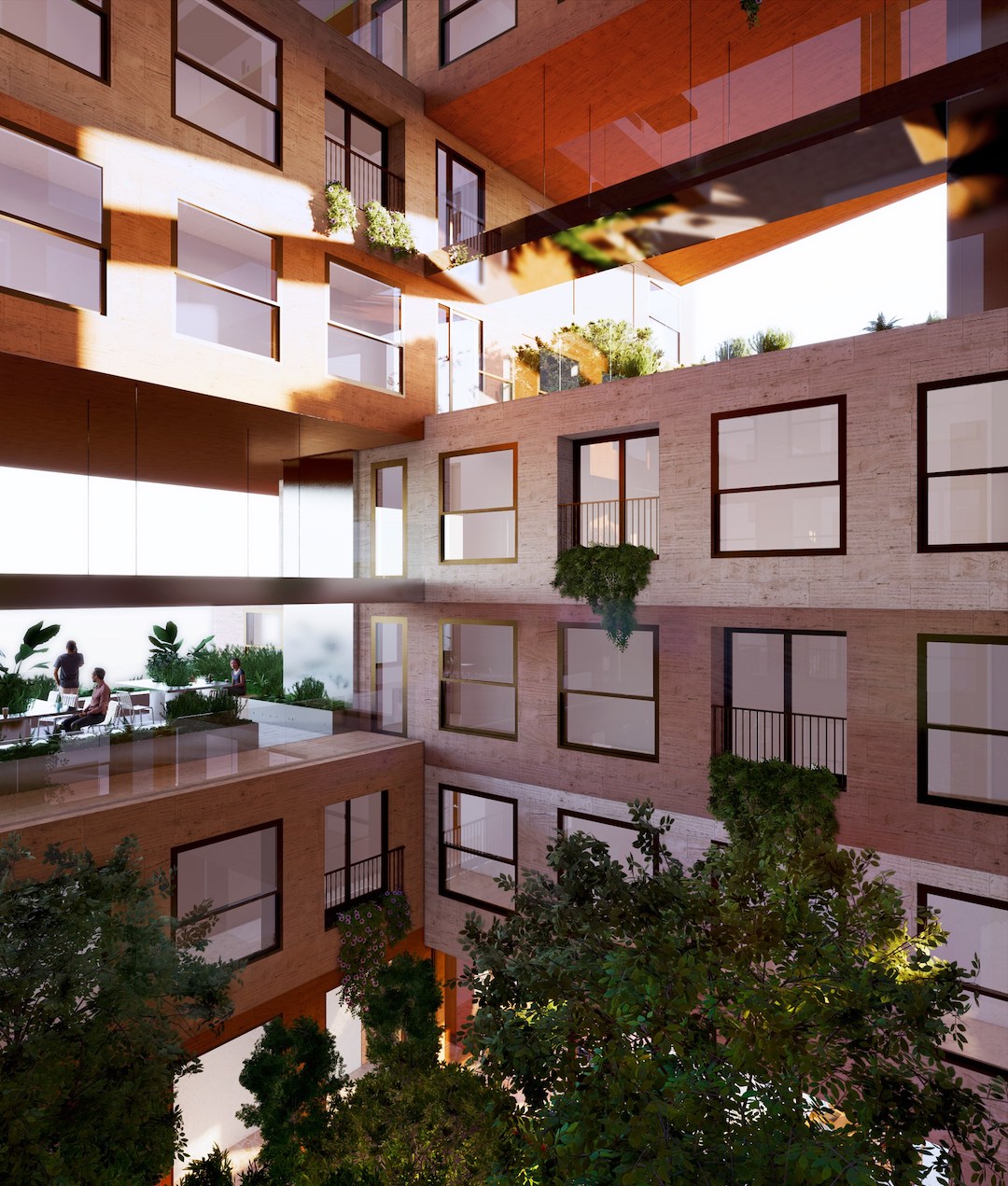
The designers selected warm, earthy tones that blend together to form a harmonious palette, with the differing stone finishes allowing each apartment to hold its own as an “independent entity,” while bronze window frames tie all of the homes together.
According to the firm, this Jenga-like façade, comprising a loosely-stacked series of individual homes allows for natural light and cool air to permeate the entire building—creating open, green spaces reminiscent of the landscapes out in the countryside.
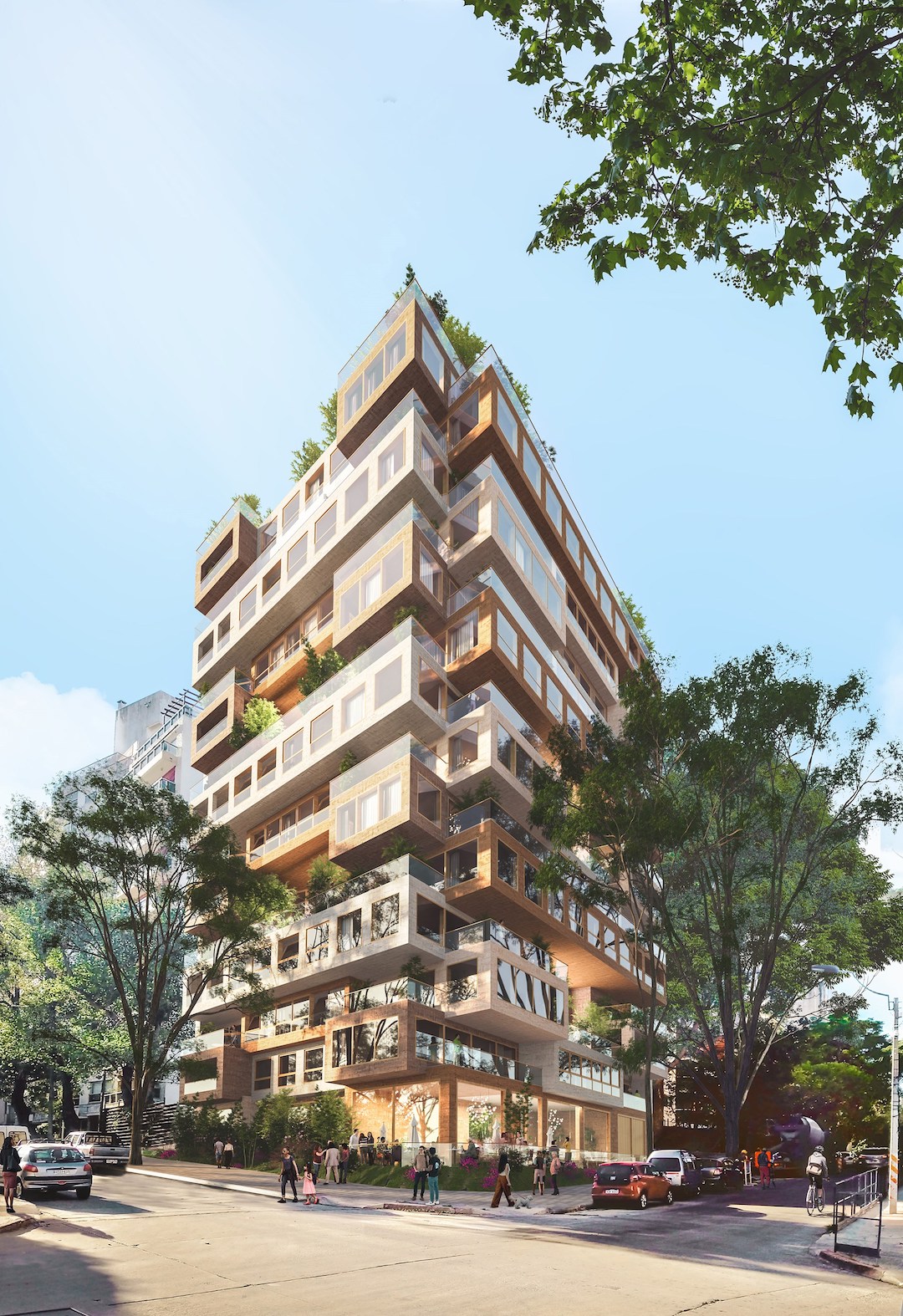
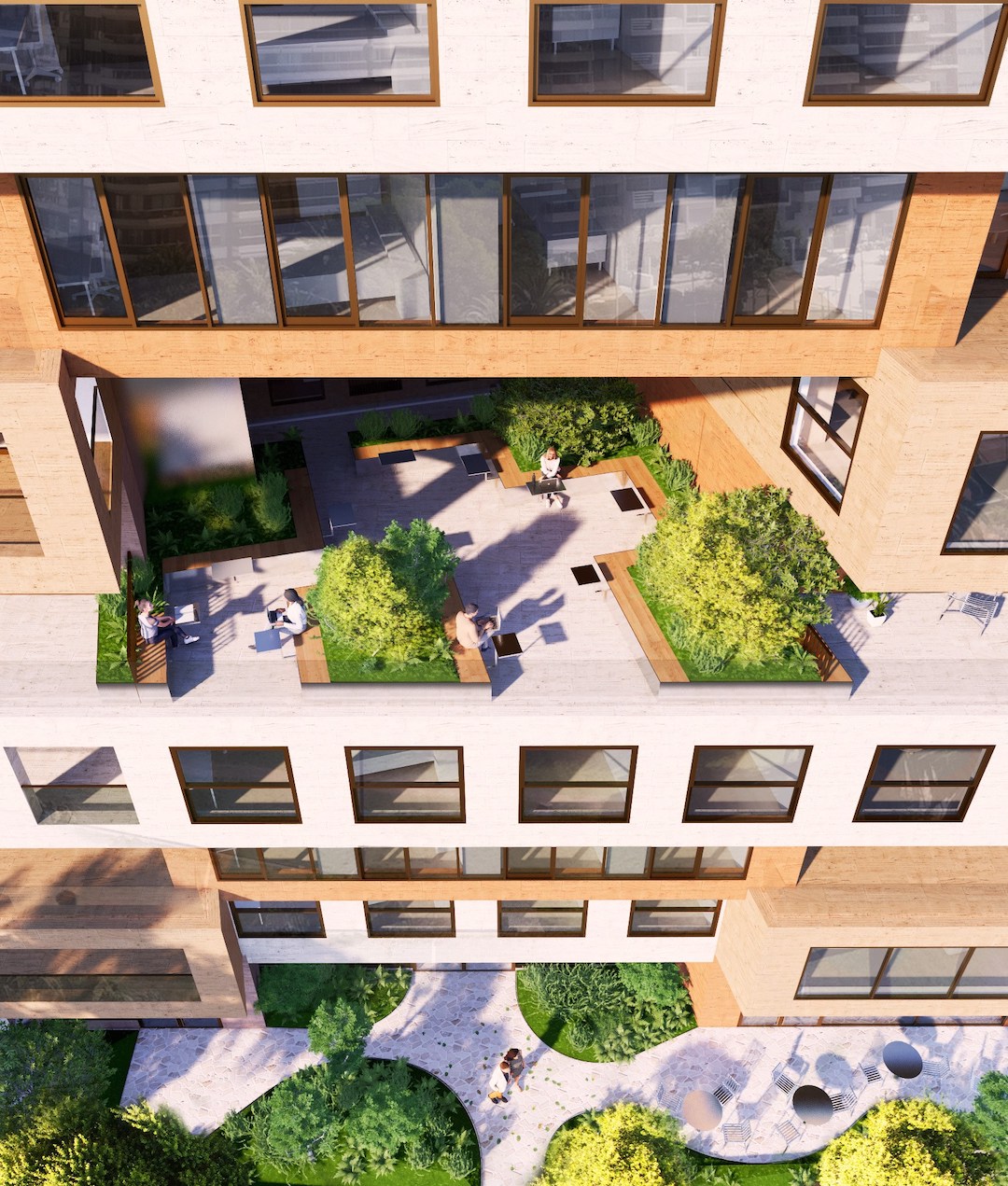
These “country villas” in the midst of a dense city will each feature one of 10 unique layouts with its own generous balcony, otherwise known as a loggia. Residents will share patios on several stories of the site, including a two-story open space linking the street and the courtyard.
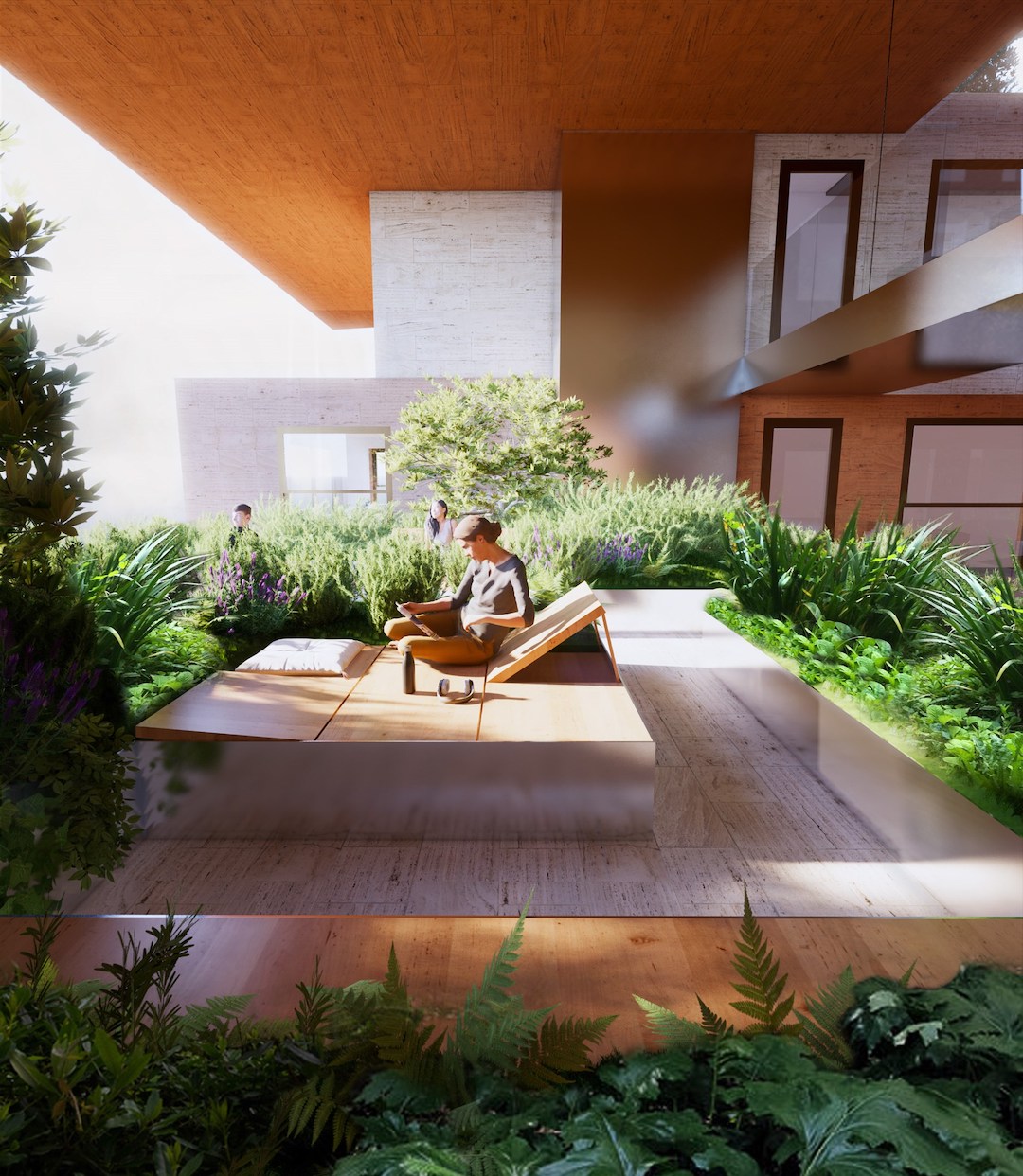
The patios, filled with lush greenery, will bring light to the courtyard and add a picturesque view for residents in the inner apartments who get a view of the space and pedestrians who walk past the eye-catching building.
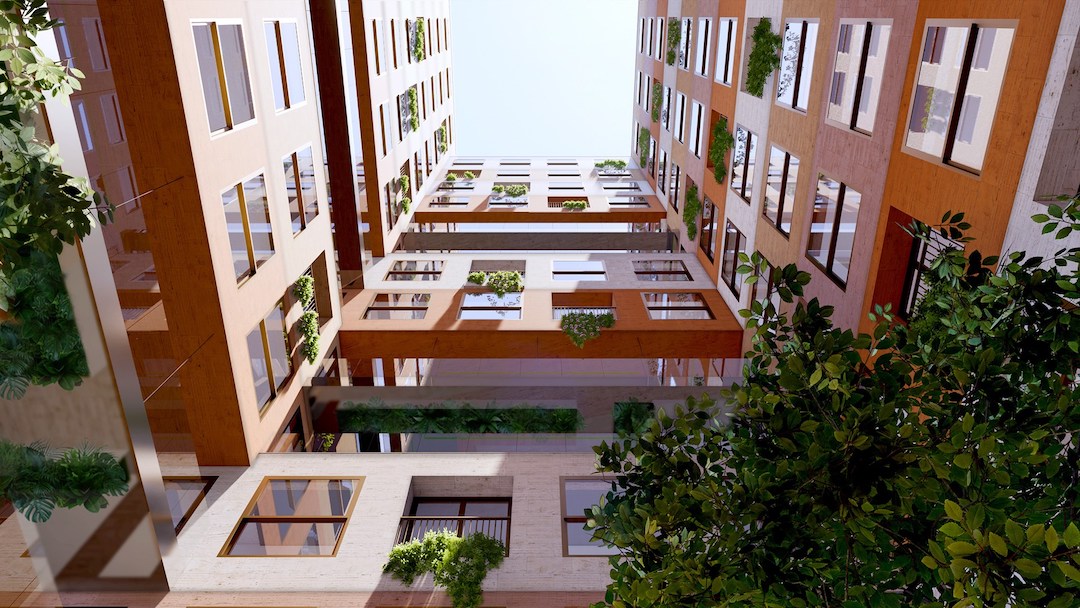
Each of these “sky gardens” will share a consistent theme, but each will have its unique aesthetic, allowing owners to explore different kinds of activities outdoors while enjoying unobstructed views of the ocean to the East.
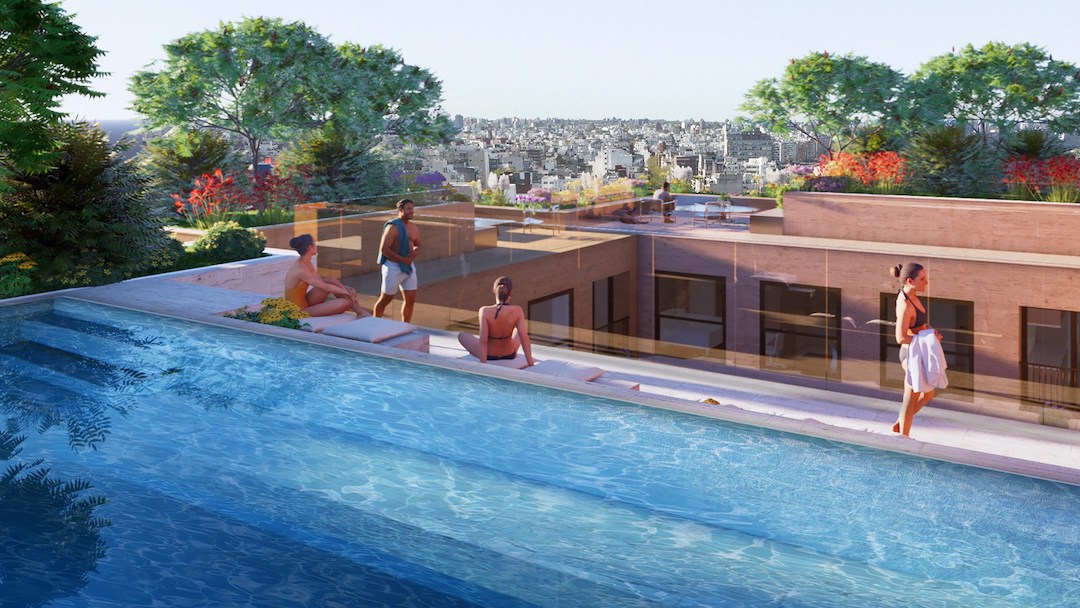
Of course, amenities are aplenty at Ziel, including a lounge, rooftop dining room, swimming pool, gym, and spa. A restaurant will feature on the ground floor of the building to add the vibrancy of the neighborhood.
In terms of sustainability, the greenery prominently featured throughout the site will add to the biodiversity of the district, while the likes of a water capture and retention system will help reduce the site’s environmental impact.