
UK Welcomes Its First Baby Born From Three Biological Parents
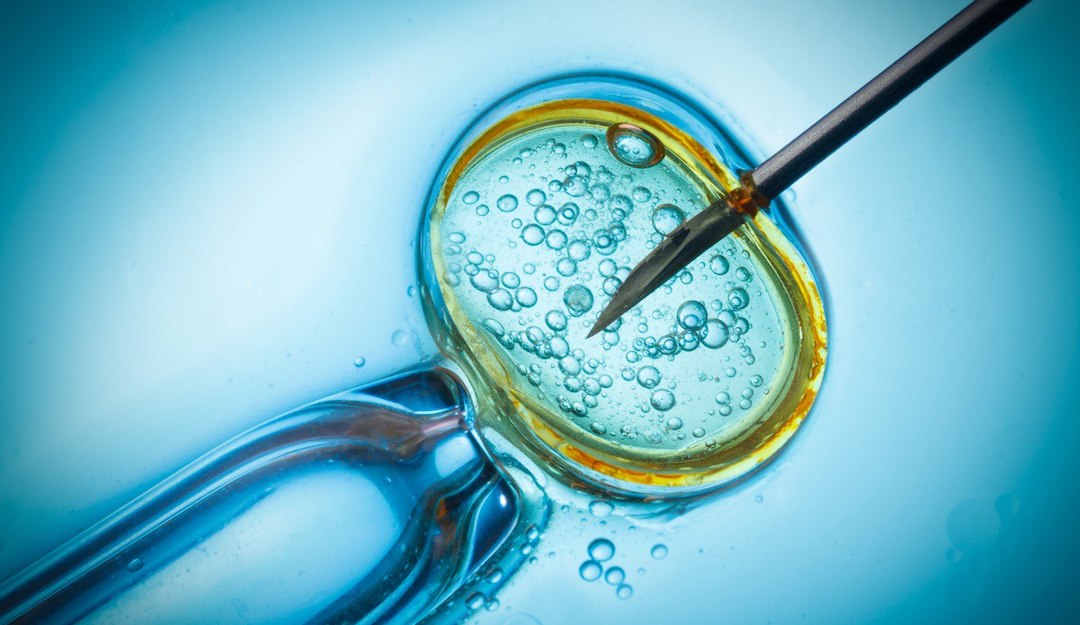
In the UK, three people stand to be the biological parents of one baby, a first for the country. The in vitro fertilization (IVF) technique prevented the fetus from developing debilitating disorders by having an extra parent’s DNA combat mitochondrial mutations.
Mutations such as these make up rare diseases passed down from a parent to a child, usually from the mother’s side. The diseases affect mitochondrial functions in a baby, halting cells from creating enough energy for the body to function. Unfortunately, it often turns fatal for newborns.
The IVF technique takes tissue from a healthy female donor’s eggs to create IVF embryos free from such mutations the mother might carry. This is known as mitochondrial donation treatment (MDT).
In order to produce a healthy fertilized embryo, the biological parents’ sperm and egg are infused with mitochondria from the donor’s egg. Ultimately, the DNA will then be made up of the mother, father, and about 37 genes from the donor. Although three different sets of DNA can be found, around 99.8% belong to the mother and father.
The process is not without risk. Research conducted around the procedure has found that in some cases, the tiny amount of abnormal mitochondria from the mother’s egg can still multiply in the baby in the womb.
This is not the first instance, as there have been approximately five other births worldwide using similar methods since 2016. Information regarding these families has been kept confidential to protect them from external scrutiny. However, it is known that the first birth occurred within a Jordanian family residing in the US. The mother had mitochondrial mutations that resulted in Leigh syndrome, a fatal condition. Prior to undergoing MDT to conceive this baby, she experienced four miscarriages and loss two children, one at the age of six years old and the other at eight months.
According to The Guardian, Peter Thompson, chief executive at the Human Fertilisation and Embryology Authority, said the procedure is still in its early days and undergoing clinical review and new developments.
[via The Guardian and Interesting Engineering, Photo 184368216 © Nevodka | Dreamstime.com]


