
First Genetically-Modified Banana Could Save The Main Species From Extinction
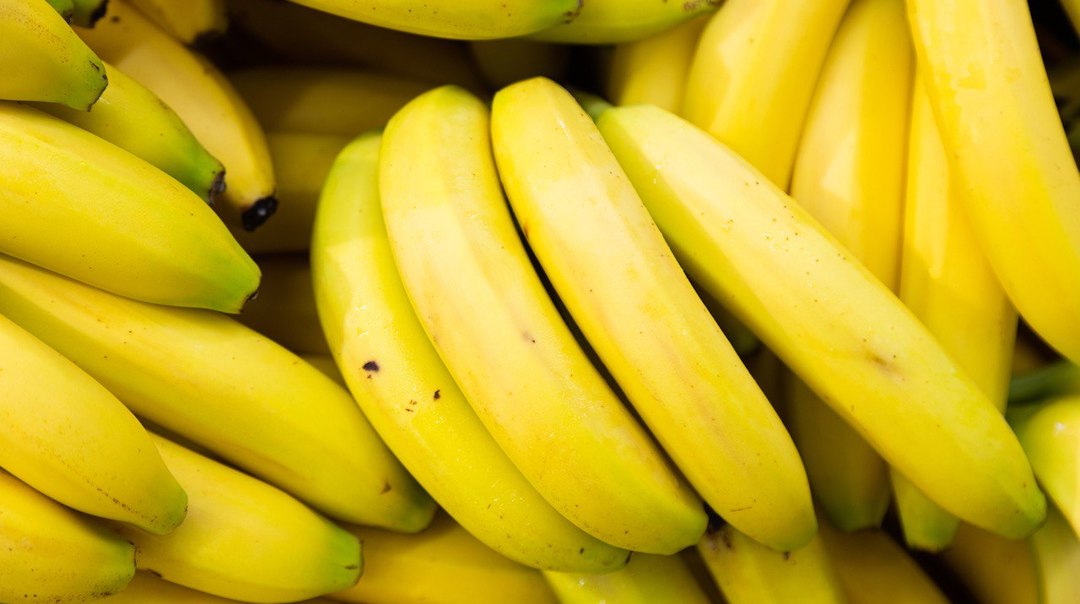
50 years ago, the dominant banana species, Gros Michel, faced its demise as a fungal disease spread through and wiped it out. Unfortunately, a relapse of the banana catastrophe is on the horizon as the Fusarium oxysporum f.sp. cubense (Foc) strain is threatening the Cavendish variety of extinction.
Currently, more than 1,000 species of bananas exist. However, the US$20 billion Cavendish industry makes up for half of all types being cultivated and runs almost 100% of international trade.
The fungus, essentially a tropical race 4 strain (TR4), was first detected in Southeast Asia but has since made its way to Colombia and Peru, where many of the plantations are. This specific type is susceptible to the disease because it does not sexually reproduce among itself to promote genetic diversity. It is, instead, bred, which means that clones of the fruit are being produced. This limits the genetic makeup and opens the species up for a wipeout such as the Gros Michel endured.
The fusarium seeps into the roots, and finds a home in the xylem vessel, transporting water and other nutrients. When the fungus mixes in with this, the plant begins to wilt and die. Moreover, once it enters the soil, no pesticide can exterminate it.
A team from the Queensland University of Technology (QUT) has spent the last two decades developing a transgenic version of the bananas to withstand this type of TR4 strain. Over the past six years, they have been growing these enhanced species in the Northern Territory of Australia, and their efforts have bore some genetically-modified fruits.
The study on the new variety called QCAV-4 was first published in the Nature Communications journal, and has just been submitted to the Food Standards Australia New Zealand (FSANZ) for review and approval. The process will span nine months and dive into the fruit’s molecular, chemical, and nutritional composition. If approved, it will be the country’s first modified fruit and the world’s first GM Cavendish banana.
The video below from QUT further explains the process.
[via New Atlas and The Guardian, Photo 161464012 © Traimak Ivan | Dreamstime.com]


