
TikTok Debuts Bespoke Typeface, ‘TikTok Sans’, To Enhance Expression ‘For You’
Photo 191621879 © Rafael Henrique | Dreamstime.com
A new star has taken over For You pages, and it’s naturally getting a bit of attention. It’s a new brand typeface that TikTok has rolled out across devices and other touchpoints globally.
The social network’s bespoke font, ‘TikTok Sans’, replaces the Proxima Nova typeface that’s been in use by the platform for years. Designed by renowned type foundry Grilli Type, the typographic overhaul is envisioned to better support the need for creative expression.
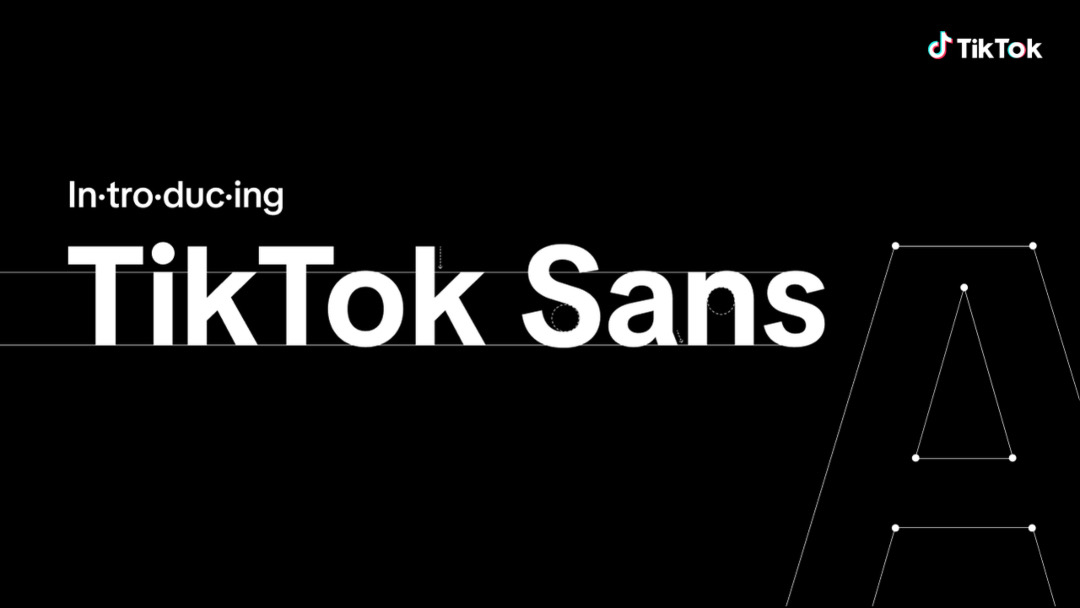
Image via TikTok
TikTok believes that the tailored typeface with enhanced readability reflects its diverse community of “creators, visionaries, and storytellers.” TikTok Sans also “complements the personality of our platform—from our roots in entertainment to inclusivity and self-expression,” the social media app describes.

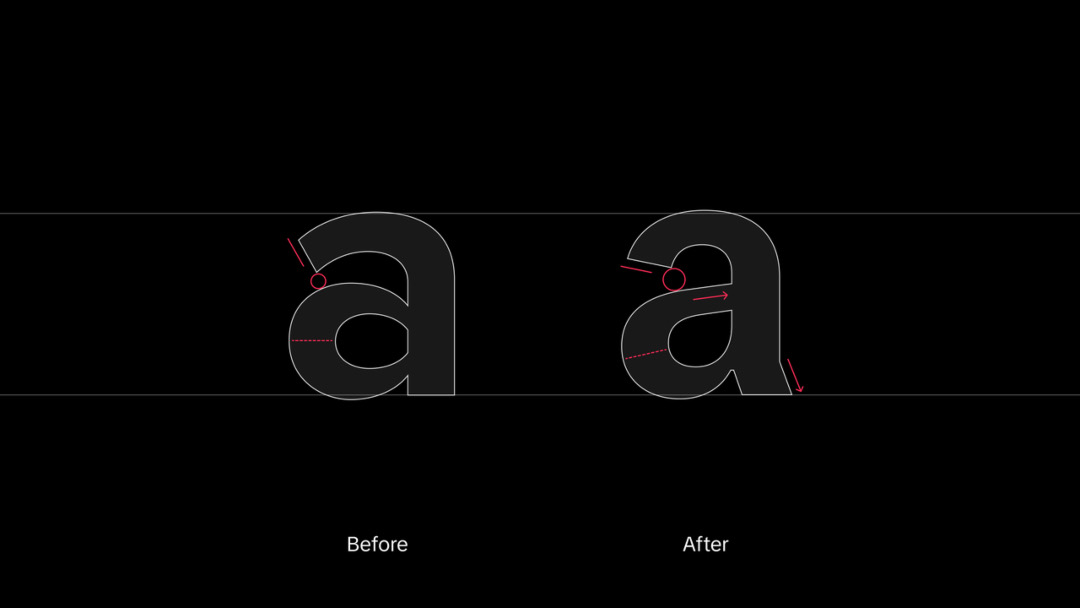
TikTok Sans sports larger counters (openings) and clearer strokes. The typeface is “visually larger” with a taller line height, making it easier for users to distinguish between characters on the smallish font while boosting reading retention.
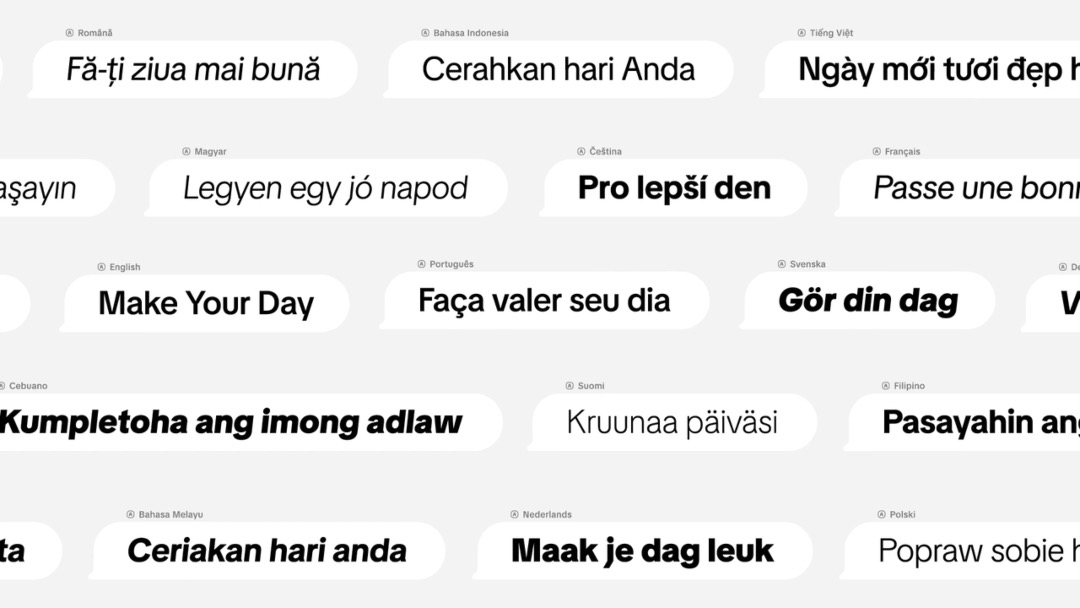
Meanwhile, distinct and simpler shapes keep the typeface consistent and recognizable across languages.
“These subtle changes significantly improve readability for users and bring more rhythm to the platform experience,” explains TikTok.
Countering the replicability of Proxima Sans, TikTok Sans is built in with anti-spoofing features to prevent the account impersonation problem that plagued Twitter. These include stylistic contrasts like a stroke in the zero to differentiate it from a capital ‘O’, and a curved terminal on the small ‘L’ to set it apart from an uppercase ‘i’.
Image via TikTok
Redesigned numbers have equal-width alternatives to align neatly “in scenarios like pricing tables or rapidly changing LIVE reaction counts,” says the company.
To accommodate its international user base, TikTok has brought multi-language support to the font, with compatibility for English, French, German, Indonesian, Italian, Portuguese, Spanish, Turkish, and Vietnamese, and more to come.
The response for the update so far, at least on Twitter, seems overwhelmingly unfavorable, but this is common whenever a brand introduces a UI/UX change. The last time something like this happened was when the platform ditched its robotic voice-overs, and all contempt appears to have dissipated since then.
@tiktoknewsroom Introducing TikTok Sans 🎉 Let your creativity and authentic moments shine with our new bespoke typeface ✨
♬ original sound - TikTok Newsroom
[via Mashable, Innovation Village, TikTok, images via various sources]


