
Scientists Transform Water, Sunlight Into Eco-Friendly Replacement Fuel For Cars
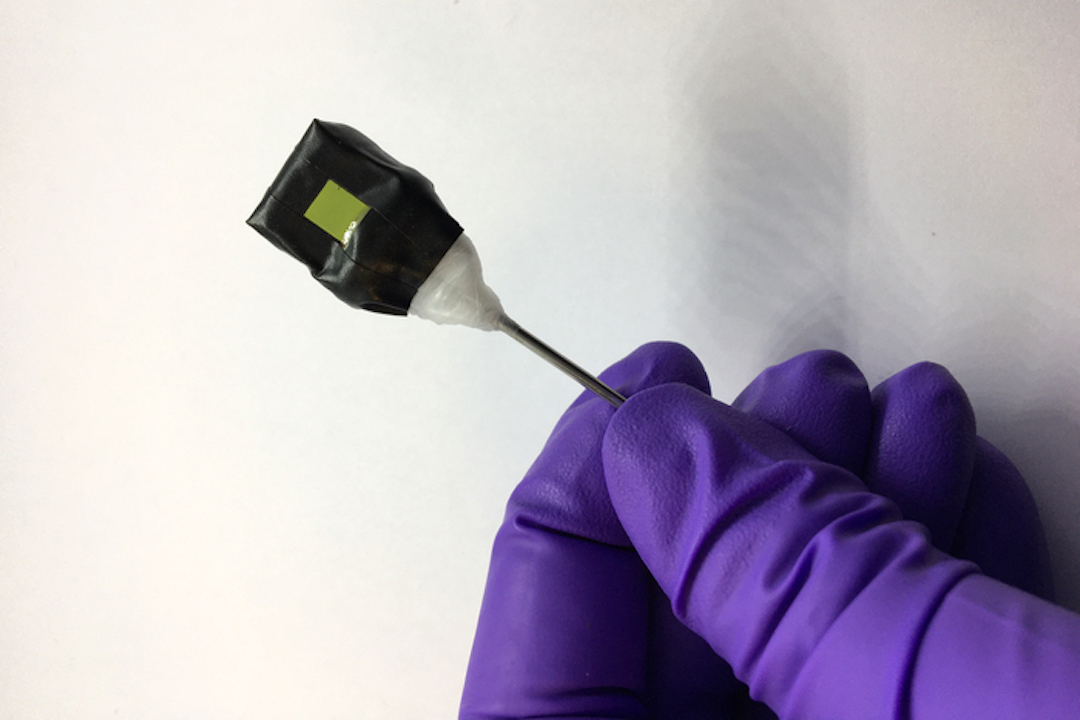
In an astonishing breakthrough, scientists at Cambridge University have successfully replicated the process of photosynthesis in plants—coming up with a process that can transform the surrounding air into eco-friendly fuel.
The best part? This fuel can be used as a direct replacement for existing vehicles on the road. While electric vehicles are steadily gaining popularity, those still driving cars with internal combustion engines (ICE) could use this non-polluting solution as a more sustainable fuel.
According to the researchers, the innovative solar-powered technology mimics the fundamental plant process by converting carbon dioxide, water, and sunlight into ethanol and propanol in just a single step.
As Interesting Engineering noted, ethanol has been long touted as a potential replacement for fossil fuels, but due to the acres of agricultural land that would need to be given up to produce the biofuel through crops, it isn’t the most efficient answer to the problem.
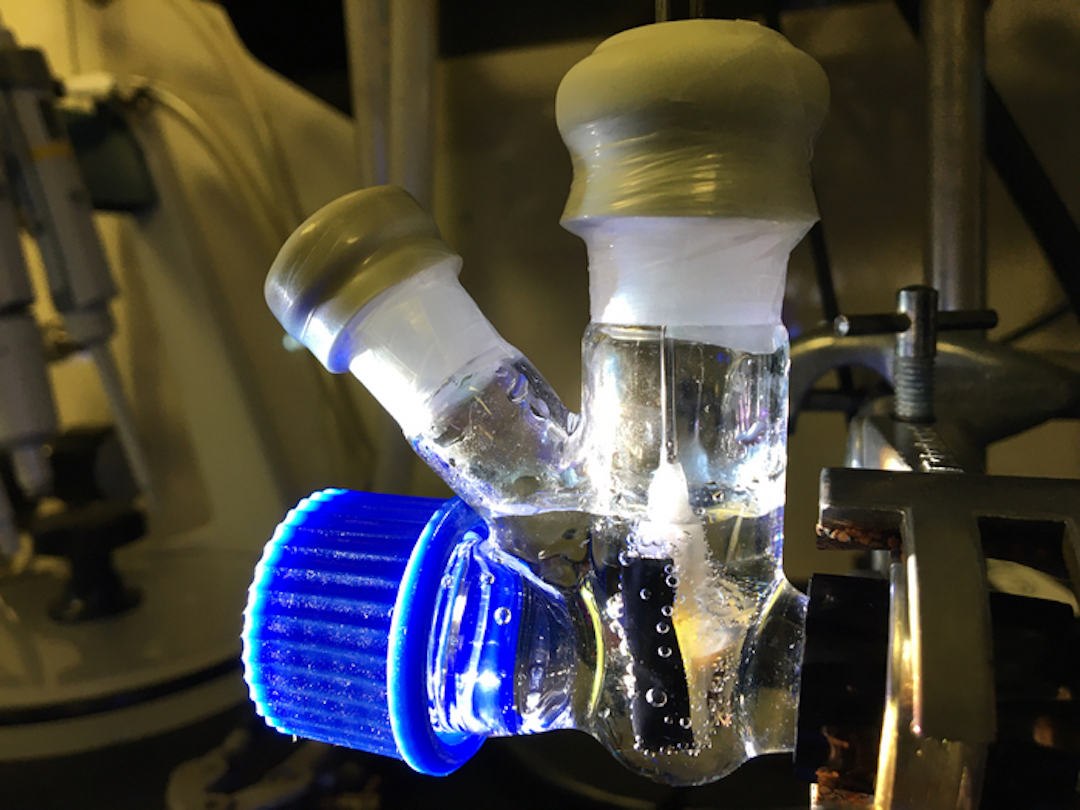
However, with the fake leaves able to convert the simplest of components in the air directly into usable chemicals, these biofuels could now be scaled up in a way that could have practical applications.
By adding a catalyst made out of copper and palladium, the artificial leaves were able to produce more complex compounds—including ethanol and propanol—that aren’t only viable options as a replacement fuel, but are high-density liquids that can be stored and transported easily.
At the moment, the innovation is still in its proof of concept stage as the researchers work to optimize the light absorbers and catalysts on the leaves to generate even more fuel at once.
“Even though there’s still work to be done, we’ve shown what these artificial leaves are capable of doing. It’s important to show that we can go beyond the simplest molecules and make things that are directly useful as we transition away from fossil fuels,” said Professor Erwin Reisner.
[via Interesting Engineering and University of Cambridge / EurekAlert, images via Motiar Rahaman / EurekAlert]


