
‘Sweaty’ Robot That Breathes, Shivers, And Walks Helps Test Extreme Temperatures
For researchers looking into how the human body withstands extreme temperatures, it’s often not possible for tests to be conducted on a willing subject. After all, some of these experiments could prove fatal for the average person.
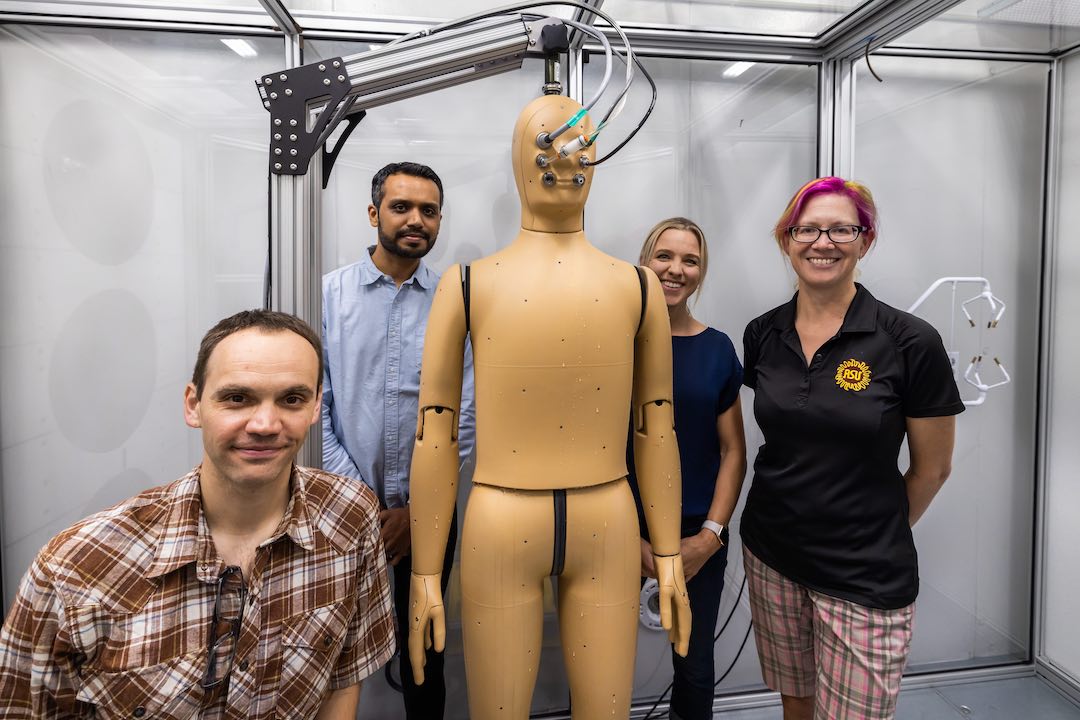
Enter ‘ANDI’, said to be the world’s first robot that breathes, sweats, shivers, and walks. Created for Arizona State University (ASU), the indoor-outdoor machine was custom-built by thermal technology firm Thermatrics to help scientists delve deeper into the effects of extreme heat on the body.
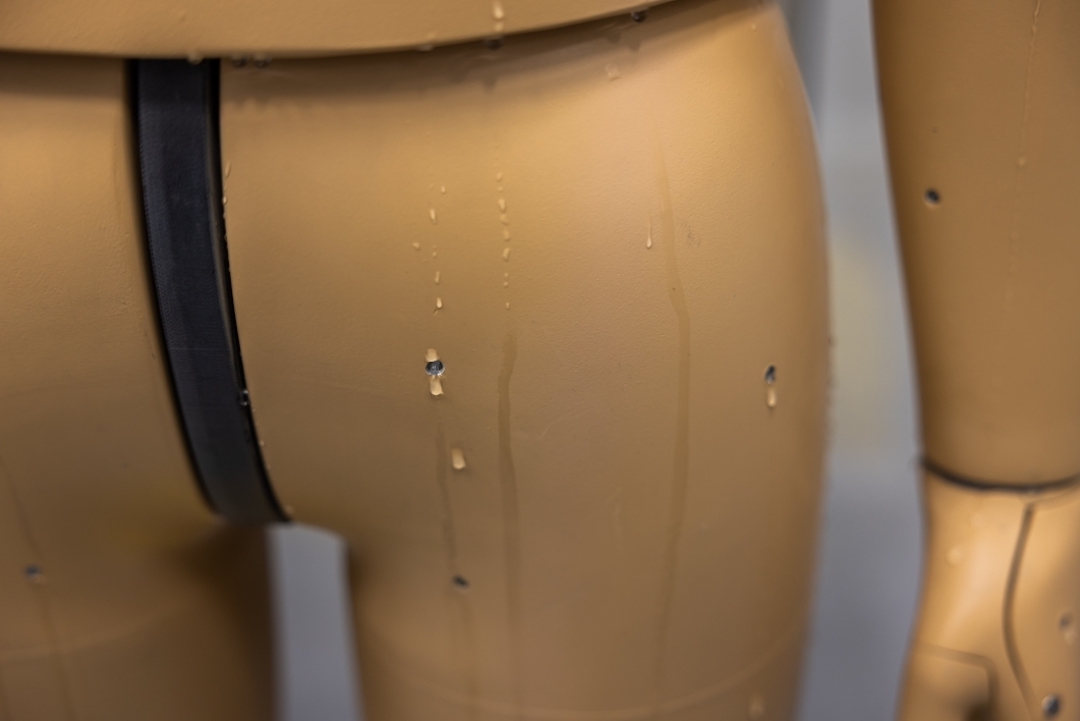
For this purpose, the android is able to mimic the thermal functions of the human body through its 35 separate surface areas, each of which is fitted with temperature sensors, heat flux sensors, and the key component of this innovation: sweat pores.
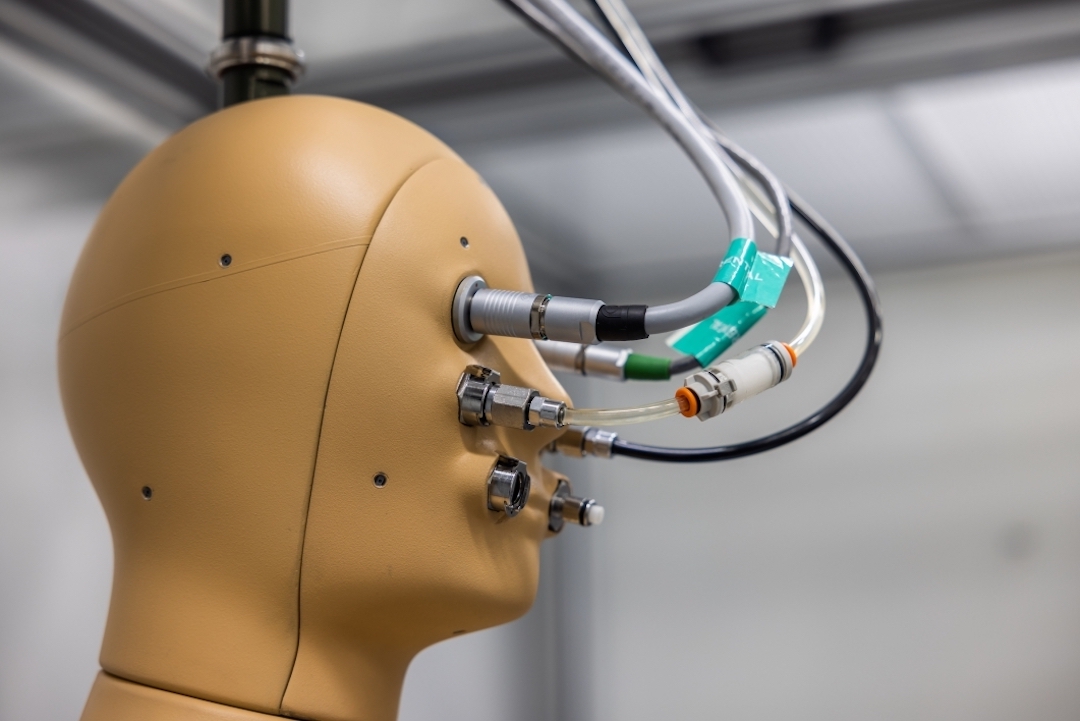
“ANDI sweats; he generates heat, shivers, walks, and breathes. There’s a lot of great work out there for extreme heat, but there’s also a lot missing,” remarked Konrad Rykaczewski, Associate Professor in the School for Engineering of Matter, Transport, and Energy.
It’s no secret that in the coming decades, every state in the United States is likely to experience higher average temperatures and more intense heat waves. Unfortunately, this could add to the thousands of people who die from heat-related illnesses annually.
In fact, in Maricopa County alone, there were 425 reported heat-related fatalities in 2022, a startling 25% increase from the year prior. With Canadian wildfires engulfing regions of the nation in orange smoke, it may only be time before such disasters become more common.
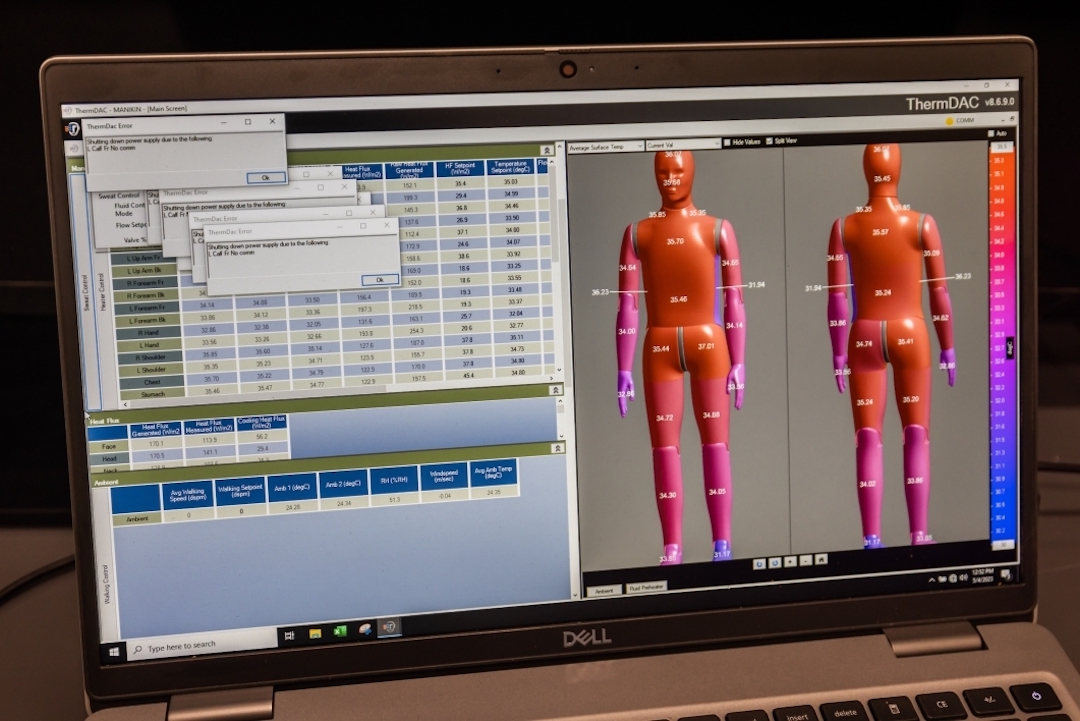
To be able to design products to better protect humans from heat stress, scientists have been placing ANDI in a heat chamber to conduct experiments that would allow them to quantify the risks varying environments pose to one’s health.
“You can’t put humans in dangerous extreme heat situations and test what would happen,” explained Associate Professor Jenni Vanos from the School of Sustainability and Assistant Professor Ariane Middel from the School of Arts, Media, and Engineering.
For those wondering how ANDI refrains from exploding under extreme temperatures, that’s because the robot was built with internal cooling channels that circulate cold water throughout its body, allowing it to stay cool in even the hottest of conditions.
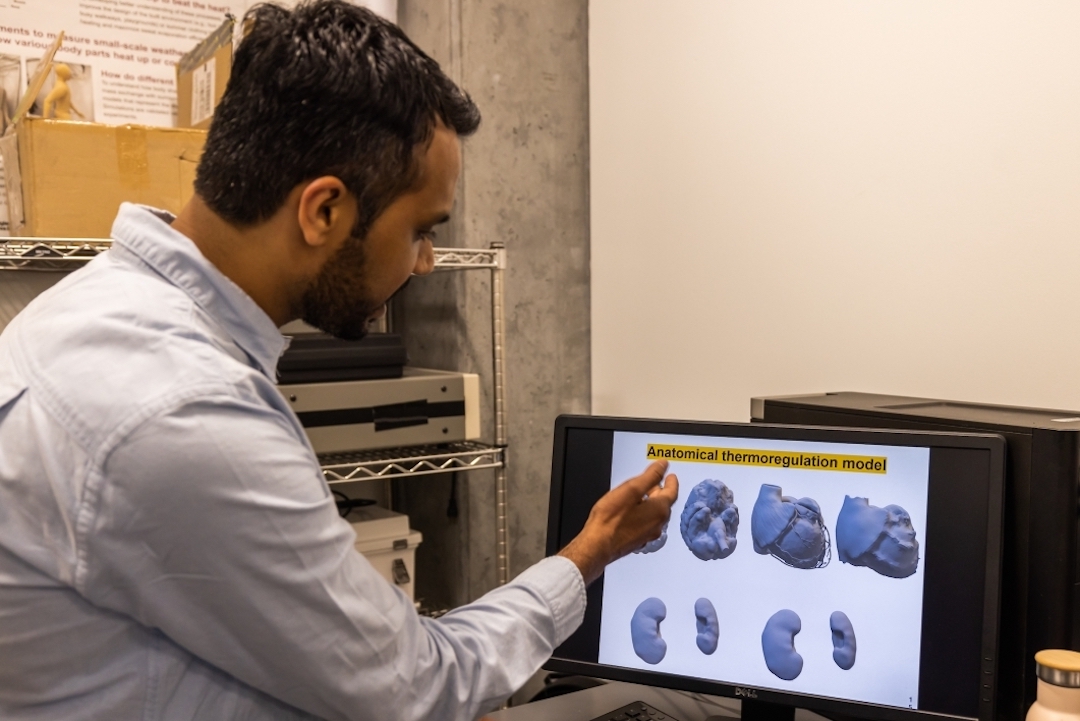
To propel the research further, researchers plan to pair ANDI with MaRTy, a biometerological heat robot. The duo will then work together to showcase human sweating mechanisms and how it affects skin temperature, core temperature, or react in environments with a risk of extreme heat.
Intriguingly, with these robots, researchers can simply add different BMI models, age characteristics, and medical conditions into the android, allowing them to see how bodies react under different circumstances.
Fingers crossed, this research could result in devices for heat interventions. For example, the creation of clothes or exoskeletons for backpacks specially designed to support cooling.
[via Interesting Engineering and The Hustle, images via Christopher Goulet / Arizona State University]


