
ChatGPT Designs Its First-Ever Robot As Scientists Hand Over The Reins To AI
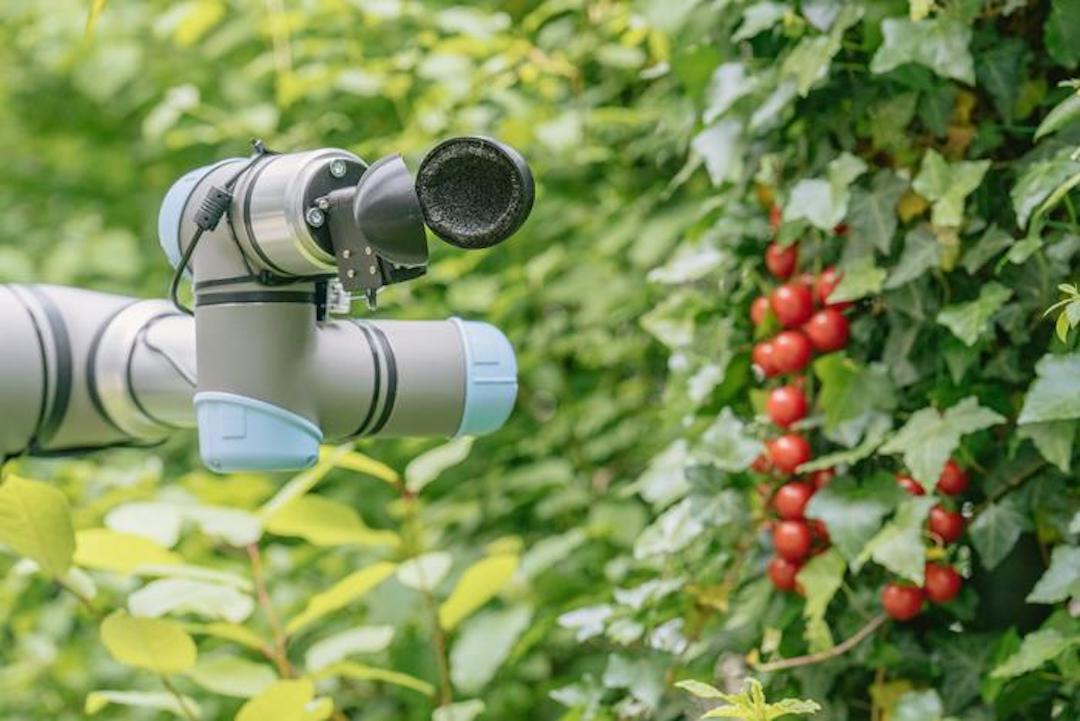
Image generators, search engines, and sculptures—is there anything artificial intelligence can’t do? Well, to push the boundaries even further, researchers at TU Delft and the Swiss technical university EPFL have partnered with the popular chatbot to create its first robot.
With so many challenges to solve in this planet, scientists were stumped with which direction to go in. Eventually, they settled on food supply, taking the issue to ChatGPT, which suggested building a tomato-harvesting robot.
“We wanted ChatGPT to design not just a robot, but one that is actually useful,” remarked Assistant Professor Cosimo Della Santina.
“ChatGPT extends the designer’s knowledge to other areas of expertise. For example, the chat robot taught us which crop would be most economically valuable to automate,” added PhD student Francesco Stella.
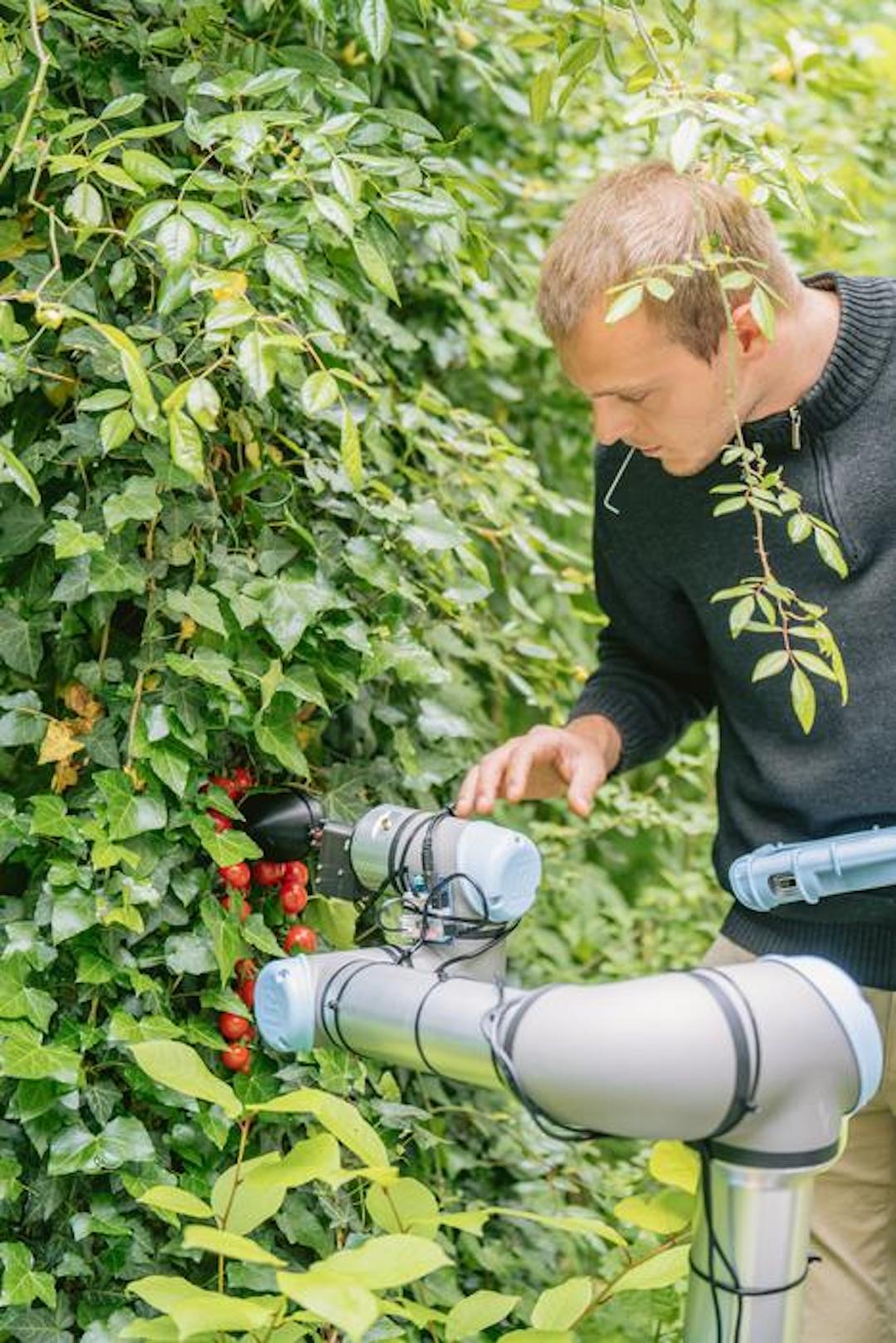
Intriguingly, the algorithm proved useful even when moving from the conceptual phase to the implementation phase, coming up with useful suggestions for the scientists to craft a gripper out of silicone or rubber so the robot would avoid crushing the tomatoes it picks.
However, despite the researchers finding the collaborative experience “positive and enriching,” they did notice that the role of engineers shifted towards performing more technical tasks. Though, as of now, human input still seems to be paramount.
It appears today’s chatbots still aren’t equipped to take over all the input of the robot design for human counterparts to follow blindly. Especially with the technology’s propensity to put out misinformation or biased answers.
In particular, Satina explained that working with chatbots raises the risks of plagiarism, traceability, or issues with intellectual property, as the machines are made to just generate the “most probable” answer to a question.
Going forward, the team will continue using the tomato-harvesting robot to continue the research on robotics while engaging with chatbots to design other forms of machines.
“Ultimately, an open question for the future of our field is how LLMs can be used to assist robot developers without limiting the creativity and innovation needed for robotics to rise to the challenges of the 21st century,” concluded Stella.
[via Tech Explorist and EurekAlert, images via Adrien Buttier / EPFL via EurekAlert]


