
Paul McCartney Joins In AI ‘Revolution’ To Create One Last Song By The Beatles
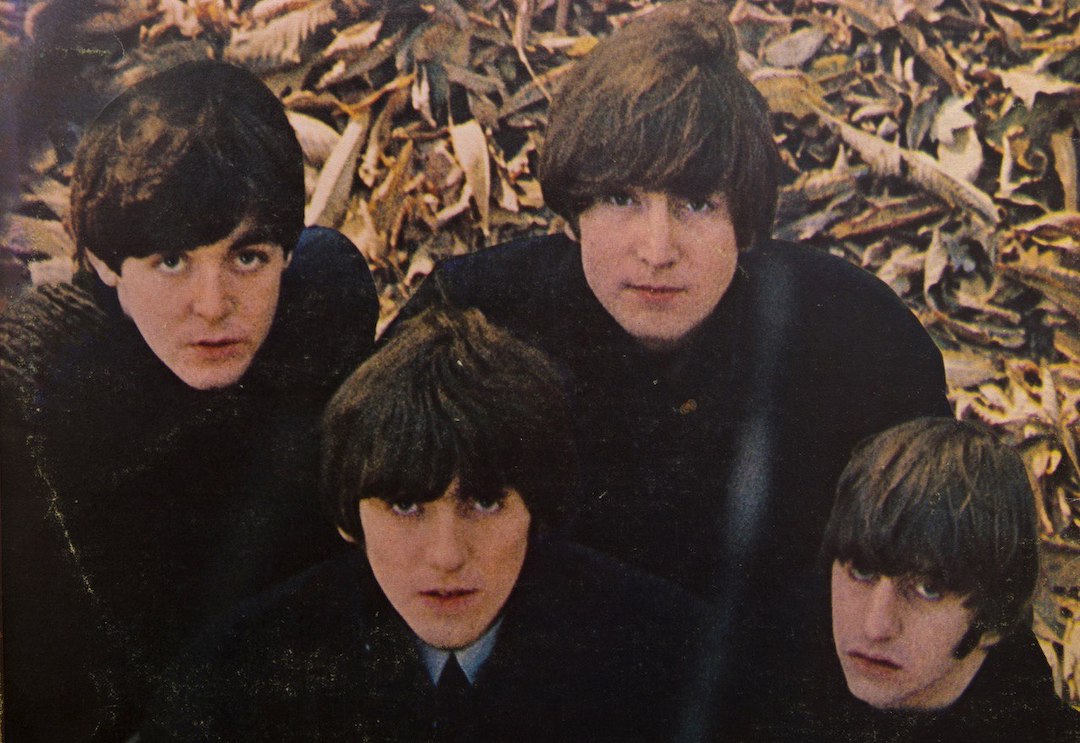
In 1969, The Beatles made a poignant final appearance atop the Apple Corps headquarters, leaving fans with lasting memories. It marked the last time audiences heard and witnessed the collective magic of the group before they embarked on individual paths. Each member forged immensely successful careers, etching their names into the annals of popular culture. Still, any fan might agree that it would have been wonderful to see and hear them all together again before tragedy struck the band.
But with the rise of artificial intelligence, could The Beatles be back for one last song? Paul McCartney thinks so.
In an interview with BBC Radio 4, the singer mentioned that AI had been used to extract a demo of John Lennon’s voice and turn it into a sample for a new track. The machine was fed a portion of his voice from an old cassette tape to get a “pure” version to mix with the final product, to be released later this year.
The idea to create this track came from the production of Peter Jackson’s three-part documentary Get Back, which followed The Beatles as they wrote and recorded 14 new tunes for the first time in two years. As Jackson went about sifting through old film reels that had been filming the band during the time, dialog editor Emile de la Rey used AI to isolate their voices from instruments and other miscellaneous sounds.
Though not specified, Lennon’s voice is believed to be taken from a demo he had recorded and put onto tape in 1978. Titled Now and Then, it was a love song that was meant for what would have been the band’s reunion. Other music to be released along with it included Free As A Bird, which eventually got released in 1995 after McCartney, George Harrison, and Ringo Starr decided to finish some of the pieces Lennon had been working on for The Beatles before his death.
However, after listening to Now and Then, Harrison thought that it was bad, and that the background buzzing heard on the track, thanks to being recorded in Lennon’s apartment, only served to have the song shelved. Until now, that is.
Fake AI-generated music is spreading like wildfire online, with enthusiasts extracting artists’ voices to create fresh tunes or even have them perform covers of other songs. McCartney is no exception to this trend, as he openly acknowledges during a BBC 4 Radio interview. He is aware that individuals have used such technology to make Lennon “sing” his solo tracks. Unlike some artists who have opposed these practices—such as Universal Music taking down a Drake and The Weeknd collaboration or a fan fined for crafting an entire album mimicking Frank Ocean—McCartney views AI in music as a positive development.
He does caution that there can be negative aspects associated with it. Nevertheless, he believes this technology could benefit fans in various ways. It’s important to note that this particular scenario differs from other instances of fabricated AI music, as McCartney employs AI to assist with a track that Lennon had already composed for The Beatles. It’s not an entirely new song where Lennon had no involvement, and instead, it is a piece that could have seen the light of day had things not worked out the way they did.
[via Engadget and Interesting Engineering, Photo 212929030 © Boggy | Dreamstime.com]


