
EU Rules Apple Will Have To Make iPhones With ‘Readily Removable’ Batteries
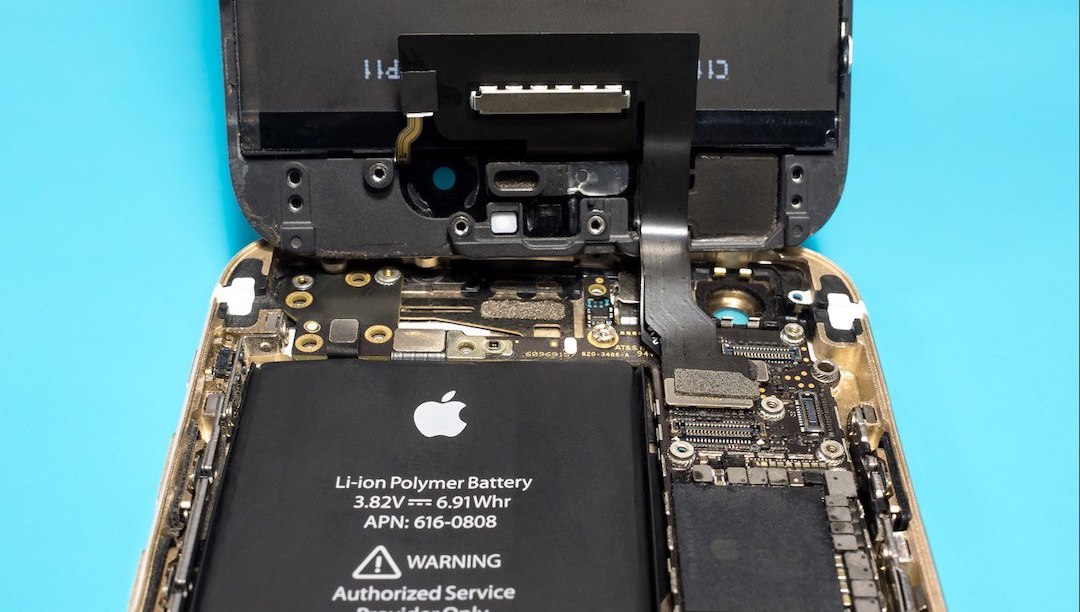
If you have owned an iPhone at any point in time, you might have noticed one inescapable feature that separated it from other phones during its inception: the inability to remove its battery.
Devices from yesteryear often came with a battery pack that you could easily pop out and back in with just a slide of their casing. Such a convenience allowed users to swap packs once the other one had run out, which also extended the gadget’s life.
The European Union, however, is trying to put a reverse on a decision Steve Jobs made by approving a new ruling that now insists future iPhones come with a way for users to remove their power pack so as to prolong the lifespan of the model.
The ruling doesn’t just apply to the iPhones but to every smartphone and other portable device available today. After Apple made the first move to stop people from accessing phone batteries, other smartphone users, for example, Samsung, kept the option available for a few years before eventually following suit.
From the new guidelines, the EU seems to consider “readily removable” batteries as anything that can be accessed through commercial tools. Thankfully, getting your hands on a Pentalobe (the star-shaped screws on an iPhone) screwdriver is much easier than before. However, the next problem is the extraction of the power pack.
Unlike older smartphones, newer ones have their power pack placed deep within their circuits, often to make the form factor thinner. The EU now also wants them to be redesigned so that the average person can handle dismantling their device and retrieving the battery without breaking anything.
How that will work out for these tech companies is yet to be seen. Overall, it looks like a good move for the general public and the environment, as much of e-waste stems from perfectly good gadgets being thrown out due to batteries that have been running through.
[via Lifewire and Mashable, ID 89727297 © Poravute Siriphiroon | Dreamstime.com]


