
NASA Successfully Turns 98% Of Astronauts’ Sweat, Pee Into Drinkable Water
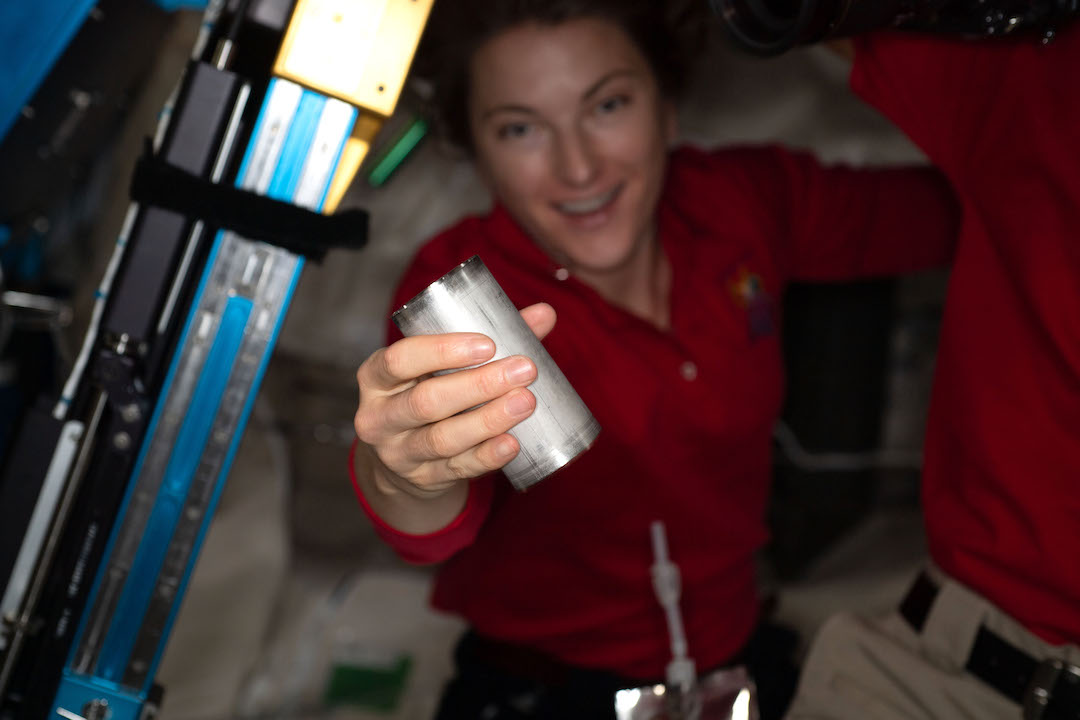
As humanity looks to longer missions in space that venture beyond the Earth’s low orbit, one of the main challenges scientists have to answer is how to continue to provide for the basic needs of crew members when resupply missions aren’t possible.
According to NASA, an ideal scenario would be to save nearly 98% of the water that the crew brings on board at the start of the trip. To achieve this, engineers have come up with an Environmental Control and Life Support System (ECLSS) that can recycle the used liquid.
The first part of the ECLSS involves the Water Recovery System, which helps collect wastewater from the crew—in the form of their sweat or urine—and sends it to the Water Processor Assembly (WPA) to be transformed back into drinkable water.
To capture the moisture from astronauts’ sweat and breath in the air, scientists constructed a specialized component that uses advanced dehumidifiers to turn the water vapor floating around the space station into liquid form.
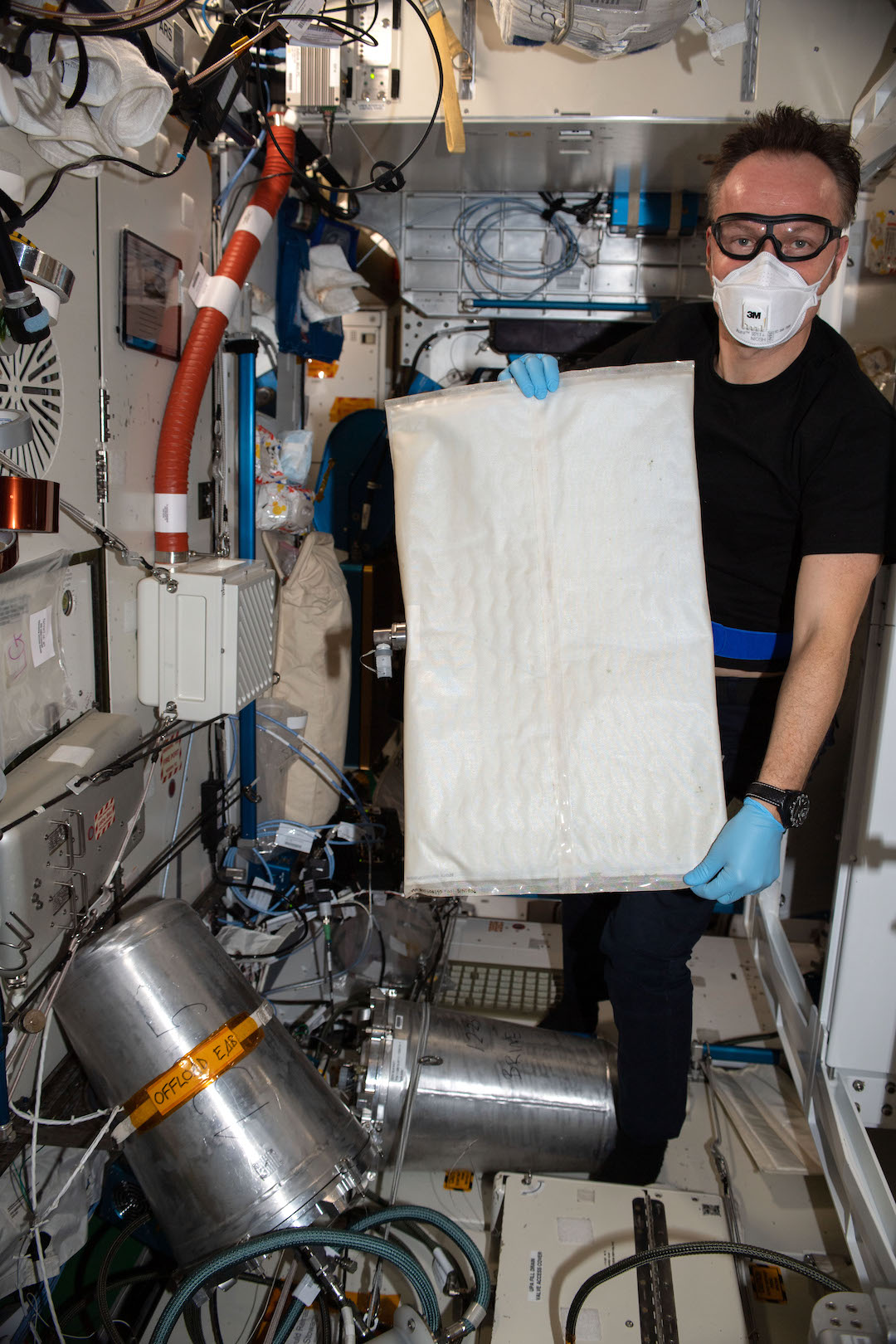
Following this, the Urine Processor Assembly (UPA) subsystem helps recover clean water from urine using the process of vacuum distillation. This was built upon previous technology on the space station that created water and a urine brine that still contained some reclaimable water.
The improvement, developed as a Brine Processor Assembly (BPA), can now extract the remaining wastewater from the brine to achieve NASA’s 98% water recovery goal, a big step up from the previous rates of 93% and 94%.
How? Well, the agency explained that the BPA runs the brine produced by the UPA through a special membrane system before blowing warm, dry air over the brine to evaporate the water. The humid air is then condensed and collected by the water collection systems, just like sweat.
“This is a very important step forward in the evolution of life support systems. Let’s say you collect 100 pounds of water on the station. You lose two pounds of that and the other 98% just keeps going around and around,” said Christopher Brown, a member of the team at Johnson Space Center.
All of the collected water will be treated by the WPA through a series of specialized filters. Following that, a catalytic reactor will break down any leftover contaminants while sensors keep track of the purity of the water. Any water that’s not clean enough will be reprocessed.
“The crew is not drinking urine; they are drinking water that has been reclaimed, filtered, and cleaned such that it is cleaner than what we drink on Earth,” reminded Jill Williamson, ECLSS water subsystems manager.
“The regenerative ECLSS systems become ever more important as we go beyond low Earth orbit. The inability of resupply during exploration means we need to be able to reclaim all the resources the crew needs on these missions,” she added.


