
This 2,000-Year-Old Pompeii Painting May Be Hiding An Ancestor Of Pizza
Ever wondered if humans a long, long while ago ate foods similar to what’s commonly found on tables today? Maybe they weren’t chowing down on an actual hamburger or bowl of instant noodles, but it’s possible they may have come up with similar dishes.
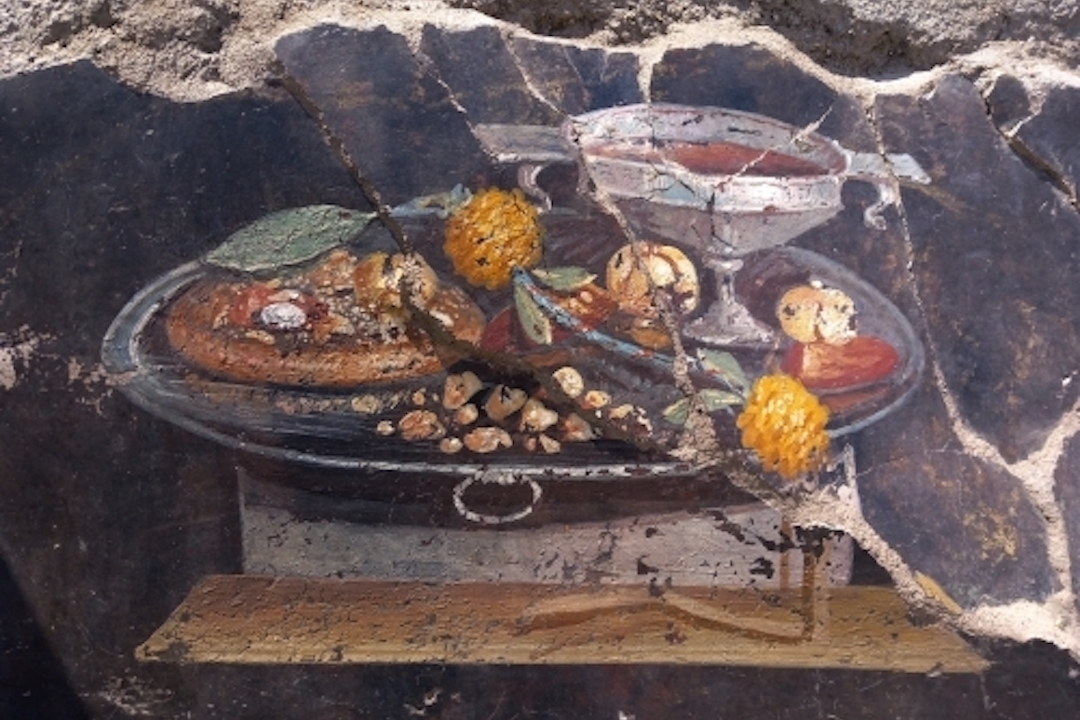
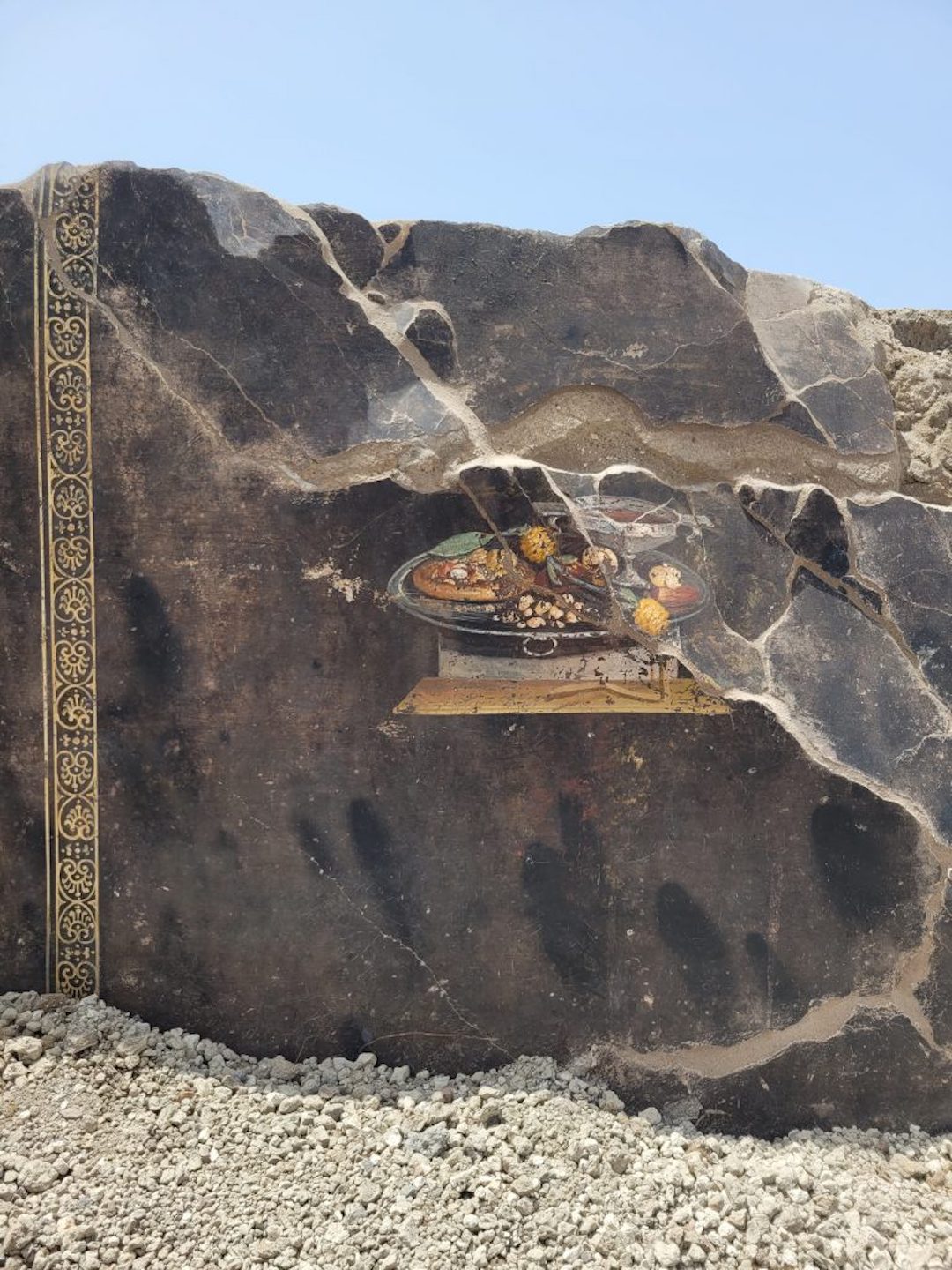
Now, a 2,000-year-old painting discovered in Pompeii, Italy, could be depicting an “ancestor” of the modern-day pizza. The artwork was recently uncovered by archaeologists from the Archaeological Park of Pompeii at the Regio IX excavation site.
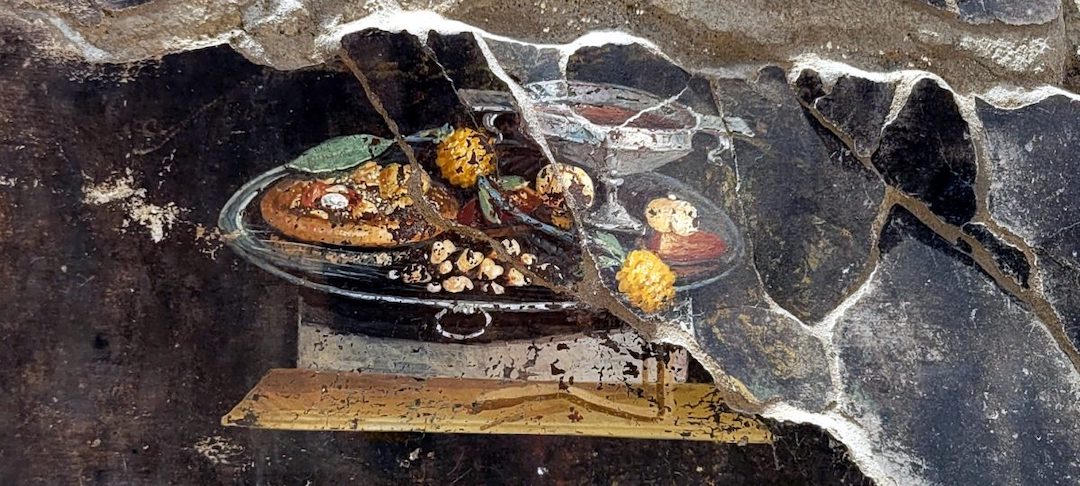
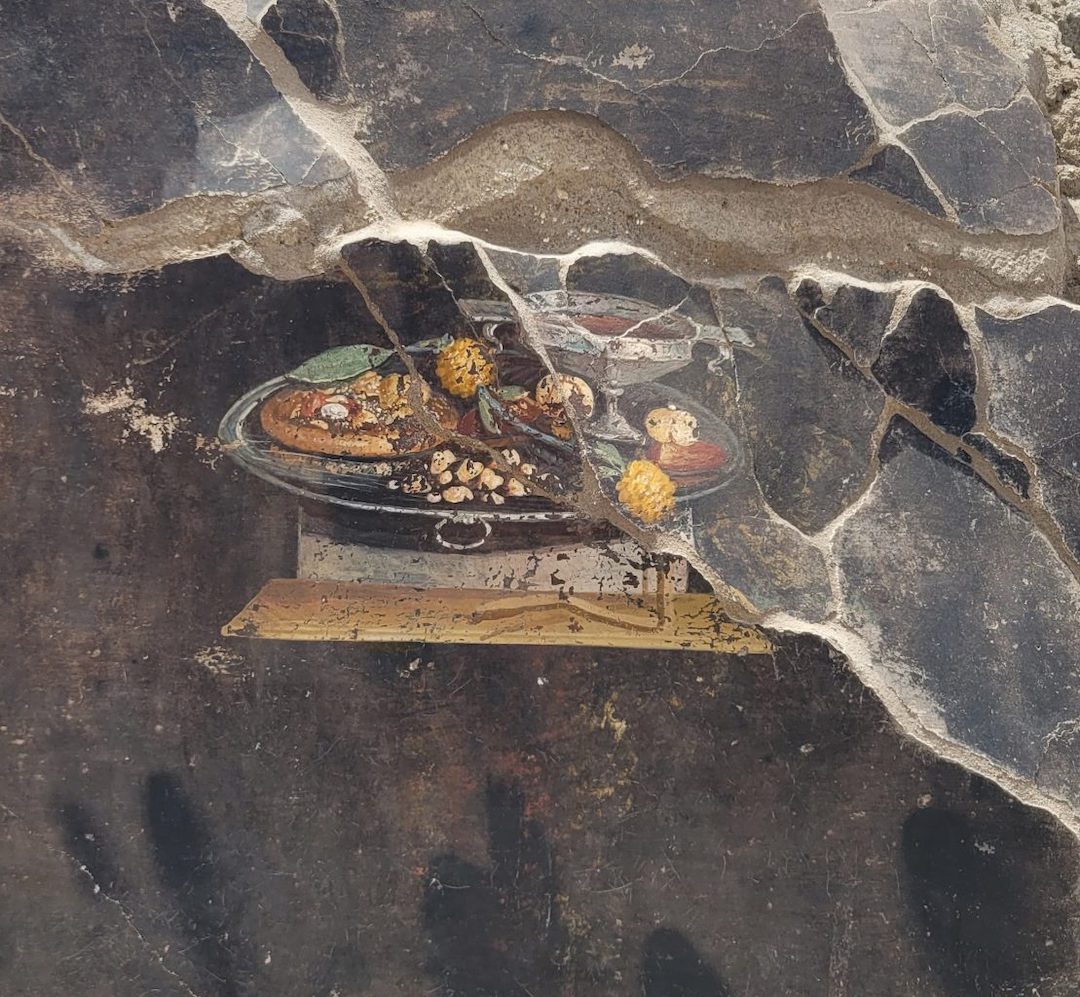
Interestingly enough, the ancient city, which is located in southern Italy, isn’t too far away from Naples, known as the birthplace of the pie. In the watercolor painting, one can spot a flatbread dish reminiscent of pizza, though without the toppings of pepperoni or mozzarella often seen today.
Therefore, the dish pictured may not exactly qualify as a pizza per se, but it certainly looks similar. According to a press release, researchers believe the flat focaccia shown could’ve been used as a support for various fruits, spices, and maybe even a type of pesto.
As per Interesting Engineering, it’s unlikely the food shown in the artwork would taste like a modern-day deep dish, considering tomatoes and mozzarella only arrived in Europe a few centuries ago. In fact, the invention of mozzarella in the 1700s led to the creation of pizza.
The image belongs to a genre of paintings known as ‘Xenia’, which took inspiration from “gifts of hospitality” that were offered to guests due to a Greek tradition from the Hellenistic period. To date, an estimated 300 of these paintings have been found in Vesuvian cities.
“Pompeii never ceases to amaze; it is a chest that always reveals new treasures,” said Minister of Culture Gennaro Sangiuliano.
“I think about the contrast between a modest and simple meal that reminds us of a sphere that stands between the pastoral and the sacred on one side, and the luxury of the silver trays and the refinement of the artistic and literary representations on the opposite side,” added the Director General of the Archaeological Park of Pompeii, Gabriel Zuchtriegel.
“When considering this matter, how can we not think about pizza, also born as a ‘poor’ dish in southern Italy that has now conquered the world and is served in Michelin-star restaurants.”
[via Interesting Engineering and The Guardian, images via Archaeological Park of Pompeii]


