
The Vatican Releases ‘AI Bible’ With Guidelines On Ethics For Growing Technology
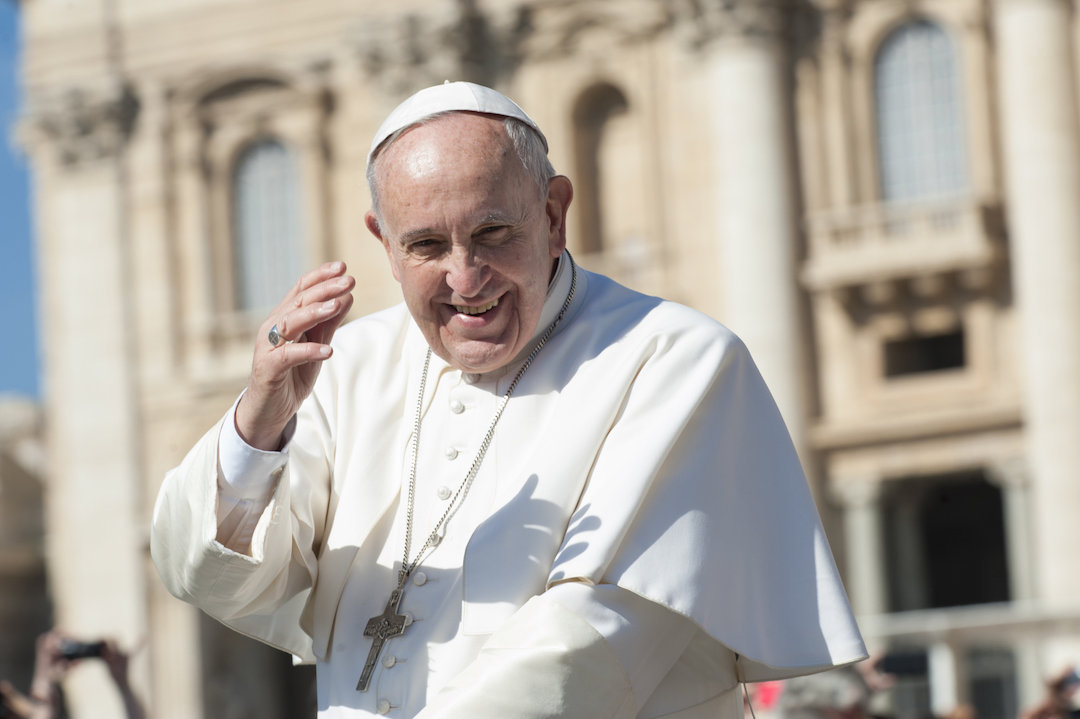
As governments all over the world grapple with the ethics behind the rise of artificial intelligence and what it could mean for the bigger picture, The Vatican has surged ahead with its very own handbook on the topic, as defined by Pope Francis.
The Pope worked with Santa Clara University’s Markkula Center for Applied Ethics to come up with a series of guidelines via a brand-new organization dubbed the Institute for Technology, Ethics, and Culture (ITEC).
ITEC’s first handbook—Ethics in the Age of Disruptive Technologies: An Operational Roadmap—is meant to serve as advice for technology firms as they wade through the confusing regulations governing generative AI and other tools.
While The Holy See may not be the first place most people would look to for guidance on AI, Father Brendan McGuire, an advisor to ITEC, told Gizmodo the handbook was birthed from a “culmination of longstanding interests” of the church.
In particular, the Pope may be the best person to fuse together a wide range of viewpoints as he believes technology in itself is good, but as the industry rapidly develops, the time has come “to ask the deeper questions.”
Instead of waiting for governments to come up with the rules, ITEC hopes its guidelines will act as an aid for those already wrestling against the difficult questions that come with the proliferation of AI technology, including topics like accountability and transparency.
To put it simply, the Vatican is advocating for organizations to build their use of AI around a set of guiding principles from the get-go, with the anchor goal of ensuring every action is “for the Common Good of Humanity and the Environment.”
Through its pages, the handbook delves into more specific chapters on “Respect for Human Dignity and Rights” and “Promote Transparency and Explainability,” with a total of seven points further segmented into 46 actionable steps.
Head here to download the ITEC Handbook. Though, if you’re wondering if the Pope himself has tried out ChatGPT or Midjourney, no one knows for sure.
[via Gizmodo and Yanko Design, cover image via Neneo | Dreamstime.com]


