
IKEA’s Design Lab Whips Up Visionary Tableware From Locally Abundant Materials
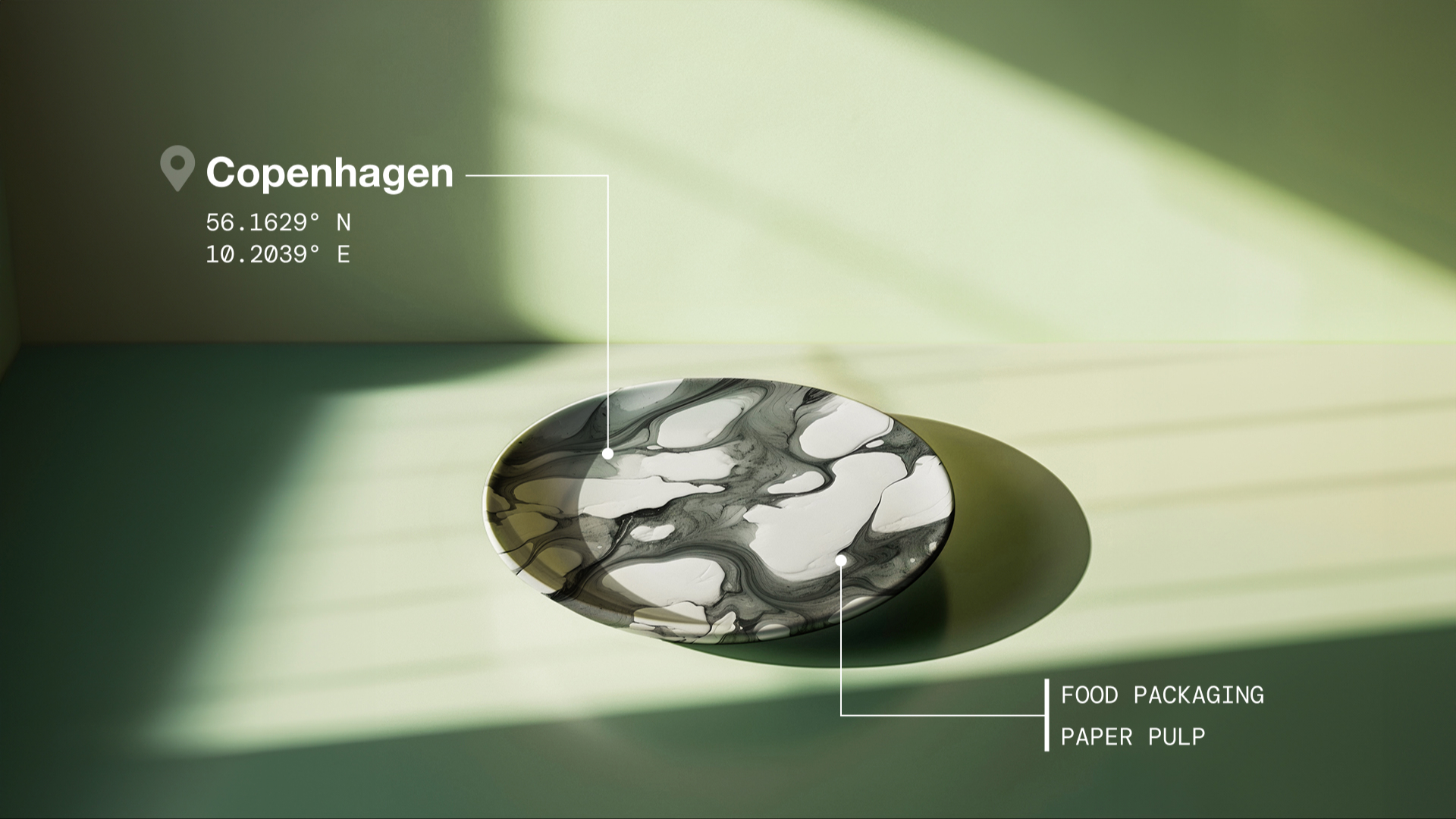
Image courtesy of oio / SPACE10
Have you looked beneath any of your drinking glasses? Chances are, they won’t say they were manufactured close to where you live.
Most items we own are made up of materials from various parts of the world and are produced in faraway factories. Unfortunately, there’s a downside to this resourcefulness. Globalization is responsible for many problems on the planet, such as heavy emissions and the reckless dumping of waste.
Things used to be made differently a long time ago. Much of culture and food stems from what could be readily obtained. IKEA’s experimental and design lab, SPACE10, together with creative product company oio studio are returning to this mindset and exploring how tableware can be crafted for various places using locally abundant materials.
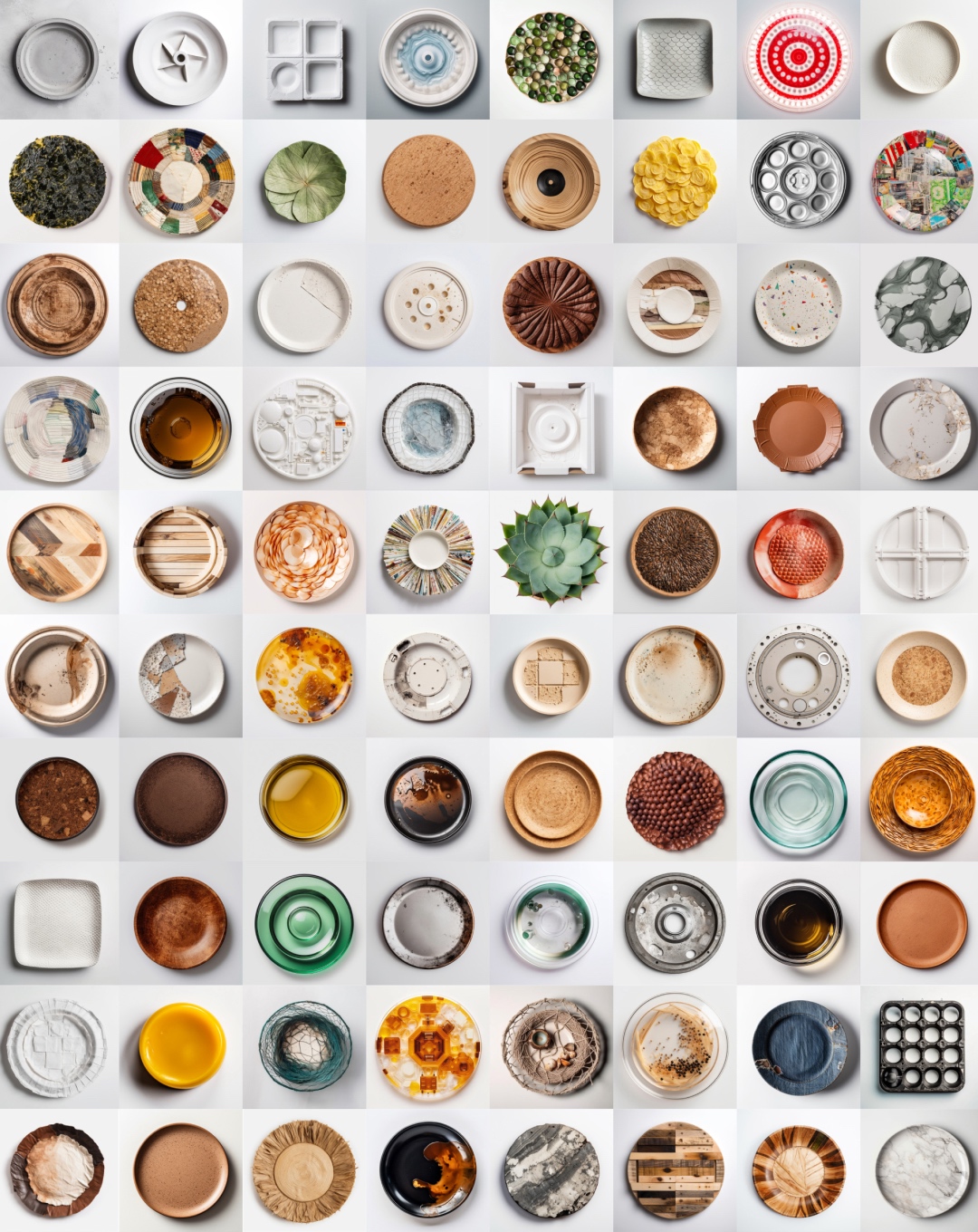
Image courtesy of oio / SPACE10
“Nature doesn’t ship worldwide,” SPACE10 explains. “Each bioregion is the product of a unique recipe—variations in sunlight, soil type, rainfall, and predator hierarchies inform what plants and animals call a place home.”
Products of Place is a new interactive map that lets you discover how plates could be manufactured in 140 regions, using resources that are in excess supply and would have normally been tossed away.
Video courtesy of oio / SPACE10
The visualizations anticipate a future where designers can make wiser material choices to restore the balance of the earth.
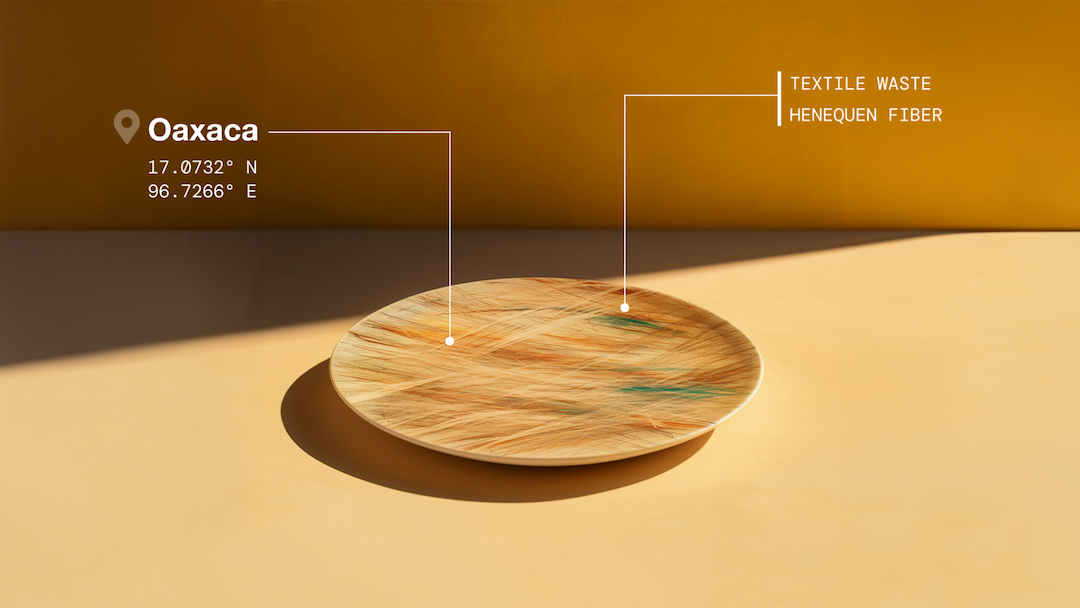
A conceptual plate made from textile waste and henequen fiber from Oaxaca, Mexico. Image courtesy of oio / SPACE10
Integral to the project is generative artificial intelligence, something SPACE10 has been excitably experimenting with for some time. Most recently, it dreamed up a fully recyclable flat-pack couch that could fit in an envelope, and AI was heavily involved in the brainstorming bit.
“AI enables designers to quickly attune to what is already at their fingertips—to create more meaningful objects with fewer product miles, lowering the emissions of the things that make our homes,” says SPACE10.
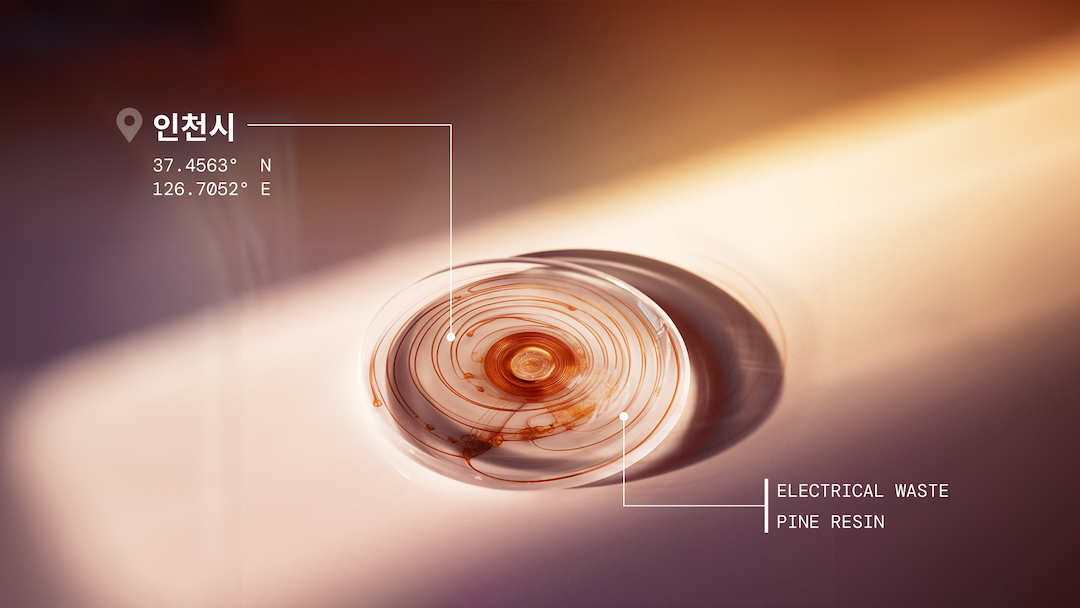
A conceptual plate made of electrical waste and pine resin in Incheon, South Korea. Image courtesy of oio / SPACE10
Products of Place is “a playful look at the potential for designing differently, and reinventing how and what we place in the world,” reiterates Simone Rebaudengo, co-founder of oio studio.
To identify untapped materials that are plentiful in each city, the team turned to ChatGPT, which revealed specific data points “from agricultural residues, construction waste, and manufacturing offcuts to cities with a penchant for coffee or cycling.”
The research was fed to Midjourney, which conjured up the location-specific dinnerware. SPACE10 and oio decided to keep the plate shape consistent across all regions so as to let the results of material exploration shine through.
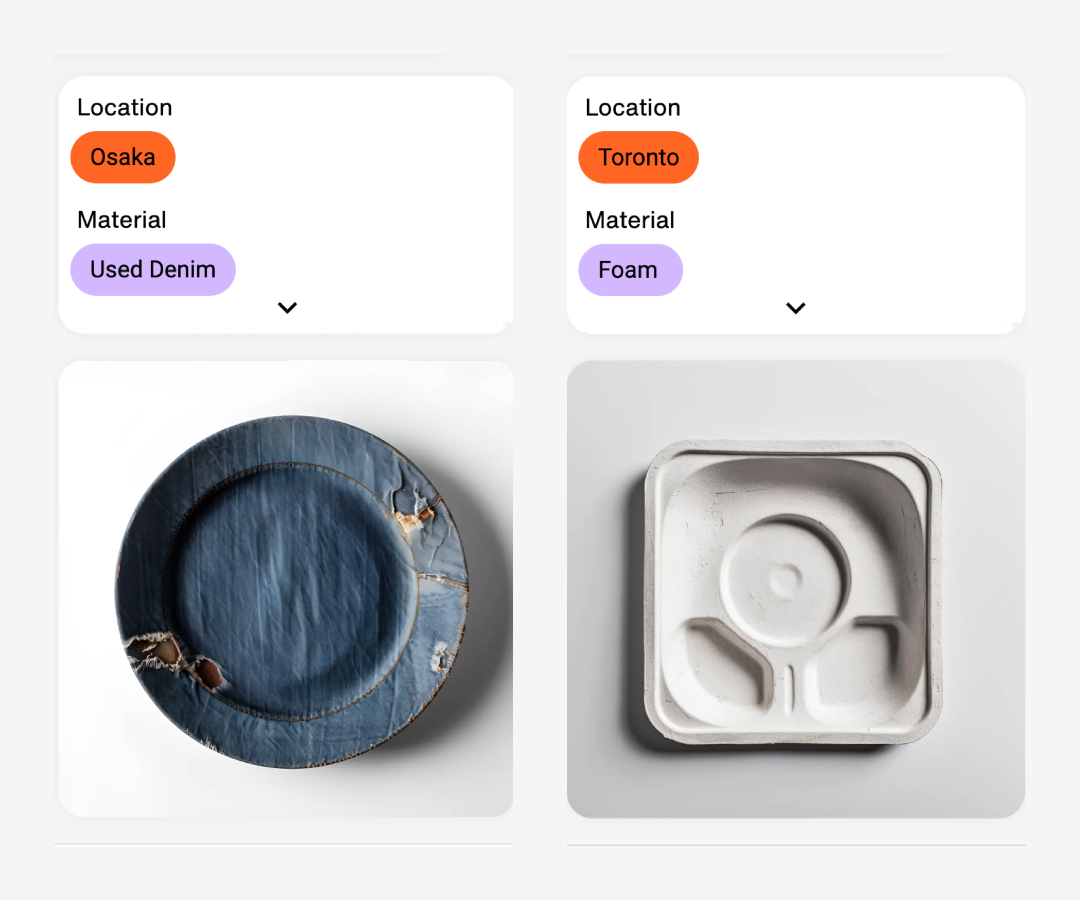
Screenshots via Products of Place
All told, the creatives aren’t viewing generative AI as a definitive reference. The designs are surprising, no doubt, but many of them aren’t feasible—a plate visualized to be made in London, for instance, is composed of just oil.
Food for thought
The images both represent the potentials and shortcomings of using AI in design, and are “only as smart as the data the tools have been fed, and layered with bias,” says SPACE10.
“The plates range from beautiful to a bit bizarre, highlighting both the opportunities and limitations of an AI-powered design process as it exists today,” stresses Alexandra Zenner, who leads Creative & Partnerships at SPACE10. “Human curation is still required to decide which concepts are good and should move into development.”
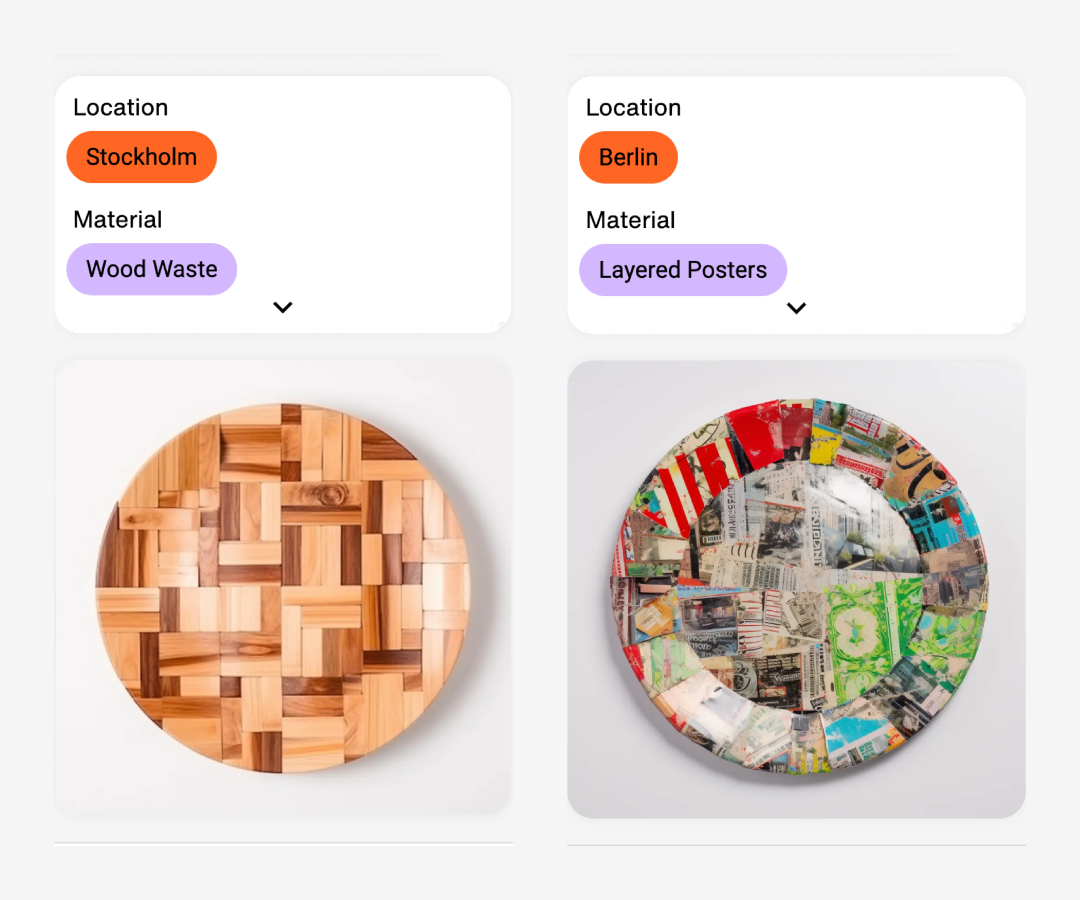
Screenshots via Products of Place
“This new AI integration isn’t perfect—and we want to be transparent about the weaknesses of these platforms, as well as their strengths.”
Presented to you on a plate is something familiar, and yet you’d never think to use it this way.


