
France Passes Bill That Allows Tapping Into Phone Cameras To Solve Crimes
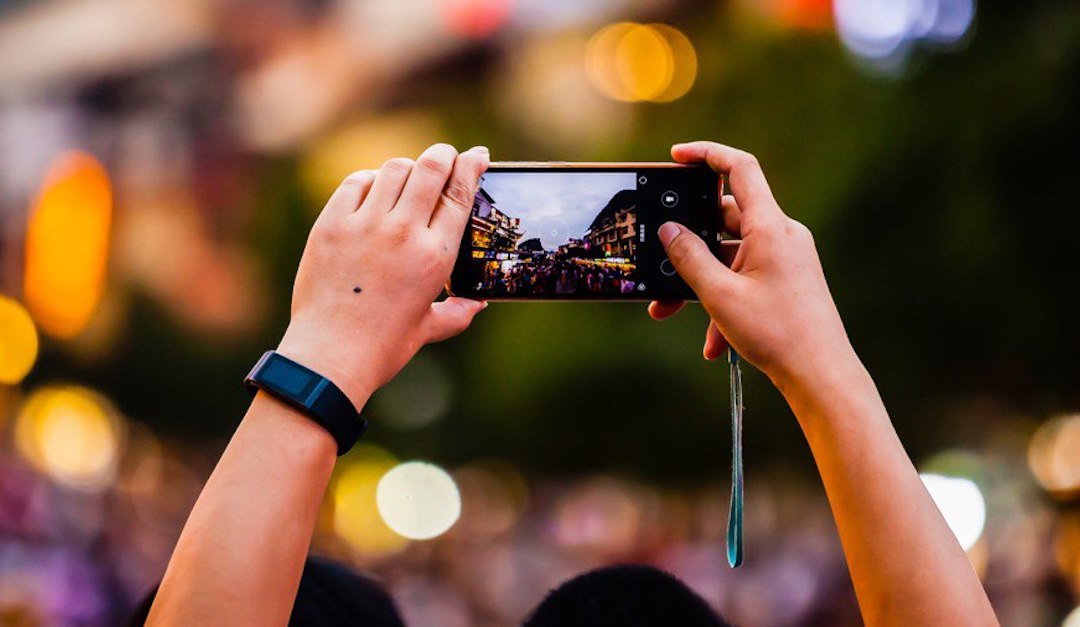
In recent years, it’s been a fairly common concern that government bodies are tapping into the cameras on civilians’ devices to keep an eye on them. If you own a laptop or any other device with a front-facing camera especially, chances are you might have added a piece of tape to ensure that there is no chance anyone is watching you. In France, this might turn into a reality.
French lawmakers in the National Assembly have passed a bill that grants expanded surveillance powers to law enforcement agencies to pursue criminals suspected of terror offenses and organized crimes by remotely accession cameras, microphones, and GPS systems on devices.
So what does this entail? First, perpetrators must be suspected of crimes that are at least punishable by the law for up to five years. From there, authorities will use the geolocation capabilities to keep track of these culprits via their laptops, cars, and connected devices. The policy must also be approved beforehand by a judge, and tracking must only go on for up to six months.
According to the French paper Le Monde, the recently amended bill prevented the use of lawyers, journalists, judges, politicians, and other “sensitive professions.”
This has called on the attention of civil liberty groups, like La Quadrature du Net, concerned about whether authorities could use it to target environmental activists and other individuals whose crimes are not serious threats. The advocacy group has also stated that the measure rests on security vulnerabilities in these devices. And instead of reporting a potential security hole, police exploit its use.
Justice Minister Éric Dupond-Moretti states that only “dozens” of cases per year will need to employ such surveillance methods. La Quadrature says that this impedes one’s “right to security, right to a private life, and to private correspondence.”
[via Engadget and People’s Gazette, Photo 129906453 © Malcolmthe | Dreamstime.com]


