
Google’s Medical AI Chatbot Could Bring Expert Advice To Rural Communities
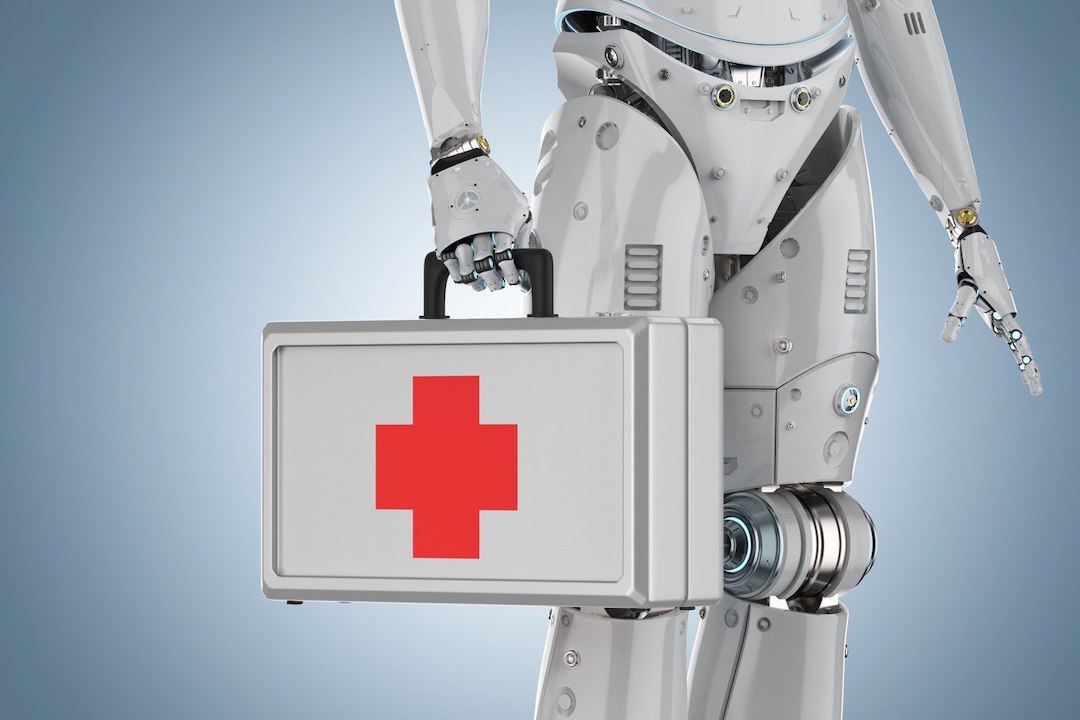
Apart from generating essays and social media captions, artificial intelligence chatbots could serve a more important purpose: providing medical advice to communities that lack access to professionals.
Google is one company trying to achieve this with its Med-PaLM 2 chatbot, which according to a recent report by The Wall Street Journal, is currently being tested at the Mayo Clinic and other hospitals in the country.
The AI model is based on the technology giant’s PaLM 2 large language model (LLM), which powers its Bard algorithm. However, Med-PaLM 2 differs from the usual chatbot as it has been trained on questions and answers from medical licensing examinations and demonstrations.
Simply put, this means that, unlike ChatGPT or Bard, this particular generator has expertise in answering questions related to healthcare with expert advice, with additional abilities to summarize documents and organize research data for doctors and scientists.
In the latest paper on Med-PaLM 2, Google noted that it demonstrated “alignment with medical consensus” and could come up with responses that respondents preferred to those given by actual physicians.
However, it’s still being tested to monitor the accuracy of its replies, which has faced similar accuracy problems spotted in other chatbots. Part of the research hopes to use the AI tool for ultrasound diagnosis and cancer therapy.
It may be a while before Med-PaLM 2 is released to the public, as the chatbot still remains in the early stages of development. Google senior research director Greg Corrado said the technology was not yet intelligent enough where he would want it included in his family’s healthcare journey.
Nonetheless, the premise of the tool is promising, especially in providing health care to communities with limited access to doctors. Hopefully, in the near future, the technology will be advanced enough to expand the benefits of health “by 10-fold.”
[via Engadget and Android Police, cover image via Kittipong Jirasukhanont | Dreamstime.com]


