
Netflix Douses Actors In Magenta To Combat Green-Screen Errors

Green-screen technology has come a long way since it was first introduced in the 1930s. Early uses of the tech often had primitive visual effects that made it evident that the actor you were watching was not actually standing in space or on the top of a building in Paris but instead in a studio in Los Angeles.
It is hard to tell as much, but some signs can take audiences out of the immersion. For example, finer details in shots like hair and clothing can sometimes give away production secrets if not edited out correctly. As an answer, researchers at Netflix added even more color with a Magenta Green Screen (MGS).
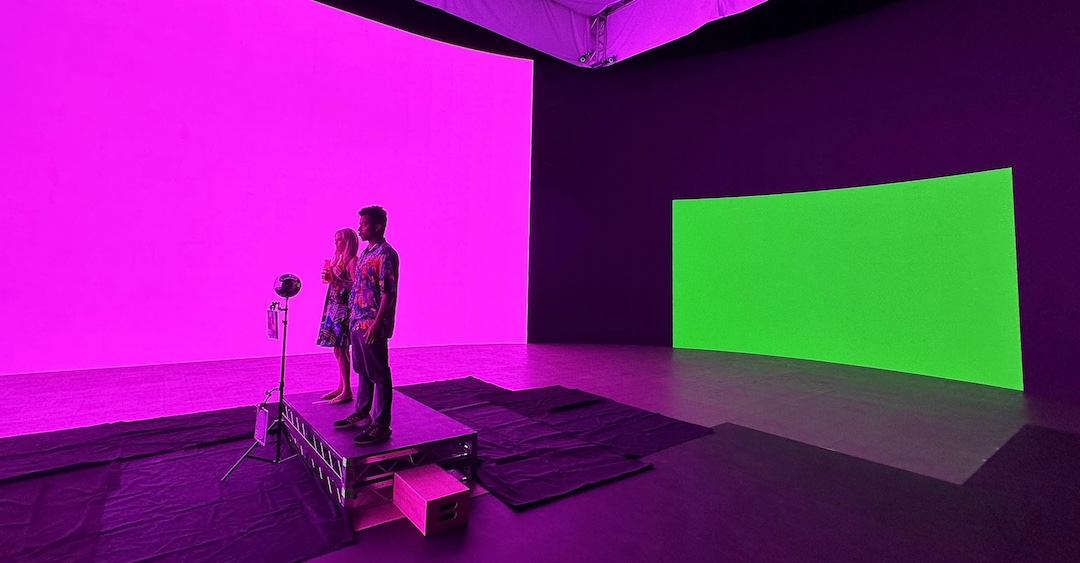
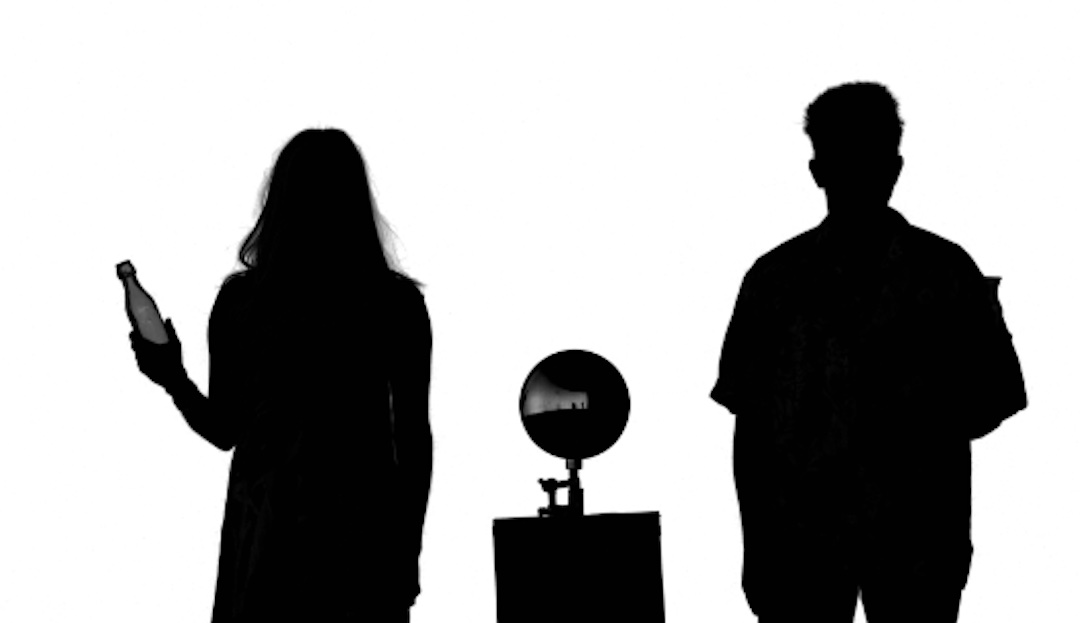
In a few test shots from the company, two actors are seen standing in front of a traditional green screen. But instead of appearing as they usually would, a mix of red and blue lights shine directly on them, effectively turning them purple to the naked eye. On a digital camera, combining all the colors produces a green channel where any actor or object being filmed appears as a silhouette against a background.
This green channel can create an alpha channel or a black-and-white image. In post-production, editors can easily see what needs to remain and what should be removed. The technique should also work with transparent objects that often disappear from a shot when using a green screen. This means that costume departments can use green clothing and everyday items like cups and plates without hesitation.
However, as it does not color-correct footage in real-time, it might be hard for the crew to visualize the end product.
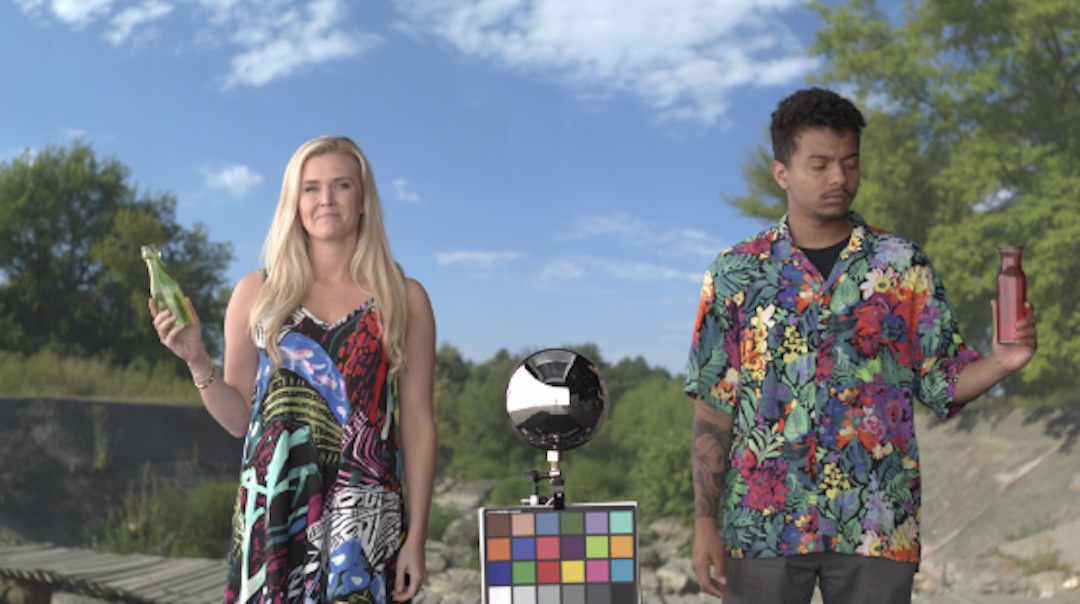
So how about this striking magenta hue? Netflix uses an artificial intelligence method called the “machine learning colorization technique” to remove the hue. The AI is trained on footage of the subjects, so it knows what they are supposed to look like and will be able to recolor everything to how it should look.
According to Decrypt, production company Geiger Post stated a few concerns about the technique; notably, how this method only works well in controlled spaces. And when put up against newer tech, such as virtual production stages, it might not stand up against the competition. Though, the point behind the research was to find a quicker and more accurate method of using a green screen. Perhaps with further experimentation it might end up being a viable option to create more convincing footage.


