
Google’s Bard Can Now Literally Talk Back To You
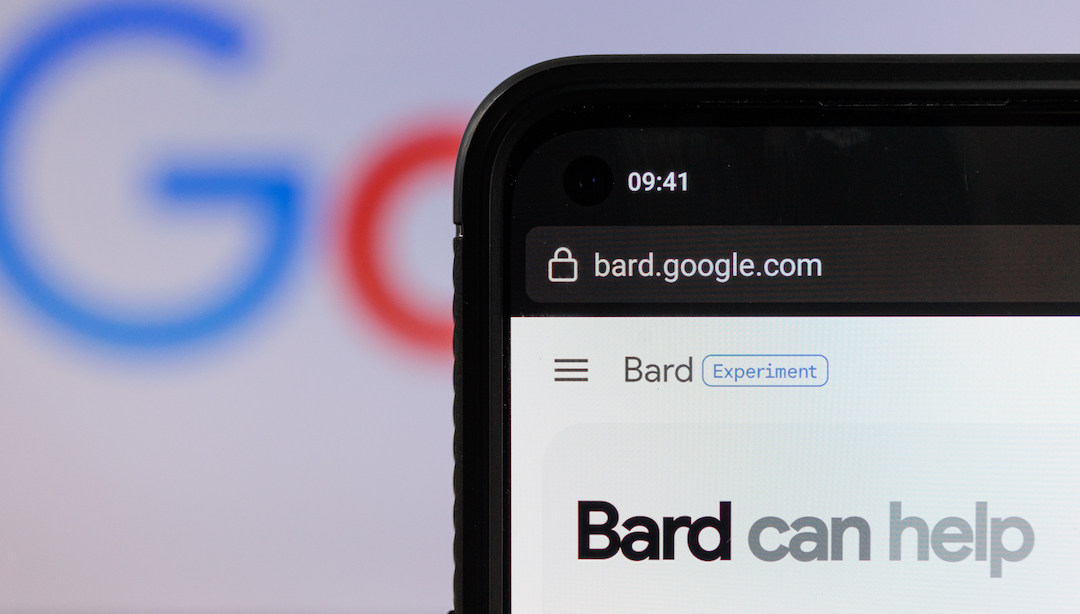
In a new development, Google’s Bard has gained the ability to engage in two-way conversations. This means Bard is no longer limited to text responses but can now literally talk back to users.
To make the conversations even more inclusive, Google has added support for 40 languages. Users can now communicate with Bard in Arabic, Chinese, German, Hindi, Spanish, and many more. This expansion allows individuals from various regions, including Brazil and across Europe, to access and benefit from the platform.
The idea behind giving Bard a voice is to help users correctly pronounce words from the newly added languages. This feature could prove to be pretty handy for learners who might not have a partner to practice with.
Additionally, users can customize how Bard speaks to them by choosing from a range of tones, including simple, long, short, professional, or casual. However, this is only available for the English language option currently.
Audio responses aren’t the only thing Bard is now capable of. It can now process images dropped into its chat. Users can request Bard to generate a caption for the image or provide information based on its contents. This functionality offers a faster and more convenient way to extract data from images without uploading them as separate documents. Similar to tone customization, this image processing capability is currently limited to English.
Another enhancement is integrating Python-generated code from Bard into popular platforms like Replit and Colab. This streamlines the workflow for developers, allowing them to implement code generated by Bard into their projects quickly.
[via Engadget and CNBC, Photo 272750813© Rokas Tenys | Dreamstime.com]
This article was crafted with assistance from an AI engine, and has been reviewed, edited, and fact-checked.


