
Mass-Produced Humanoid Robots Arrive To Support China’s Aging Population
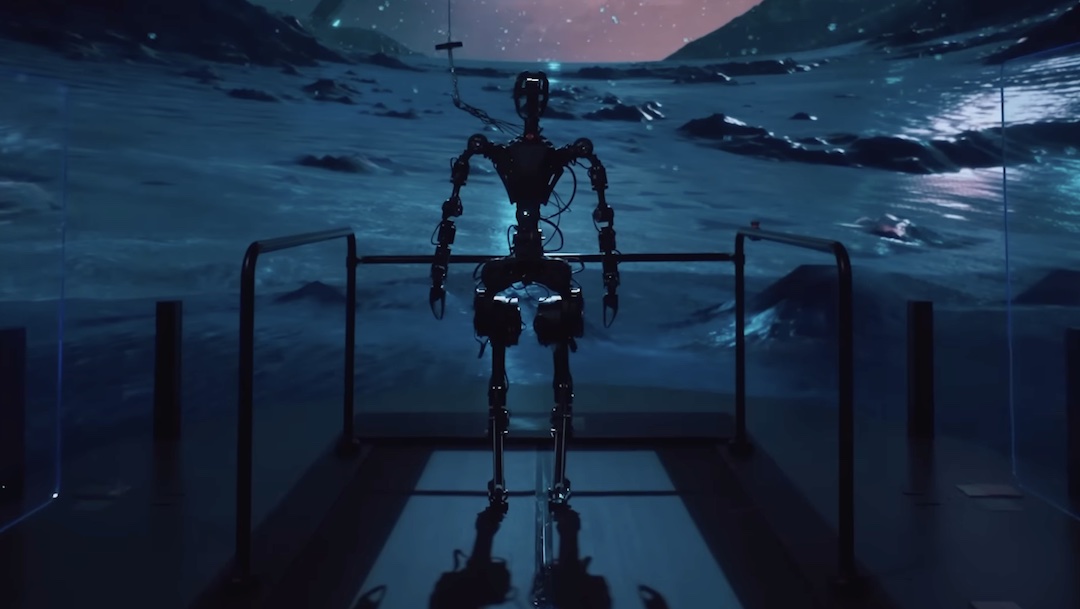
Chinese company Fourier Intelligence has unveiled plans at the World AI Conference in Shanghai to manufacture 100 ‘GR-1’ general-purpose humanoid robots by the end of 2023. The GR-1 was designed to aid rehabilitation, assisting in patient transfers and object manipulation.
China’s senior citizen population is projected to expand from 280 million to 400 million by 2035 as the aging demographic continues to grow. The GR-1 project aims to address the demands of this demographic by serving as caregivers, therapy assistants, and companions for older adults.
Standing over five feet tall and weighing 120 pounds, the current iteration of the GR-1 droid has an exoskeleton body and can walk around and perform simple tasks. Although still in the research and development phase, the prototype is expected to take two to three years to reach completion.
At the moment, the GR-1 robots come with therapy capabilities and are designed to enhance wrist strength, hand and finger grip, and lower-body training. They will also be able to pick up patients from their beds, move wheelchairs, and shift objects around.

Fourier Intelligence, a specialist in rehabilitation technology, has been working on developing advanced physical therapy devices. Its program, called RehabHub, offers a range of devices, and it has also developed exoskeleton robots that provide support for arms and legs during physical therapy sessions. On top of that, to facilitate more human-like conversations, Fourier Intelligence is adding ChatGPT to the GR-1.
However, healthcare isn’t just where its capabilities end; the company is also looking to have it aid in disaster relief.
The CEO of Fourier Intelligence, Zen Koh, believes that humanoid droids like the GR-1 can bridge the gap by providing substantial assistance that previous technologies could not.
Recently, Tesla also showcased its Optimus robot at one of its stores in New York.
It is true that putting the care of your loved one into the hands of a droid might seem a little scary at first, but at the rate that the aging population is growing, introducing robots into the realm of patient care might allay some of the stress rather than add onto it.
[via Interesting Engineering and ZME Scientist, screenshots via Fourier Intelligence]
This article was crafted with assistance from an AI engine, and has been reviewed, edited, and fact-checked.


