
First Over-The-Counter Birth Control Pill Has Been FDA-Approved
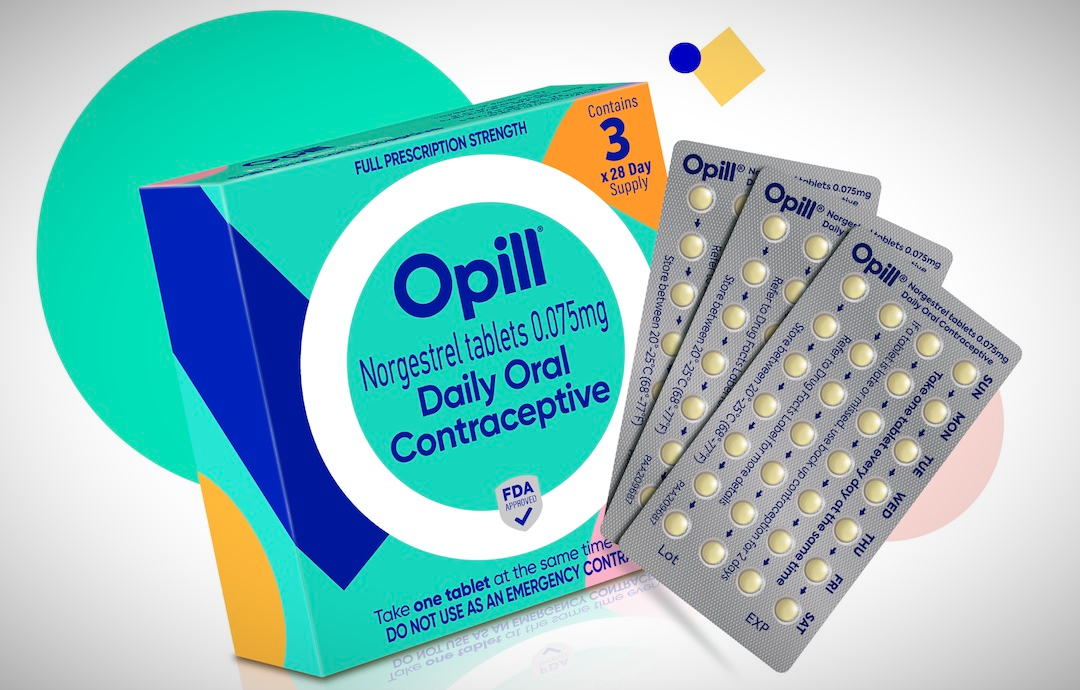
In a significant development, the Food and Drug Administration (FDA) has approved the first over-the-counter contraceptive pill, eliminating the need for a prescription. This decision comes at a crucial time, coinciding with the increase in state-level abortion bans following the Supreme Court’s overturning of the Roe v. Wade decision.
Previously available only by prescription, the contraceptive pill known as Opill is now being sold by Perrigo without needing a healthcare provider’s authorization. The availability of an over-the-counter option removes barriers such as cost, time, transportation, and childcare, making contraception more accessible to a broader population.
Opill, commonly called the “minipill,” solely contains progestin hormones but does not include estrogen like other combination contraceptives. It is vital for individuals taking the progestin-only pill to adhere to a strict three-hour window each day to prevent pregnancy. According to Reuters, Dr Jeffrey Singer, a senior fellow at the Cato Institute, stated that those who miss this window must start again from the next menstruation cycle.
While Opill offers convenience and accessibility, it is important to note potential side effects such as irregular bleeding, headaches, and dizziness. Individuals with a history of breast cancer are advised against using this contraception.
The availability and affordability of over-the-counter birth control pills will be announced at a later date by Perrigo.
Advocates emphasize that improved access to these medications has the potential to address pregnancy concerns, particularly among vulnerable populations such as teens, women of color, and those with low incomes. As per the Associated Press, 45% of the six million annual births in the US are unintended.
As the landscape of reproductive healthcare continues to evolve, the FDA’s approval of an over-the-counter contraceptive pill marks a significant step forward in empowering individuals to make informed choices about their reproductive health. The impact of this decision will extend beyond individual access, potentially shaping broader conversations surrounding reproductive rights and healthcare equity.
Opill will be available at local pharmacies starting in early 2024.
[via Reuters and Associated Press, cover image via Opill]
This article was crafted with assistance from an AI engine, and has been reviewed, edited, and fact-checked.


