
Police’s AI ‘Sharenting’ PSAs Warn Parents Of Dangers Of Posting Their Children
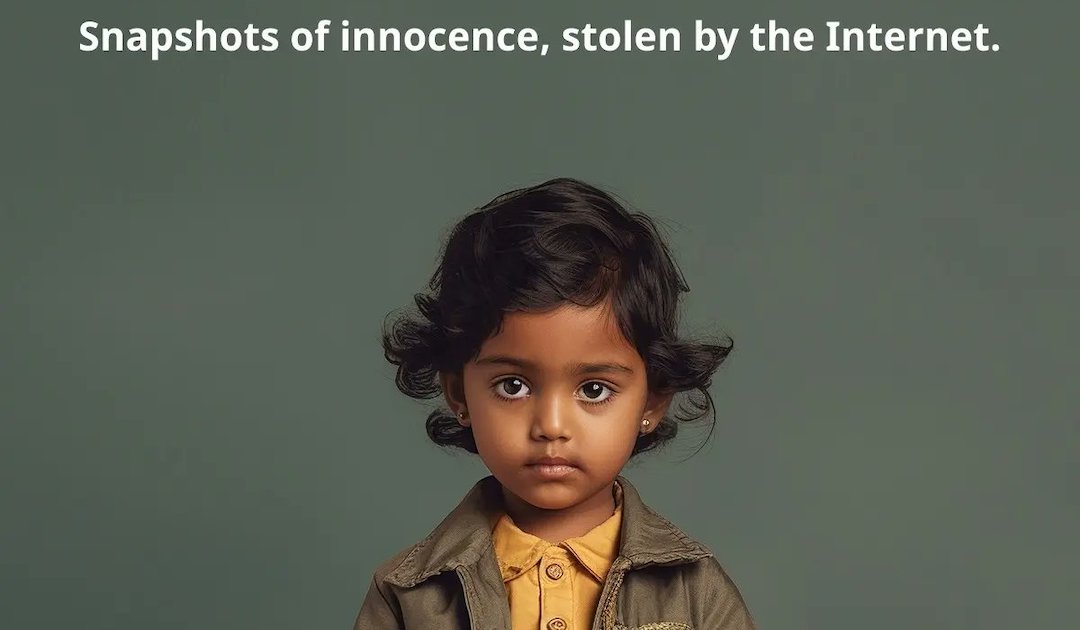
The internet can be a scary place at the best of times, especially for minors who cannot be guaranteed any safety from the dangers of “sharenting” (a portmanteau that depicts parents sharing their children online without their consent).
A campaign by police in India is warning parents about the perils of posting their kids on social media. The cautionary announcement comprises a series of images of children, which might seem counter-intuitive. Still, upon closer inspection, one can quickly tell that the pictures have been generated by artificial intelligence. This further drives the point that these machines cannot differentiate portraits of minors on the internet and will use them to study data.
Likes fade, but the digital scars remain.
— Assam Police (@assampolice) July 15, 2023
Shield your child from the perils of Sharenting.
Be mindful of what you share about your child on Social Media. #DontBeASharent pic.twitter.com/Z8oilz8PFR
One of the captions reads: “Snapshots of innocence, stolen by the internet,” while another says, “Children are not social media trophies.” While sharing the occasional photo of your toddler doing something cute is not a crime, once it is uploaded, pretty much anyone can get their hands on the pictures. And unfortunately, in many cases, they will be used in child sex offenses.
It can also lead to the onset of body image issues in growing children and an unhealthy comparison between themselves and other kids online. Other concerns include cyberbullying, identity theft, and digital kidnapping.
Outside of India, other countries trying to curb the exploitation and exposure of minors online include France. Here, the law states that parents must involve their kids in deciding to post their pictures. If either parent refuses to comply, a judge can ban them from uploading their kids’ photos.
PetaPixel also points out that in a recent post to Instagram, Meta CEO Mark Zuckerberg decided to cover his children’s faces with emojis. As such, if Zuck is making a move to protect his young ones in such a manner, shouldn’t everyone?
Other attempts to spread the notion include a children’s book to teach parents why doing such a thing can be detrimental to a child’s upbringing.
[via PetaPixel and DIY Photography, cover image via Assam Police]


