
New App Helps Parkinson’s Patients ‘Walk Tall’ With Intuitive Training Sessions
Biomedical engineers at UNSW Sydney have announced a new application aimed at assisting people with Parkinson’s Disease to improve their gait and mobility.
The app, aptly named Walking Tall, was co-designed with input from individuals living with Parkinson's, ensuring that it helps meet their specific needs and challenges.
For the unfamiliar, Parkinson’s Disease can make walking a major challenge for those affected, as nerve cells responsible for body movement and coordination do not fully function.
As a result, impaired gait, decreased coordination, and shorter step length can negatively impact their quality of life and independence, leading to falls in around 70% of patients.
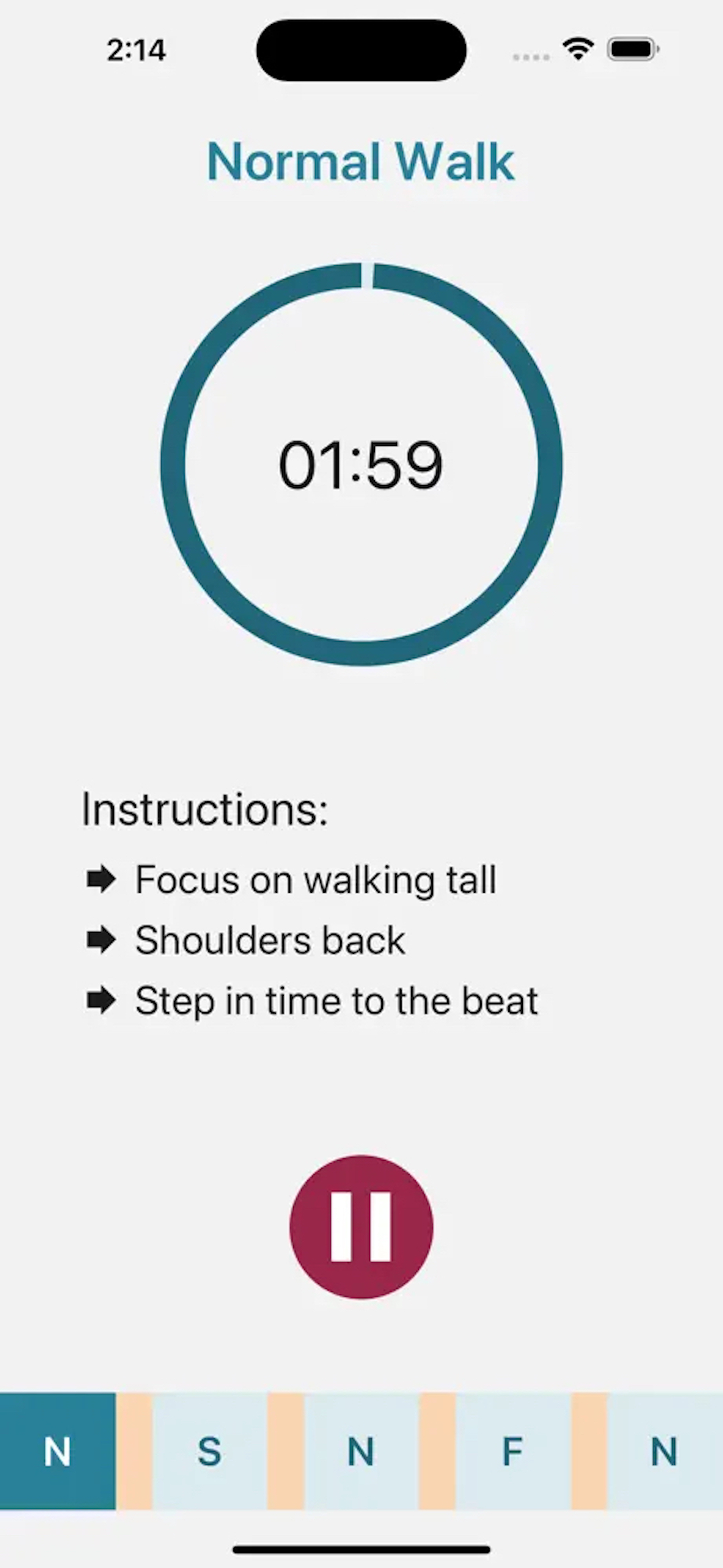
Walking Tall employs a unique gait re-training tool that allows users to set their own training time and pace. It delivers a rhythmic metronomic beat for three different walking speeds, designed to trigger movement and encourage better walking patterns.
In addition to the rhythmic beat, the app provides users with useful instructions such as “walk tall,” “shoulders back,” and “focus on big steps.” It also offers encouragement via audio commentary, helping users stay motivated and engaged in their training.
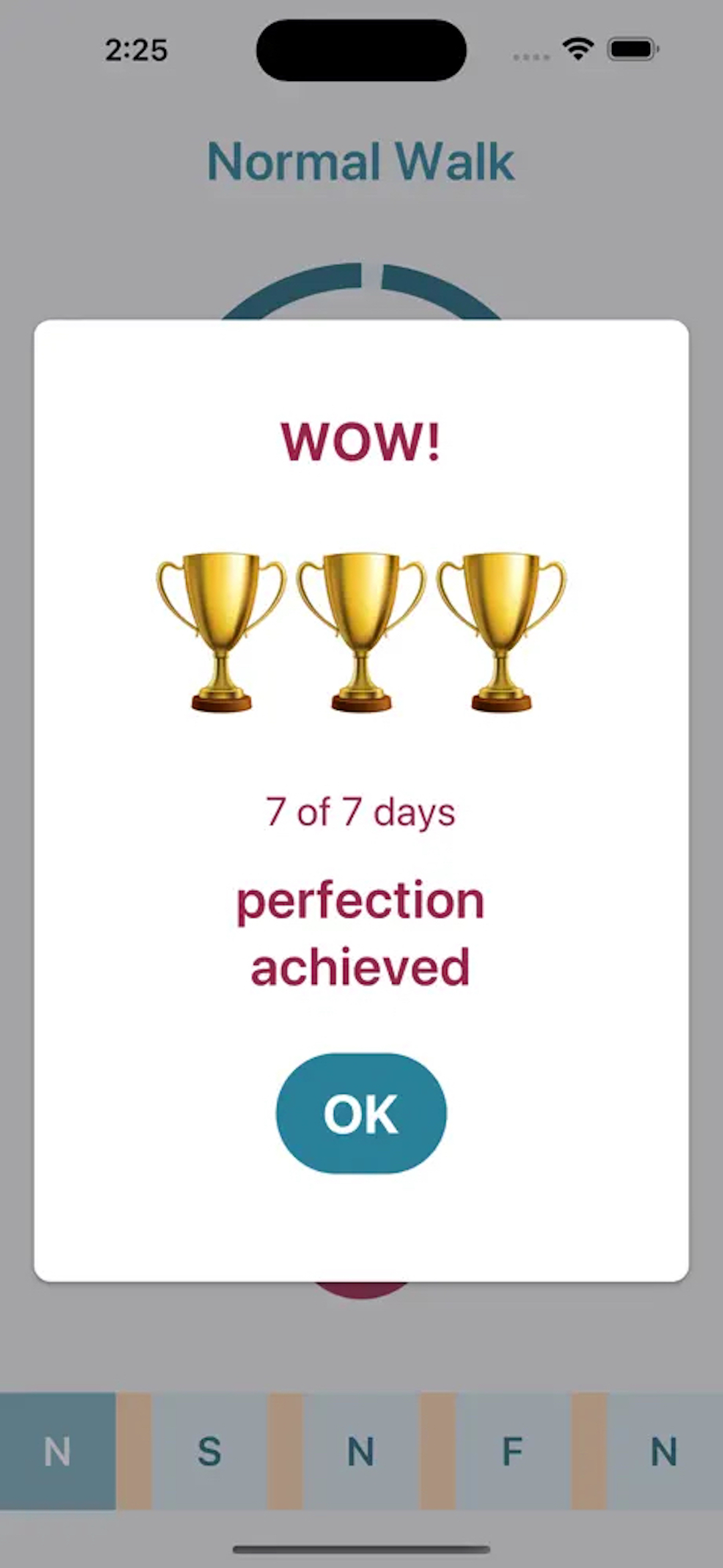
In a clinical trial involving 62 patients, half of the participants used the software to train their gait, while the others followed a traditional walking program known as the Otago Exercise Program (OEP).
Impressively, the results showed that those using the technology trained for an average of 150 minutes per week, compared to only 60 minutes for those following the traditional OEP.
The positive feedback from trial participants led the researchers to develop the app further, incorporating specific training sessions split into five different walks, along with rest periods.
In these sessions, users are guided to try walking at slow and fast speeds, as well as at a normal pace, providing them with a comprehensive training experience.
Parkinson’s sufferers can access Walking Tall for free on Apple iOS and Android stores. Hopefully, this application will prove to be a significant step forward in helping people with the disease enhance their overall quality of life and independence.
“Those who live with Parkinson’s Disease have to think about every single step they take. We asked them how much mental effort it takes for them to walk, and often they would say 100%,” explained Dr Matthew A Brodie.
“This app can give people confidence and also a sense of achievement that they can be empowered and do something for themselves to help their own condition.”
[via New Atlas and Fagen Wasanni Technologies, images via UNSW Sydney / Apple App Store]
This article was crafted with assistance from an AI engine, and has been manually reviewed & edited.


