
Internet Archive Faces Music Copyright Lawsuit Over Digitized Tracks Of Classics
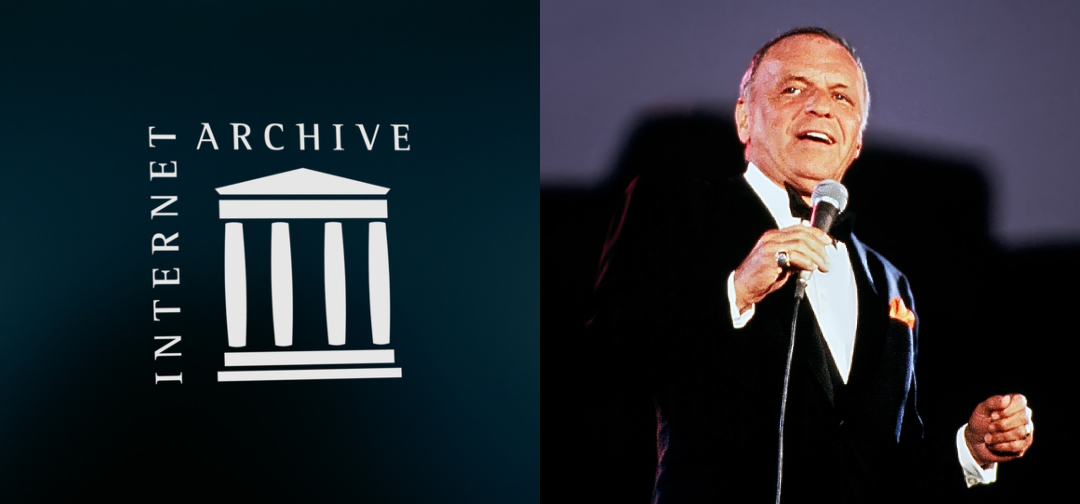
Several record labels, which include Sony Music and Universal, have accused nonprofit organization Internet Archive of copyright infringement. The lawsuit, a collision of modern digital archiving and decades-old music, is centered around the ‘Great 78 Project’.
Founded with the objective of democratizing access to knowledge, the Internet Archive, headquartered in San Francisco, has garnered a reputation for its comprehensive digital snapshots of websites, books, audio recordings, and assorted historical artifacts. However, the recent litigation throws a spotlight on its practices and principles.
The collective started the Great 78 Project, an endeavor to preserve and share a bygone era of music. This project aims to digitize over 400,000 historical pieces of work, including 78-rpm records, to safeguard them. Many of these are currently under legal scrutiny regarding being housed on the site.
At the heart of the legal battle is a contentious assertion that the Great 78 Project has become a virtual “illegal record store.” Plaintiffs argue that the Archive’s digital repository has surreptitiously transformed into a reservoir for copyrighted musical work by luminaries such as Louis Armstrong, Billie Holiday, Ella Fitzgerald, and Frank Sinatra.
Highlighted in the lawsuit are no less than 2,749 sound-recording copyrights that the labels claim have been encroached upon by the Archive. The financial stakes invoked could see the potential damages balloon to a staggering US$412 million, according to Reuters.
The lawsuit contends that while aiming to preserve yesteryears’ melodies, the Archive’s project is inadvertently hoarding thousands of copyright-protected recordings. Moreover, the songs are purportedly accessible via authorized streaming platforms, minimizing the risk of vanishing into obscurity.


