
World’s Most Expensive Painting, ‘Salvator Mundi’, Becomes Sell-Out NFTs
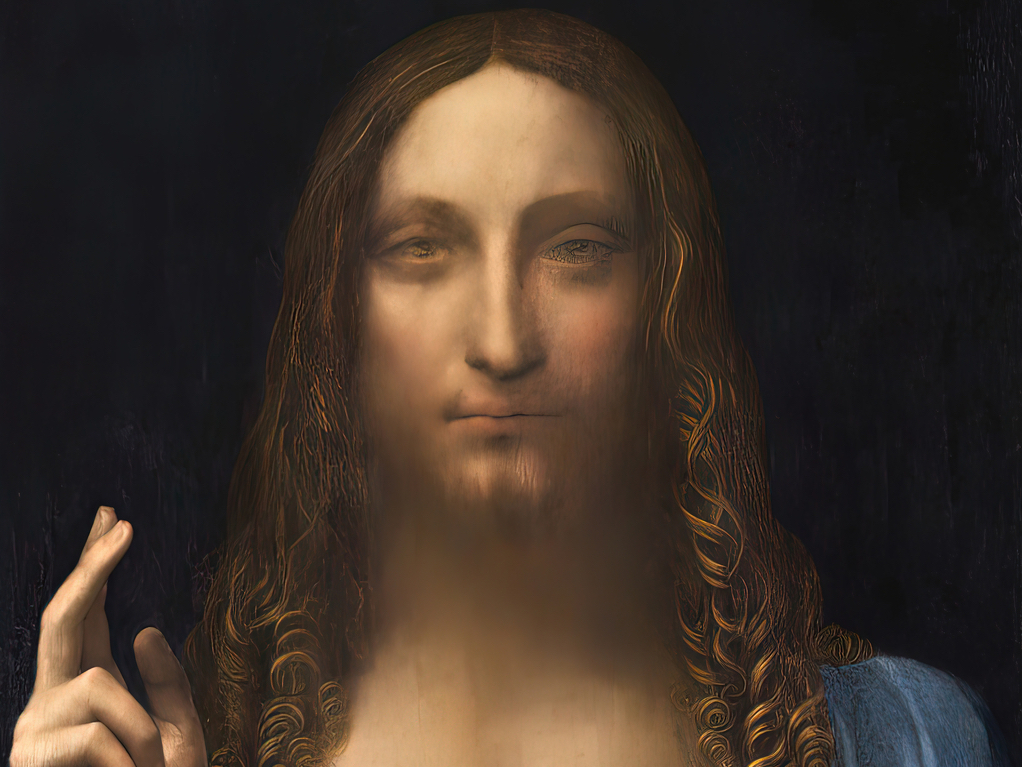
The art world is witnessing another intriguing renaissance of sorts as the iconic painting Salvator Mundi, by Leonardo da Vinci, gets reimagined as a non-fungible token (NFT).
Yes, that’s right. Despite a downturn in the crypto and NFT markets in recent months, there still seems to be enthusiasm with turning famed artworks into digital tokens.
The Salvator Mundi is regarded as the world’s most expensive painting after fetching an unprecedented US$450.3 million at Christie’s New York in 2017. The piece was sold after a two-person bidding war to a buyer on the phone who was a representative for the Saudi Arabia’s crown prince Mohammed bin Salman (MBS).
Currently, the whereabouts of the real painting is unknown, but digital asset platform ElmonX and image licensing company Bridgeman Images have teamed up to mint the legendary masterpiece to resurface it in the virtual realm. The duo has also teamed up for previous ventures in immortalizing famed artworks like the Mona Lisa, Starry Night, The Thinker, and Nymphéas as tokens.
The sale for the Salvator Mundi NFT commenced on August 12, unfolding in two distinct batches. The first features a digital rendering of the artwork, accompanied by a panoramic 360-degree perspective. Next is the ‘Artist Proof’ edition, which includes a physical fine art print matching the original’s size.
The digital variant, comprising 660 units, was priced at US$190 per piece, while the limited ‘Artist Proof’ version was made available in just 13 units, each fetching US$1,397.17. Currently, both iterations have garnered complete sell-outs on the ElmonX site.
With the physical showpiece now out of the public eye, would its virtual clones be enough to some day amass its monumental, real-world value?
[via ARTnews and The Art Newspaper, Photo 240550416© Younsi . | Dreamstime.com]


