
Rediscovered Guercino Painting Sees Its Price Hike From Four To Seven Digits
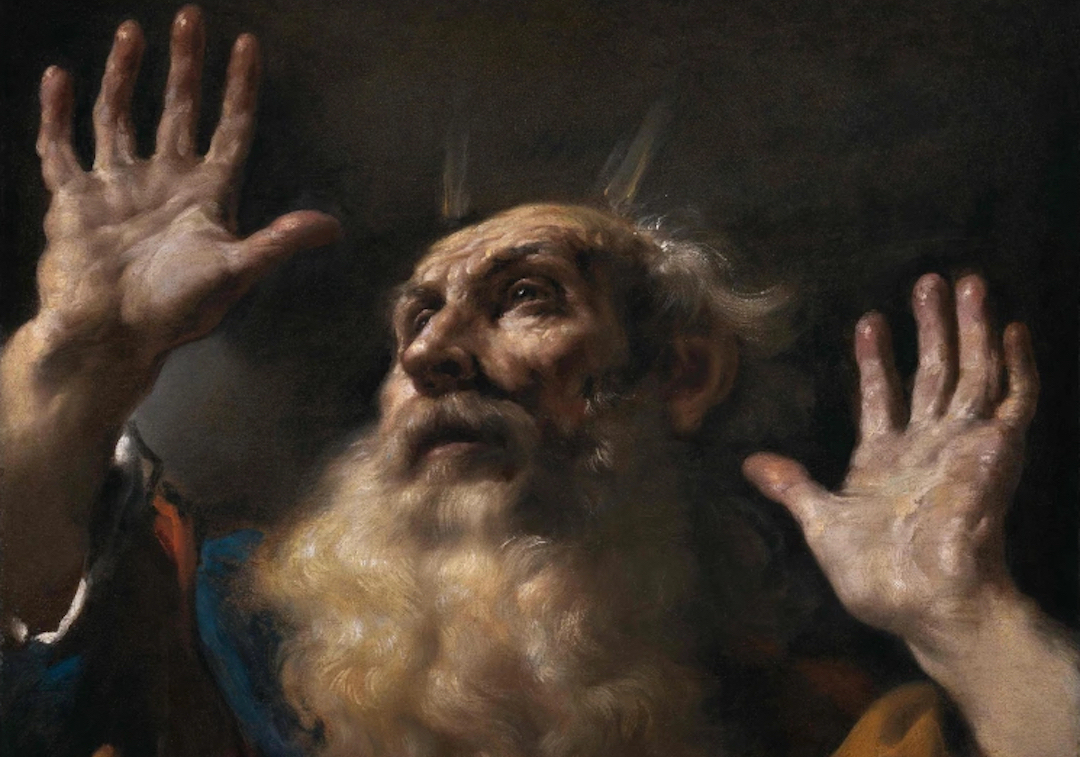
When the masterpiece Moses by the Italian Baroque Master Giovanni Francesco Barbieri, better known as Guercino, was first auctioned off in 2022, it had been misattributed to an anonymous follower of Guido Reni, a figure from the 17th-century Bolognese School.
However, after extensive research and restoration efforts recently, art dealership Moretti Fine Art announced that the painting is indeed a rediscovered artwork painted by Guercino himself.
It was initially sold in Paris for just €5,000 to €6,000 (US$5,175 – US$6,200), though with its provenance now established for certain, the new asking price for the once-lost work has jumped to a staggering €2 million (US$2.2 million).
For the unfamiliar, Guercino holds a significant place in the annals of art history. Following the passing of Guido Reni, he became the most influential painter in Bologna, solidifying his reputation as one of the foremost figures of the Italian Baroque period.
Moses is a prime example of the artist’s prima maniera, a term used to describe the works he created in Cento, a town outside Bologna, before his sojourn to Rome between 1621 and 1623.
The painting can be dated to around 1618-19, a period during which the young Guercino was in high demand, producing altarpieces for churches in Cento and easel paintings for private collectors.
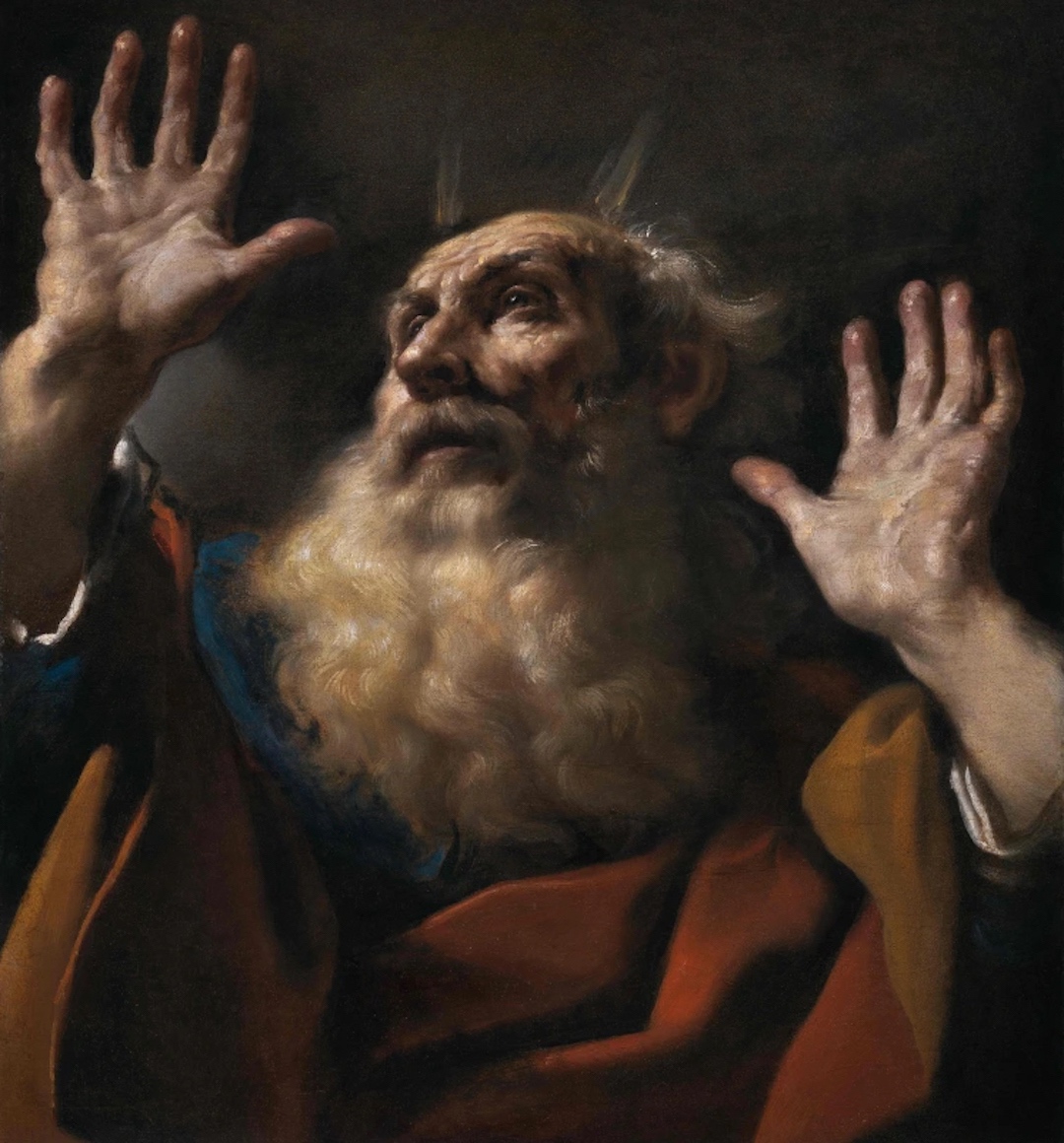
Glance at the work, and one will find light, fluid, and painterly touches characteristic of the maestro’s style, similar to his other works from the same timeframe, like King David (c. 1617-18) and Head of an Old Man (c. 1619-20).
Remarkably, it appears that Guercino employed the same model for Moses as he did for the figure of Elijah in Elijah fed by Ravens (1620), a painting now housed in the National Gallery in London.
Historical records indicate that the missing piece was first documented in 1624 in the esteemed collection of Cardinal Alessandro d’Este in Rome, as patron of the painter during his stay in Rome from 1621 to 1623.
While this period post-dates the creation of this particular painting, it’s possible Guercino may have presented or sold the painting to the cardinal as a gesture to strengthen their ties.
Following the death of Cardinal Alessandro d’Este, the artwork became part of the renowned Este ducal collections in Modena, where it remained until the Napoleonic era.
During the Napoleonic occupation of the Duchy of Modena (1796–97), the painting was then taken to France, and all traces of it were lost—till now.
[via Artnet News and The Art Newspaper, images via Moretti Fine Art]
This article was crafted with assistance from an AI engine, and has been manually reviewed & edited.


