
Visionary Car Design Is Built With Features To Reflect ‘Driving While Black’
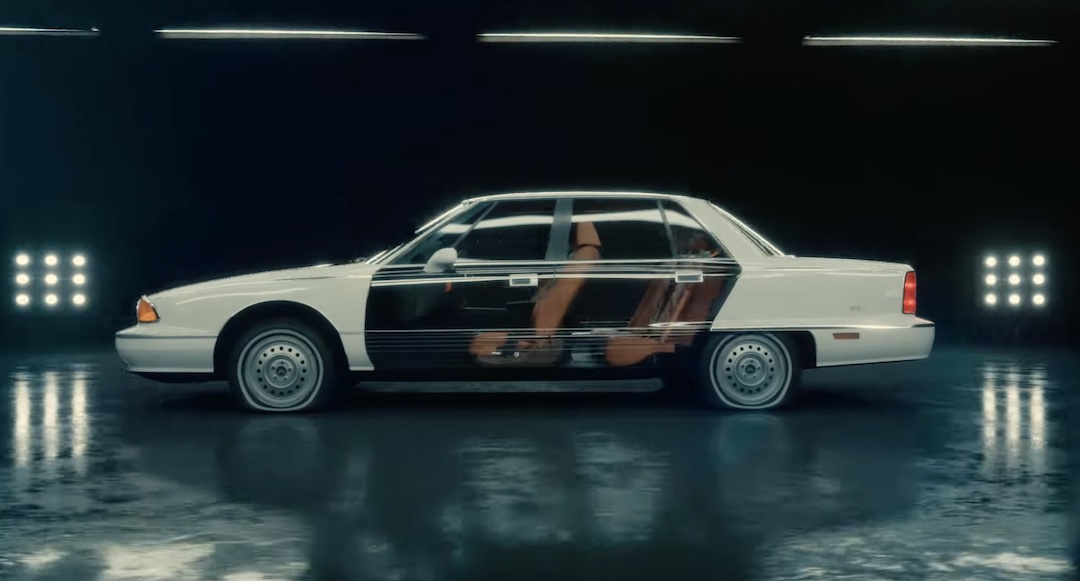
At the Detroit Auto Show, the Driving While Black (DWB) concept has made a striking debut, a result of collaboration between digital marketing company Critical Mass, advertising agency Goodby Silverstein & Partners, and the non-profit organization Courageous Conversation Global Foundation. Beyond its eye-catching design, this concept carries profound significance as it addresses a critical and profoundly entrenched issue in our society: racial disparities in policing and treating Black individuals. It seeks to combine design innovation with a poignant message of advocacy and awareness.
At its core, the DWB concept aims to shed light on the disparities in policing experienced by Black individuals. The car was inspired by an Oldsmobile 8LS that Philando Castille was driving in 2016 and murdered during a traffic stop in Minnesota. The DWB pays homage to others who have faced similar injustices.
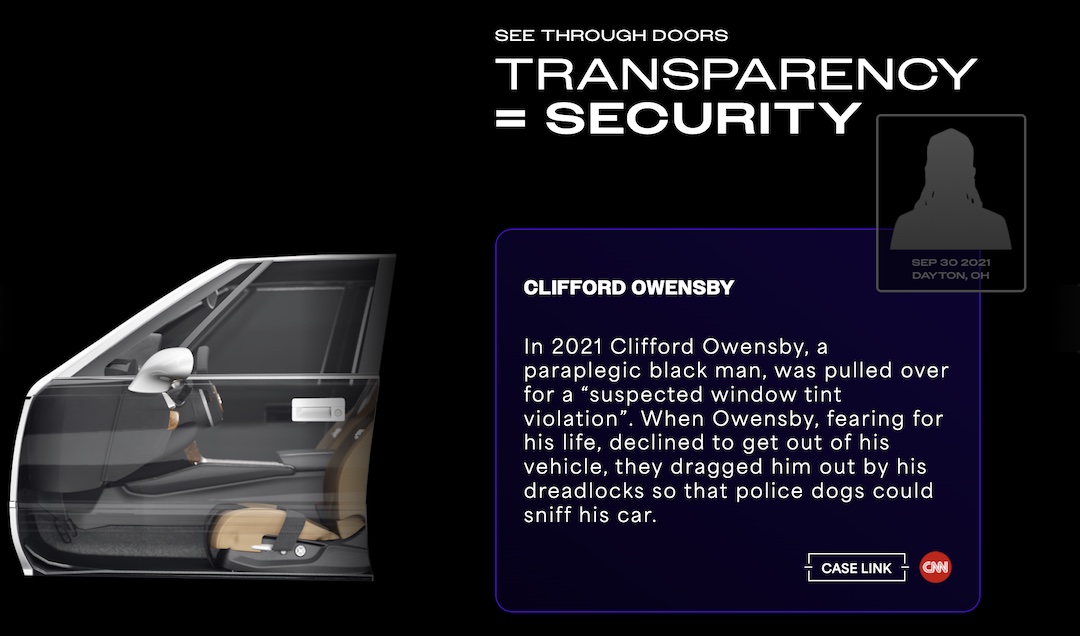
To achieve this, it incorporates several notable design elements. Transparent doors serve as a symbolic statement of a transparent body to prevent suspicion, while a ‘10&2’ steering wheel keeps one’s hands visible at all times.
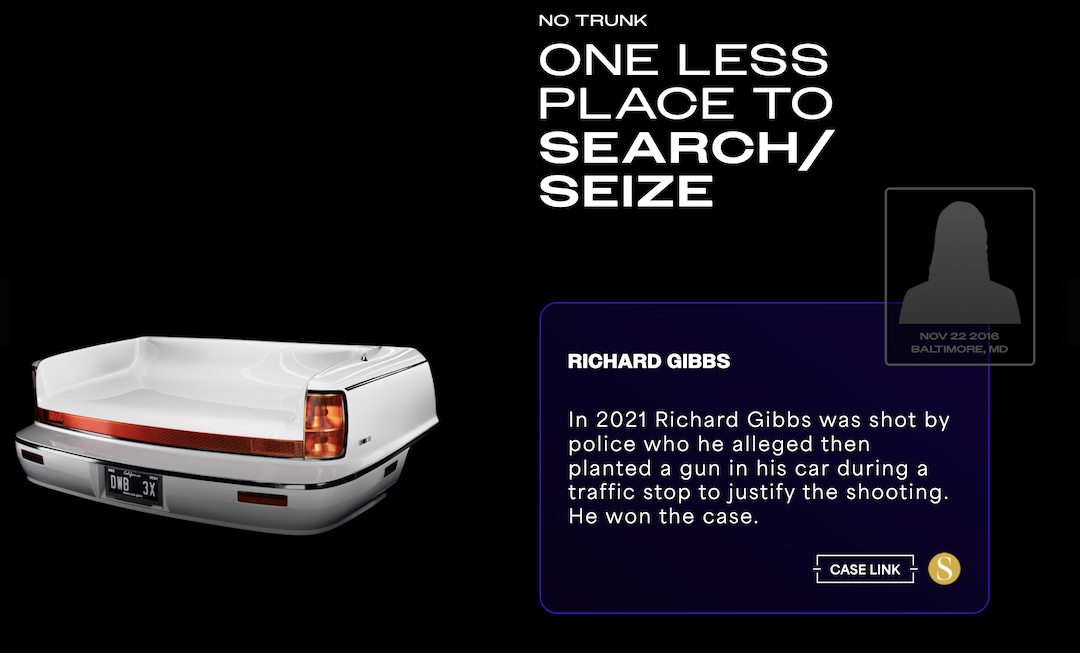
Areas like the glove box and the trunk have also been removed in an attempt to get the police to stop searching through them.
On the car’s windows, the DWB concept envisions a biometric scanner for contactless exchange of information, including fingerprints and driver’s licenses.
But most importantly, it doesn’t sport an engine. DWB’s creators state that until it’s safe for Black folk to drive in peace, they might as well not drive at all.
This concept underscores the harsh reality that Black drivers are statistically more likely to encounter stops, searches, and fatal outcomes during encounters with police officers. However, it’s essential to recognize that the experimental work, though thought-provoking, acknowledges that a car alone cannot remedy these deeply rooted issues. It serves as a digital creation to initiate conversations and raise awareness surrounding this pressing concern, pushing the boundaries of design’s role in addressing societal challenges.
[via Muse by Clio and Carscoops, images via DWB]


