
LEGO Forgoes Efforts To Produce Oil-Free Bricks—It’s ‘Disappointing,’ Says Chief
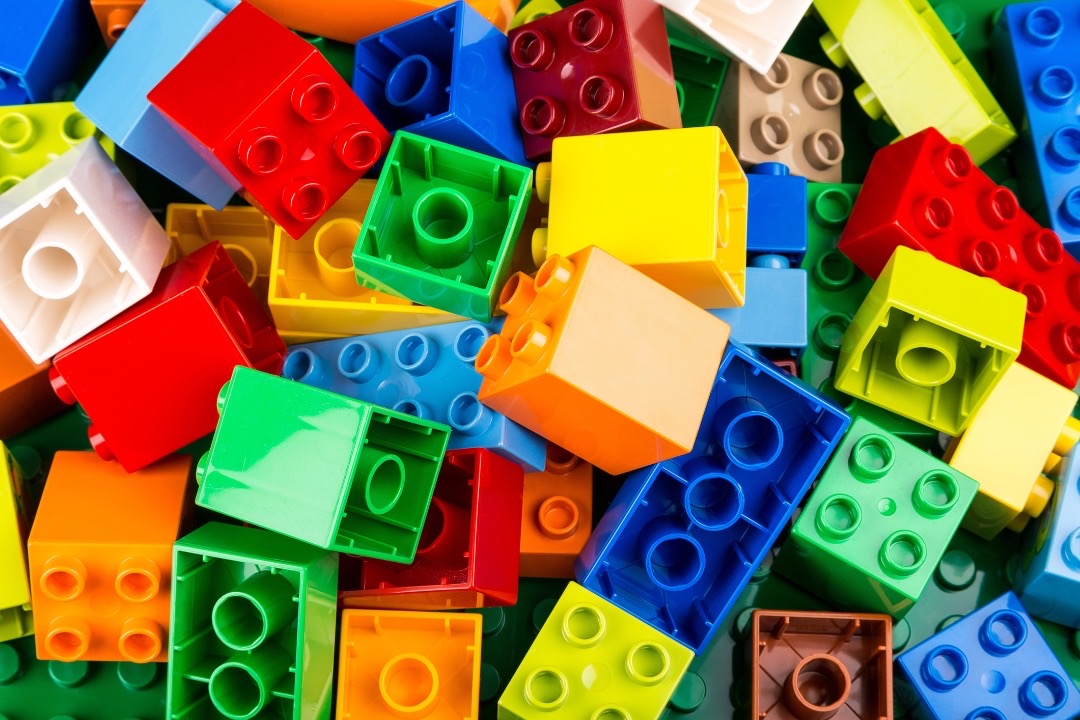
Photo 62881268 © Oleg Dudko | Dreamstime.com
LEGO’s ambitions to make its plastic kingdom oil-free have taken a tumble after years of effort.
In a quest to make its iconic bricks more eco-friendly, the toymaker began reimagining its pieces using recycled plastic bottles. It worked on replacing the petroleum-based acrylonitrile butadiene styrene (ABS) material, which makes up 80% of its bricks, with recycled polyethylene terephthalate (PET).
ABS, with its heavy reliance on petroleum, had been a target for LEGO to make its products greener. You would need 2kg (4.4 pounds) of it to make 1kg of plastic, per the Guardian.
Over 150 LEGO employees dedicated their efforts to sustainability, and in 2021, the brand presented its first-ever recycled plastic part. However, the journey took a less ideal turn. Contrary to expectations, these sustainable bricks ended up consuming more emissions than their traditional counterparts.
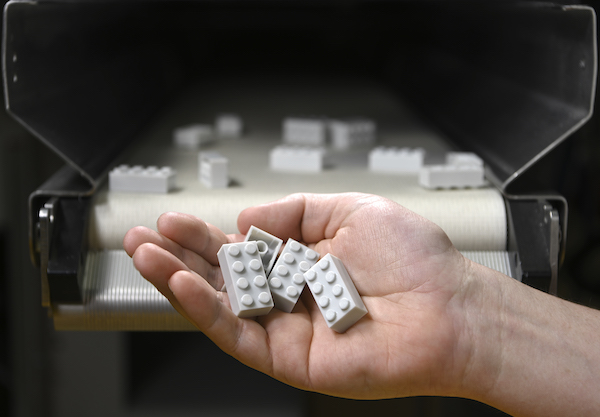
Image via LEGO
LEGO’s head of sustainability, Tim Brooks, likened the experience to making “a bike out of wood” instead of steel, according to a report by the Financial Times. The reimagined bricks were softer and required mixing with other materials for structural integrity, as well as necessitated more energy for processing and drying.
In 2021, the company also cited “clutch power” as one of the strengths that came with using its original plastic material, and something it hoped to achieve with the replacement.
LEGO had to revamp its entire production process to scale up oil-free brick production, inadvertently increasing its carbon footprint. “It was disappointing,” expressed the brand’s chief executive Niels Christiansen, highlighting its extensive experimentation with various materials without finding a “magic” ingredient.
To compensate, the toymaker intends to incorporate more bio-based and recycled materials into its ABS bricks. Additionally, the company is devoting US$3 billion annually into sustainability by 2025, triple its initial commitment, all while ensuring not to pass on the cost to customers.
[via The Guardian and Reuters, images via various sources]
This article was crafted with assistance from an AI engine, and has been manually reviewed & edited.


