
Disney Breathes Its Adorable Robot To Life By Leaning Into Character Animations
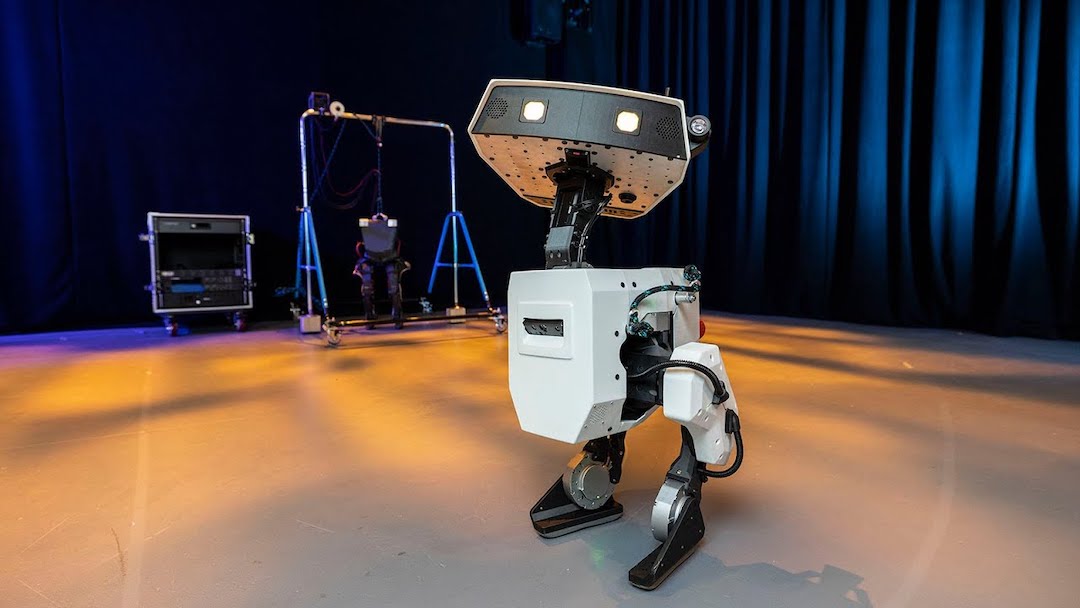
The field of robotics is constantly evolving, and Disney is looking to transform our perception of how robots move and interact. Often, droids are considered clunky and awkward, lacking smooth mobility as they walk or move around. However, the animation behemoth’s newest creation seeks to challenge this perception by imbuing machines with genuine personality and grace. Taking inspiration from the BD-1 design featured in the Star Wars Jedi: Fallen Order video game, this bi-pedal bot is poised to revolutionize how we view mechanical movement.
Its physical design is characterized by its compact body, bird-like reverse legs, and a somewhat flattened head with facial expressions akin to Wall-E. In fact, its endearing dog-like movements make it seem friendly and approachable.
Disney has set long-term objectives to imbue its robots with style and character, which is achieved through a systematic approach. This approach combines stylized movements crafted by animators with machine reinforcement learning, striking a balance between adhering to physical limitations and enabling expressive motions.
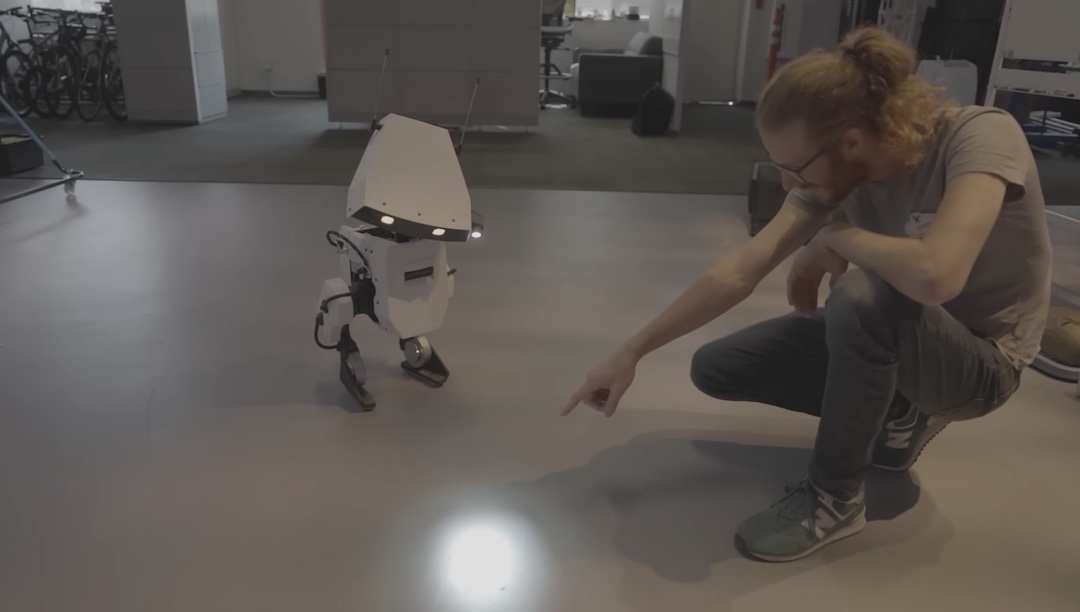
In a description provided with its video, Disney describes using its procedural animation (basically the way a character walks, struts, prances, and more) and mixing it with modular hardware and reinforced learning to design a droid that can essentially bring to life its animations within just a few months.
In the demo, the little bi-pedal robot immediately comes off as curious, precocious, and endearing as employees play around with it. And, despite not having a voice, its actions do plenty to create a personality for itself.
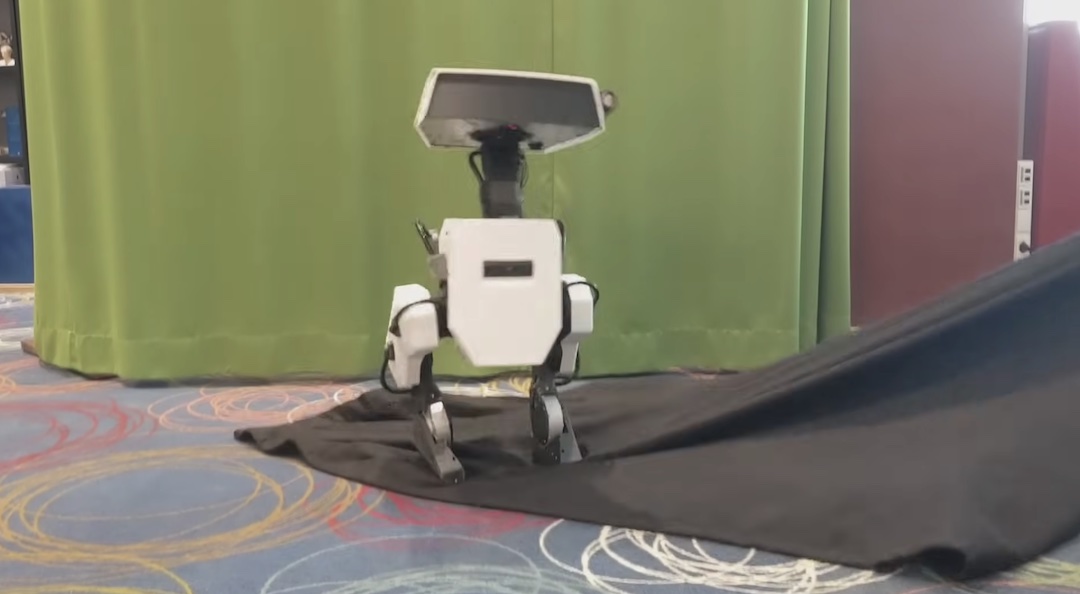
As far as its mobility goes, it can handle being nudged, led by a leash, and navigating rocky and hilly terrain out in the wild.

While the prospect of seeing live-action bots in Disney theme parks is intriguing, the true value lies in enhancing communication and fostering connections between humans and droids. Body language is pivotal in achieving this, with various forms of expression serving different purposes.
For instance, robots like this one that mimic cartoon characters and small animals can evoke a softer reaction from people. Security droids, for example, can benefit from being able to adapt to situations and switch from friendly and welcoming to assertive and intimidating. Similarly, household android assistants may adopt region-specific body language to ensure people feel comfortable around them.
Even in more intimate contexts, expressive body language may be essential. Future developments may lead to robots capable of analyzing and adjusting their body language to align with the people they interact with, offering a seamless and natural interaction.
[via New Atlas and IEEE Spectrum, screenshots via Disney Imagineering]


