
Parthenon Marbles’ True, Brilliant Colors Have Come To Light
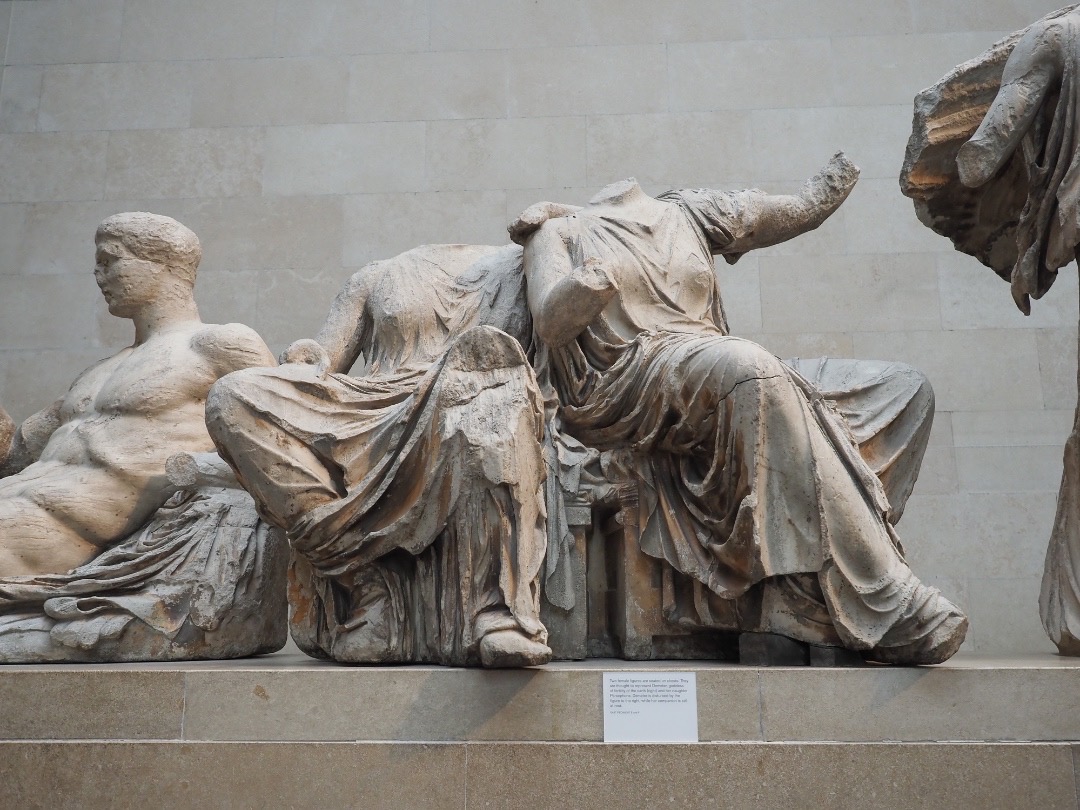
Photo 268224253 © Claudiodivizia | Dreamstime.com
The Parthenon Marbles, also known as the Elgin Marbles, are a collection of classical Greek sculptures and architectural ornaments that originally adorned the Parthenon temple atop the Acropolis in Athens. Carved primarily from Pentelic marble, these magnificent sculptures date back to the fifth century BCE and are a prime example of ancient Greek artistic mastery, evoking scenes from mythology, religious rituals, and everyday life.
Today, they’re situated at the British Museum, where they’re celebrated for their timeless, white brilliance. But it turns out visitors haven’t yet seen their true colors. Recent imaging techniques have presented traces of the original paint that used to imbue these ancient marvels, showcasing their vibrant past.
Gods, mythical beasts, and their stories were discovered to have been painted in hues like Egyptian blue, white, and purple, each color symbolic of their narratives. The researchers from King’s College London, the British Museum, and the Art Institute of Chicago employed sophisticated digital imaging and scientific tools to scrutinize the sculptures at the microscopic level.
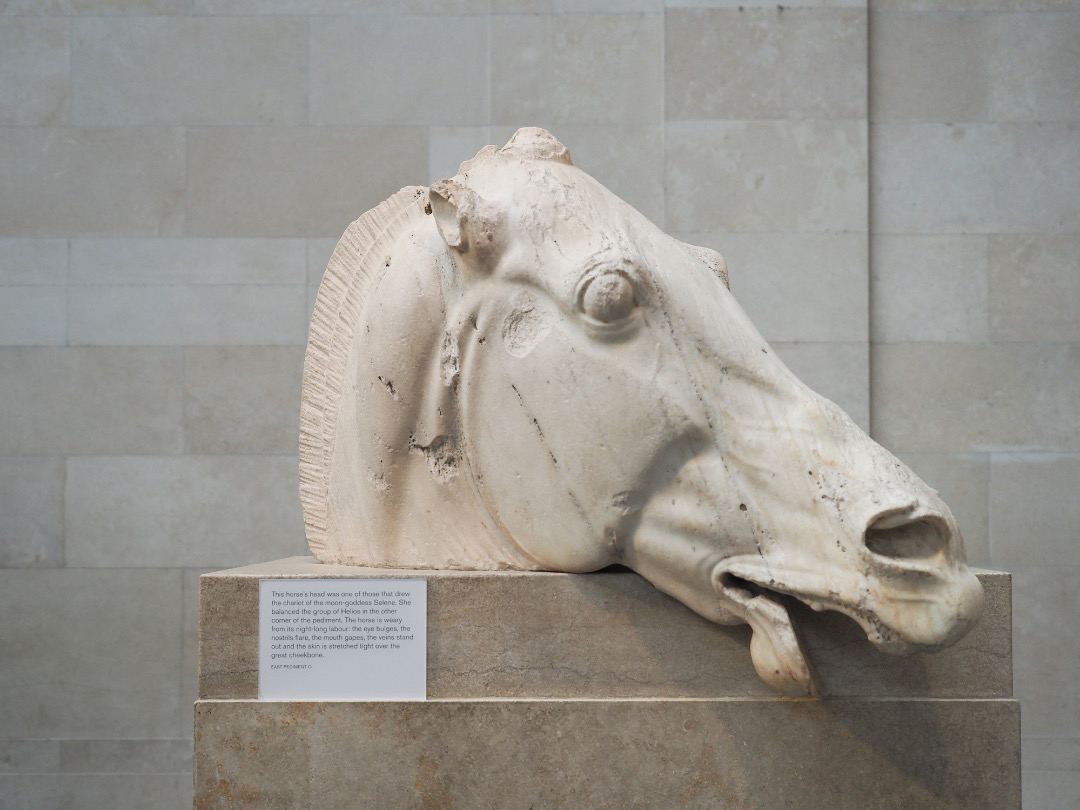
Photo 269125329 © Claudiodivizia | Dreamstime.com
Surviving paint samples illustrated that the sculptures were a tapestry of colors, patterns, and designs that were more intricate than originally thought. Egyptian blue, for instance, was used to depict snakeskin and water, while purple lined deities’ garments.
The team’s findings, published in the journal Antiquity, were made possible by visible-induced luminescence imaging, a non-invasive technique capable of detecting traces of a pigment known as Egyptian blue. This pigment, composed of calcium, copper, and silicon, was prevalent in ancient Egypt and Greece, providing a rich blue hue. Additionally, minute traces of white and purple pigment were detected.
“The Parthenon Sculptures at the British Museum are considered one of the pinnacles of ancient art and have been studied for centuries now by a variety of scholars. Despite this, no traces of color have ever been found and little is known about how they were carved,” comments Dr Giovanni Verri from the Art Institute of Chicago.
Paint rarely endures the test of time, especially when exposed to centuries of weathering. Further, sculptors seemed to be more fixated with replicating textures like wool and skin in marble than sourcing special materials to extend the longevity of pigments.
Thus, the prevailing belief was that ancient Greek art relied solely on pristine white marble. Historical efforts to “restore” the sculptures to white further obscured their vivid past.
However, these new revelations underscore the importance of color alongside the craftsmanship of ancient Greek sculpture, shedding light on a vibrant, yet long-forgotten, aspect of their rich history.
In more art history, scientists have unraveled even more secrets from the enigmatic Mona Lisa.
[via ARTnews, Live Science, King’s College London / Phys.org, images via Dreamstime.com]
This article was crafted with assistance from an AI engine, and has been manually reviewed & edited.


