
Trawl Through The Spookiest Iterations Of Boogeyman From All Over The World
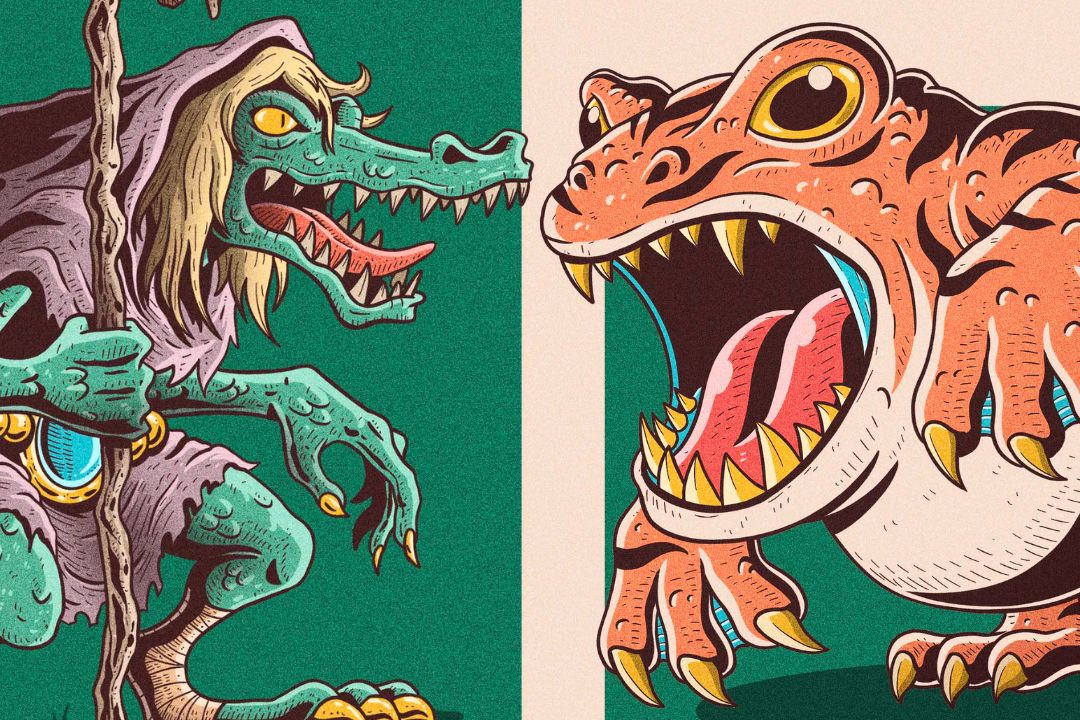
Mythical creatures have long played a role in cultures around the world, serving as a source of discipline for misbehaving children and acting as the fuel for terrifying nightmares.
From the Boogeyman in Western culture to Krampus in parts of Europe and the Ninki Nanka in Africa, these figures are invoked to enforce good behavior among youngsters.
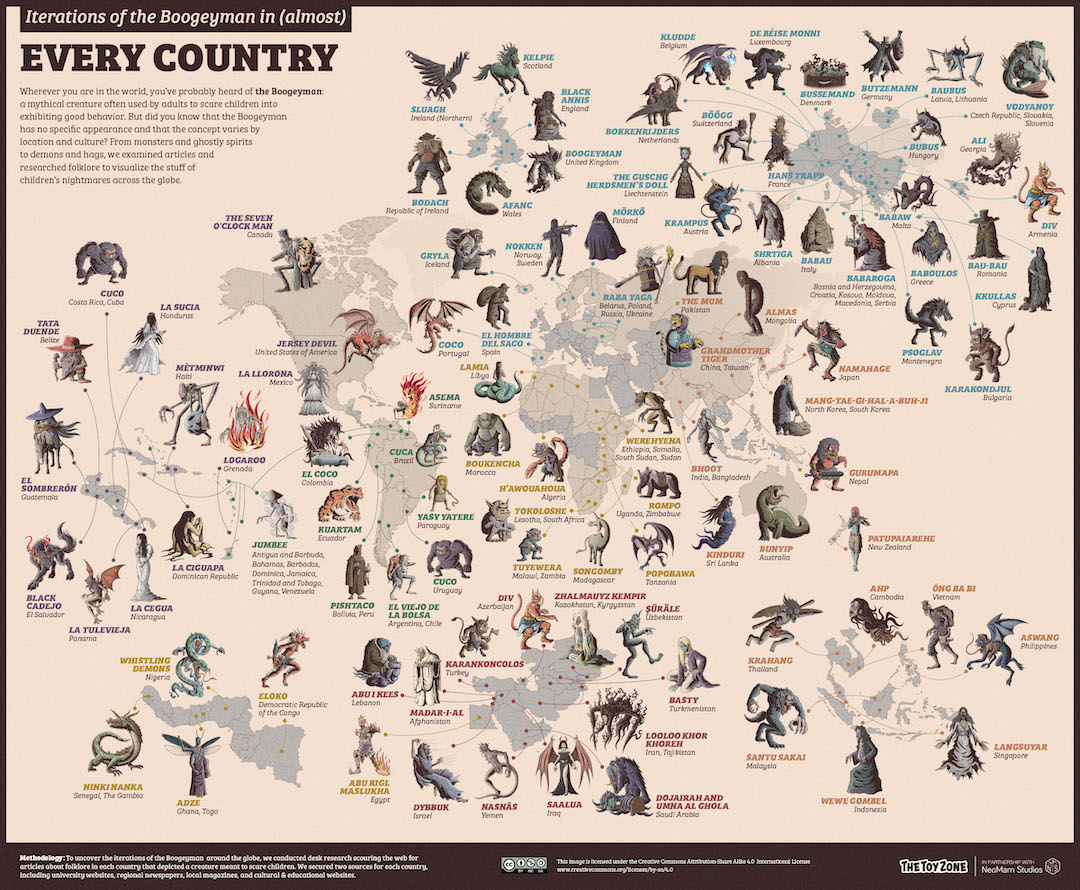
The mere mention of a local boogeyman’s name, like Australia’s Bunyip or China’s Grandmother Tiger, can send chills down a child’s spine, ensuring they toe the line lest they be spirited away or meet a grim fate.

But can these mythical creatures have a positive influence on children beyond just scaring them into obedience? It appears that the answer lies in how these creatures are introduced.

While outright terrifying a child with tales of these creatures is not recommended, mythmaking can actually be a constructive and engaging way to navigate tricky situations.

According to psychologists, this use of allegorical figures and dramatization helps children process their emotions and develop an understanding of how the world works.

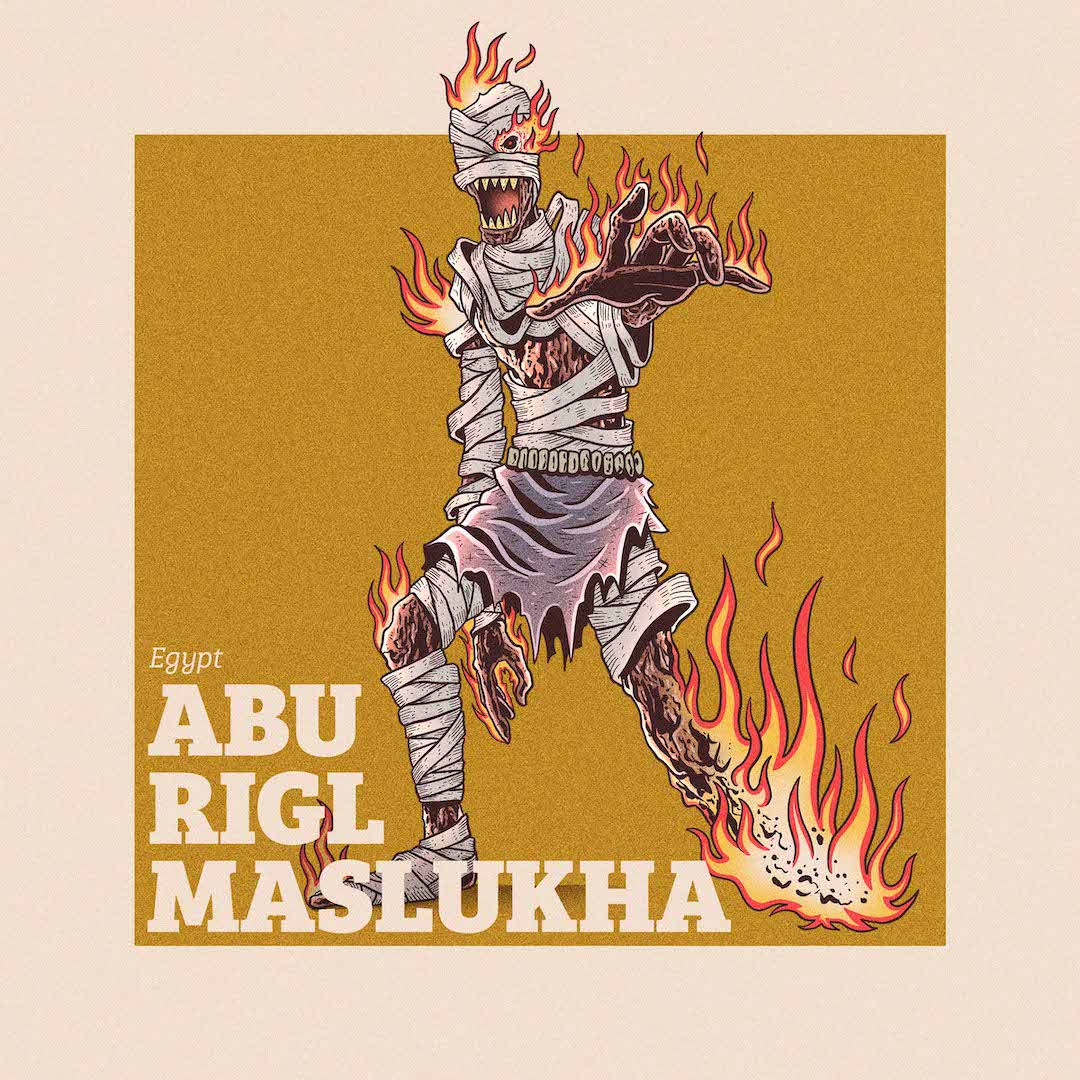
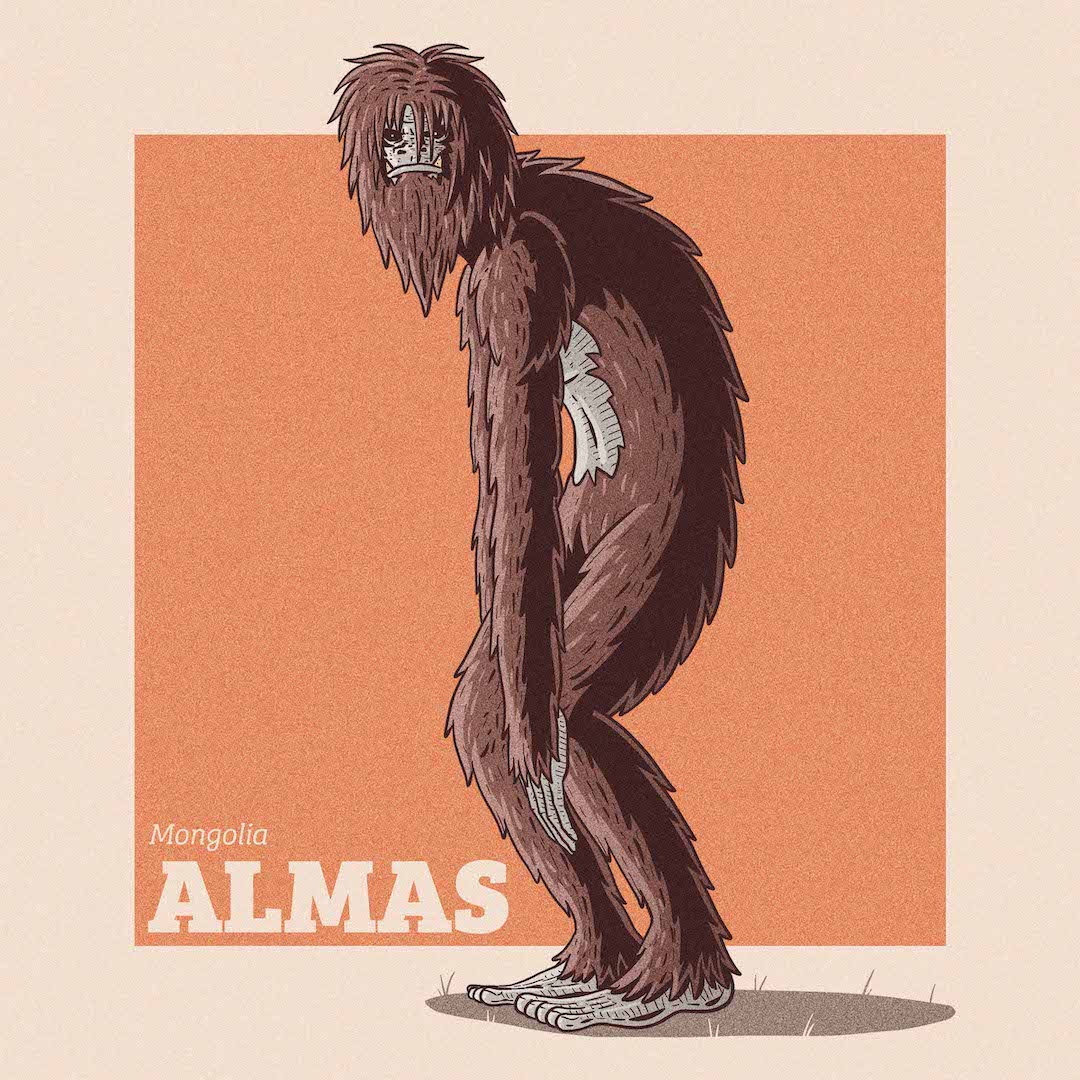
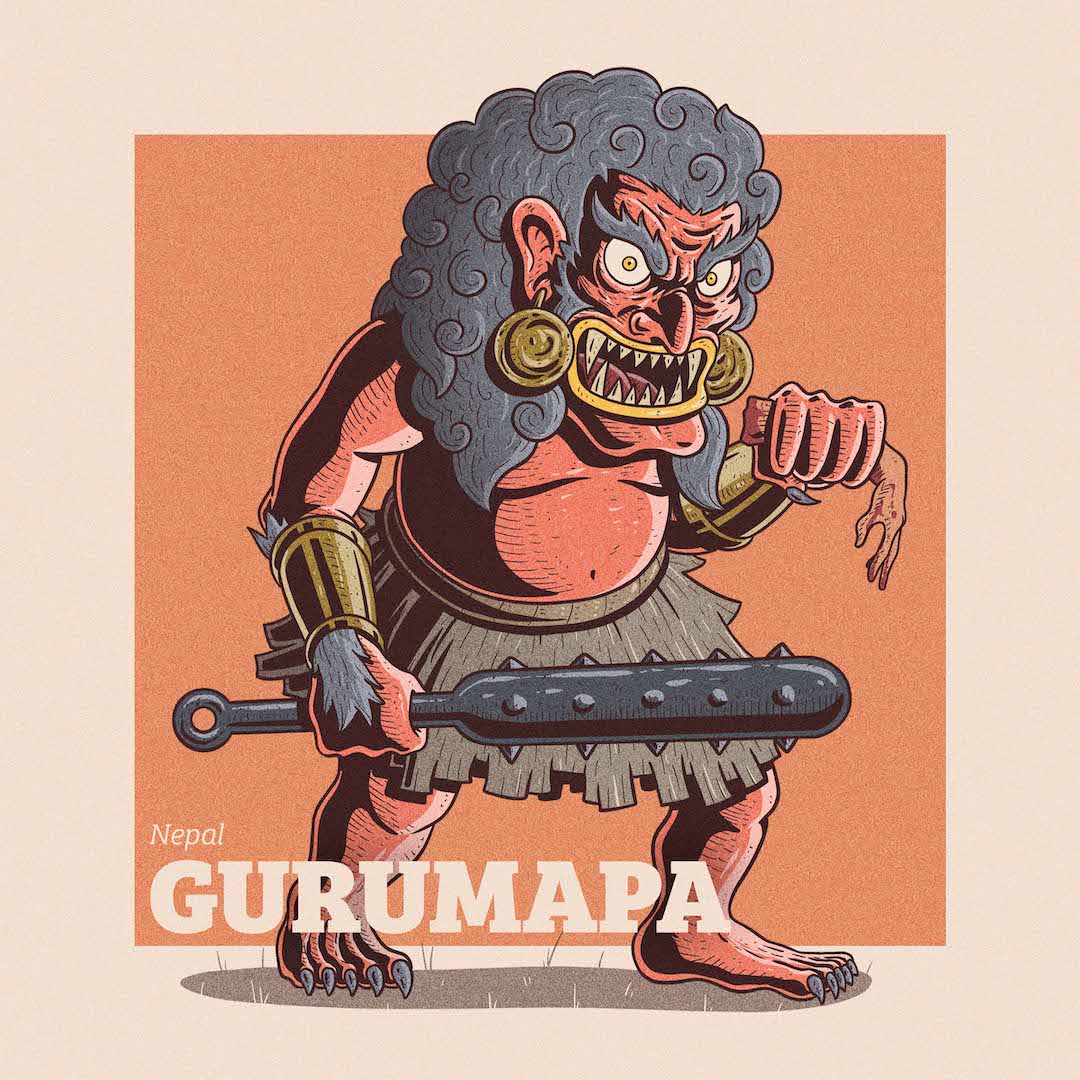
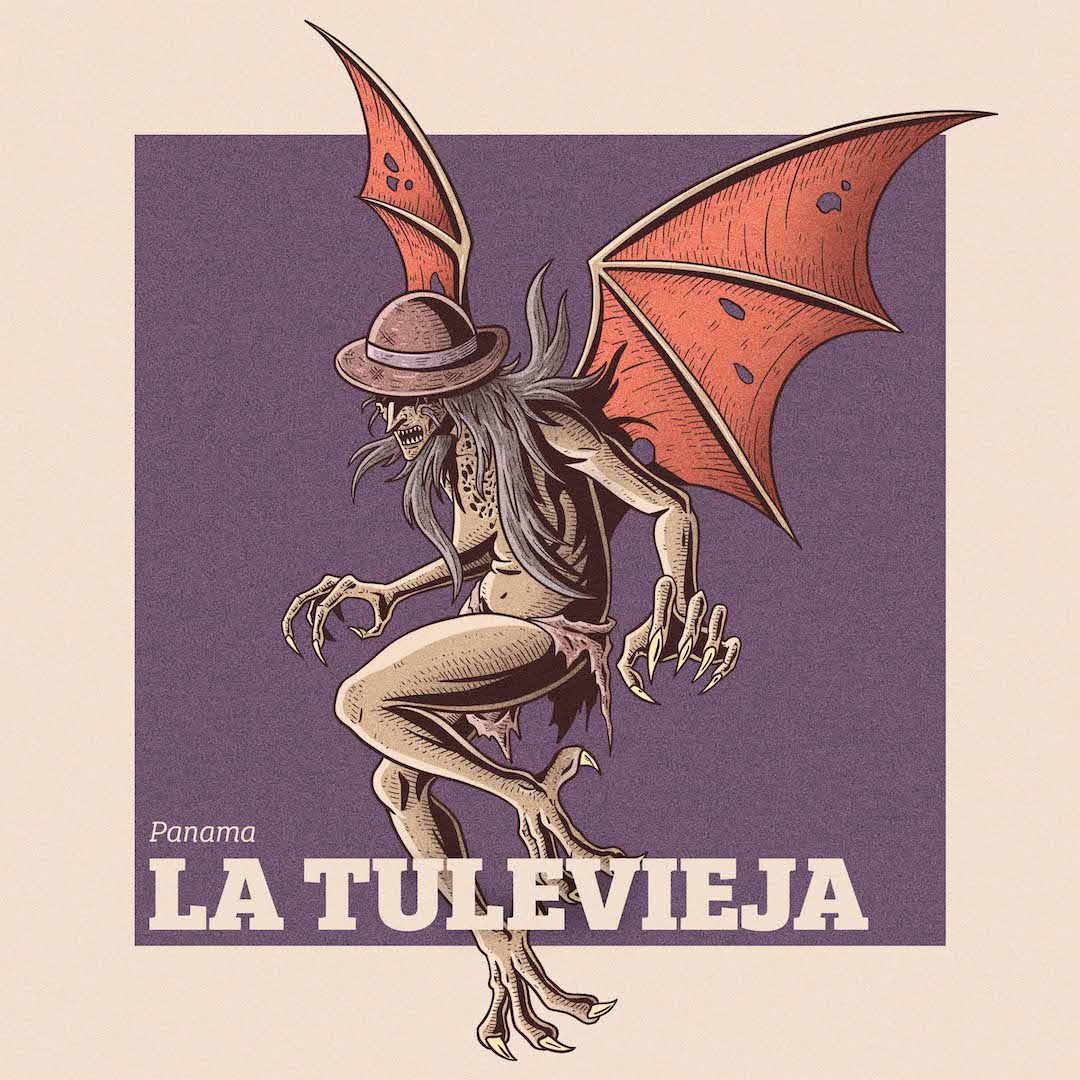
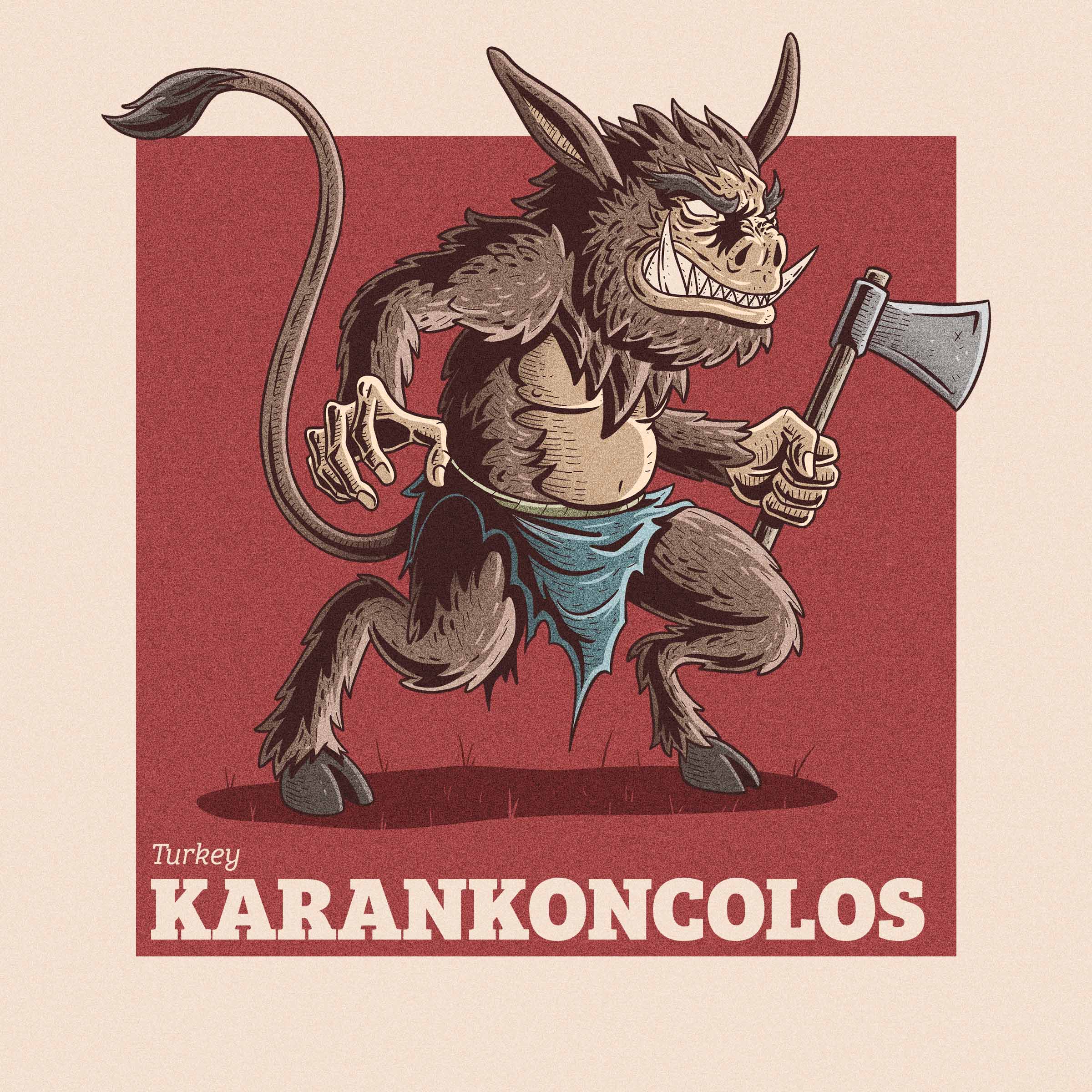
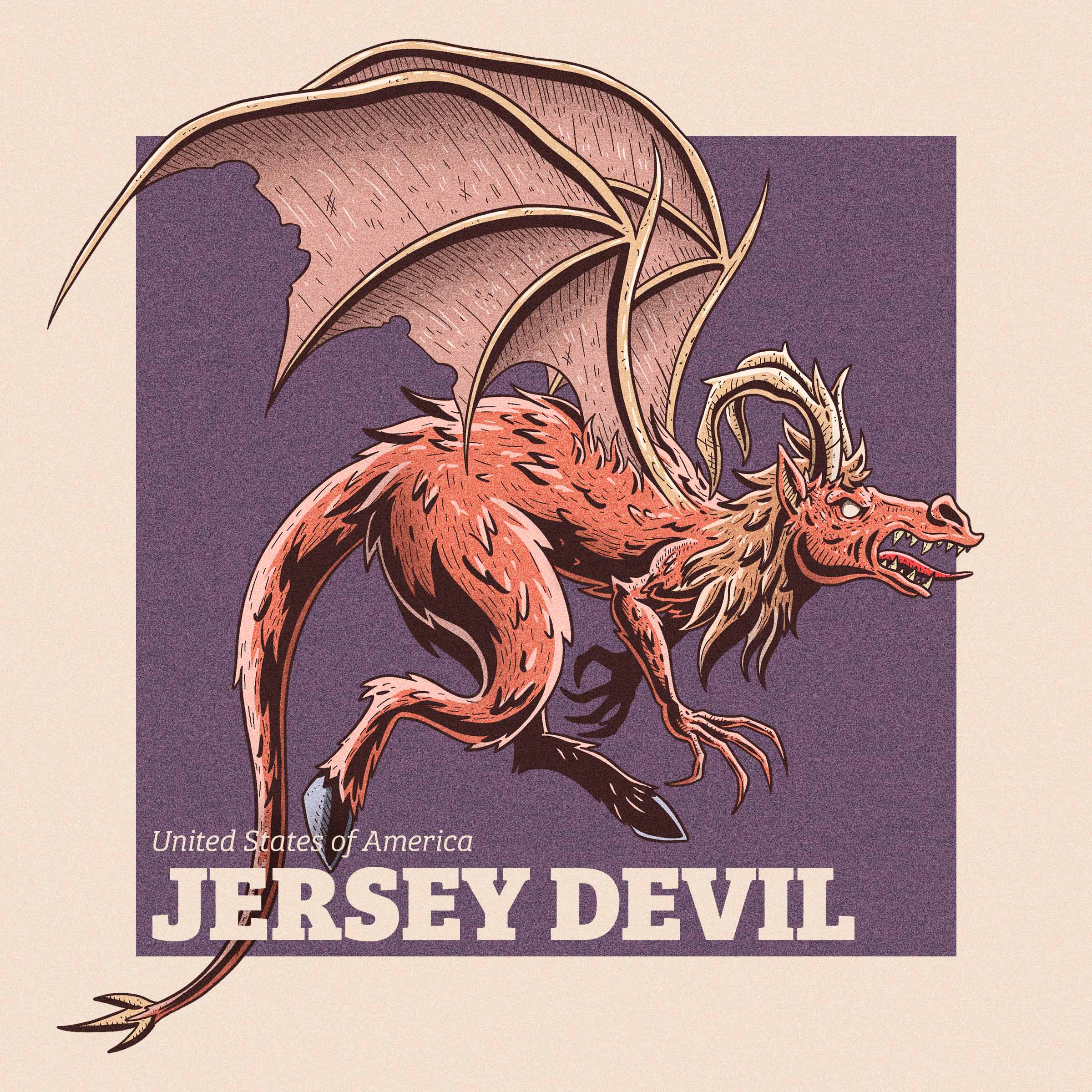
As Halloween approaches, TheToyZone has delved into books and articles to unearth some of the most unique examples of local boogeymen worldwide.

These creatures, often used in cautionary tales, offer an intriguing insight into the diverse ways different cultures use folklore to teach children about behavior and consequences.

The team scoured existing folklore articles from various countries that featured iterations of the boogeyman, selecting ones that closely matched the description of the region’s most well-known legend.
Be it for a nostalgic trip down memory lane or for those considering introducing these figures to younger ones, here’s a look at the most talked-about mythical creatures through the centuries all over the world.


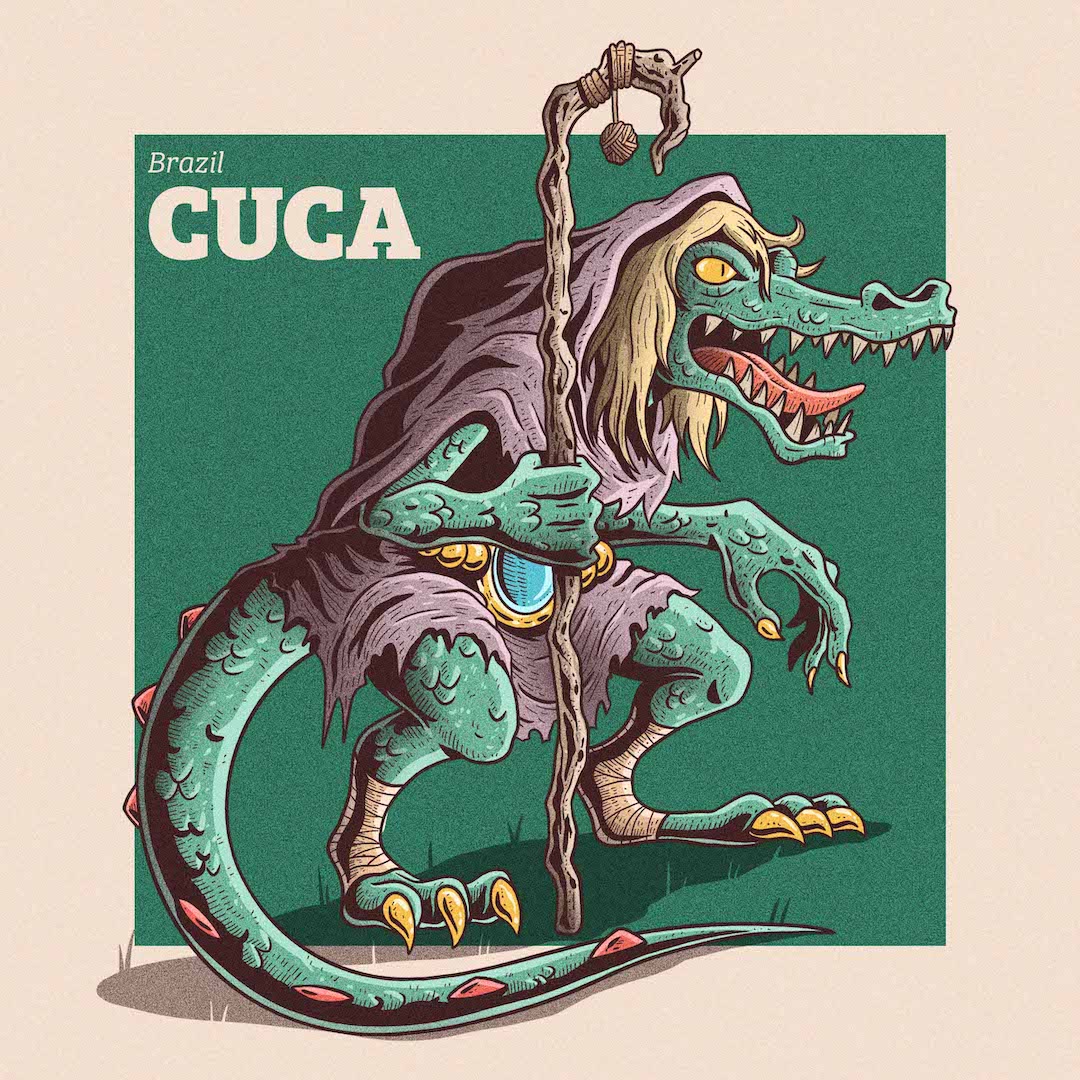


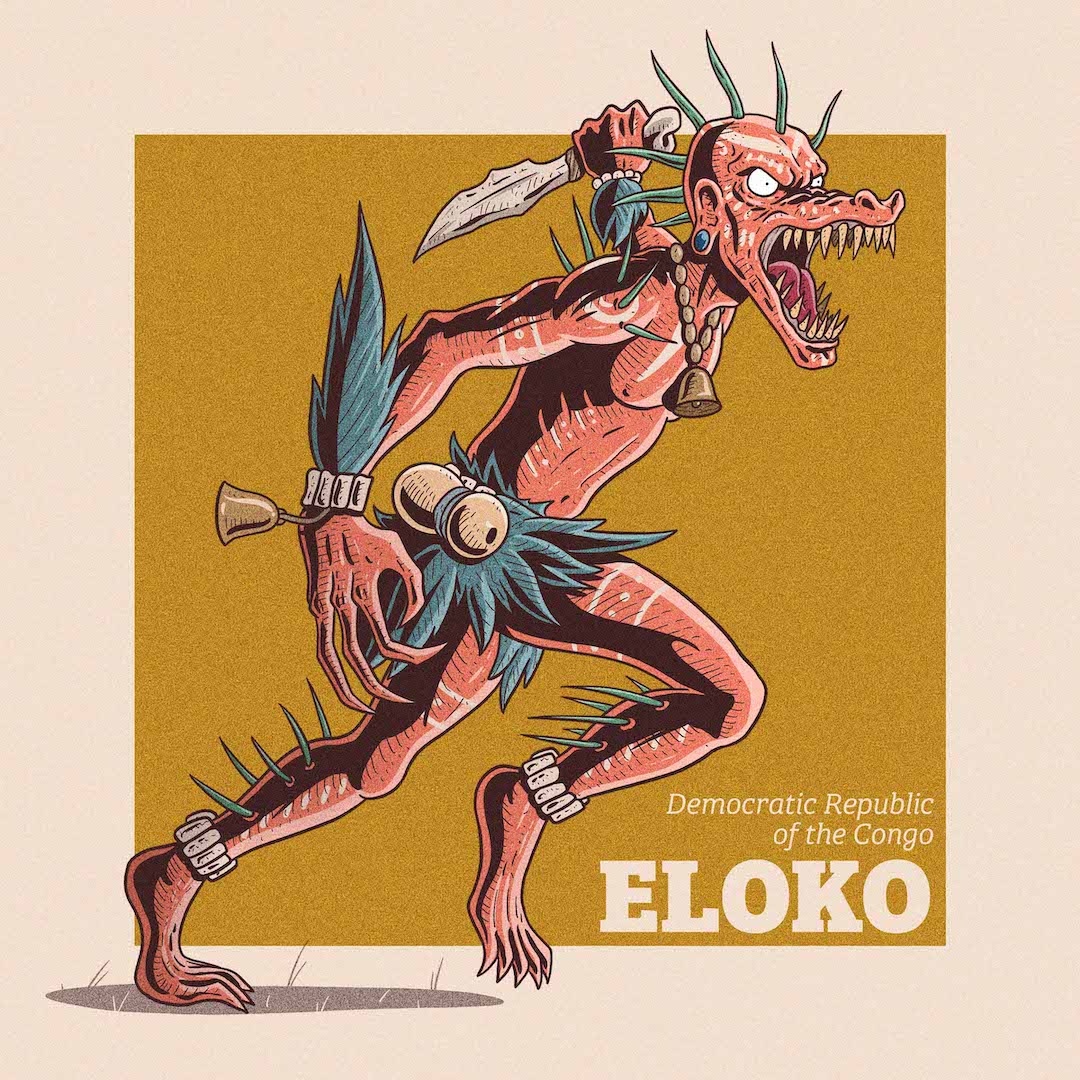




[via TheToyZone, images courtesy]
This article was crafted with assistance from an AI engine, and has been manually reviewed & edited.


