
Xiaomi Showcases Its First-Ever EV, Built By Ex-Mercedes & BMW Designers
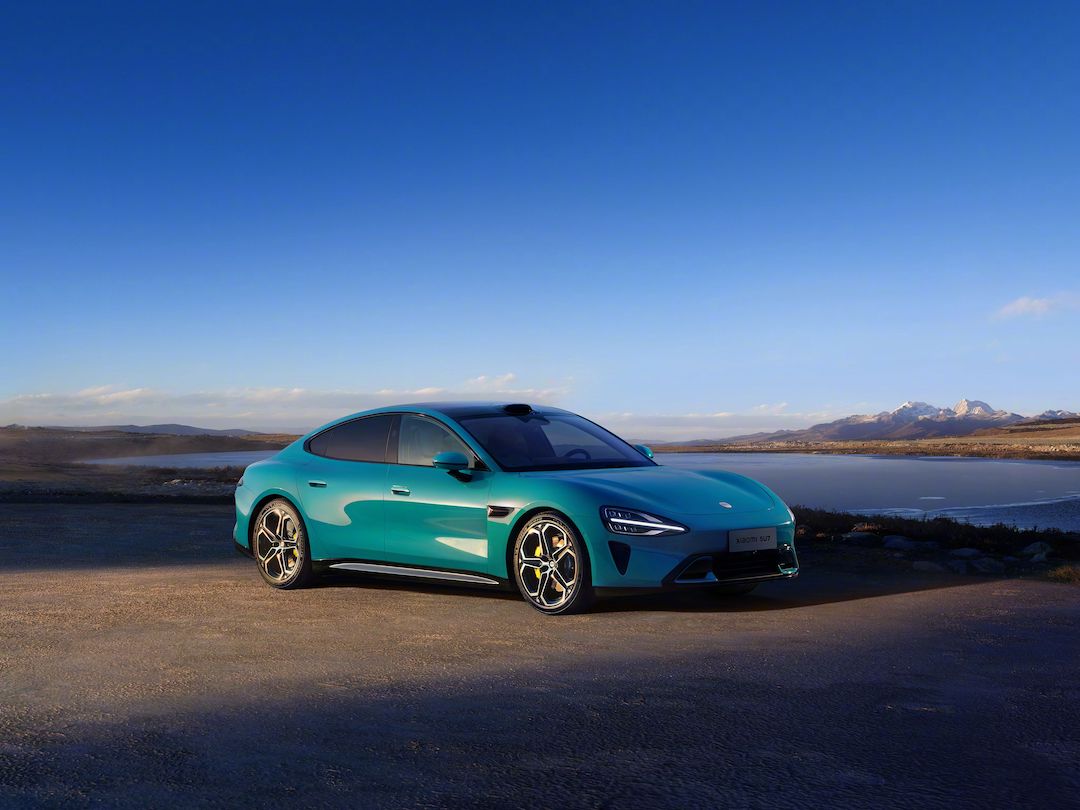
Image via Lei Jun
Xiaomi, the Chinese tech giant better known for its Android smartphones and electronic gadgets, is now revving up in the fast lane with the unveiling of the SU7, its inaugural venture into the electric vehicle arena. The shift in gears marks a bold venture into an industry dominated by the likes of Tesla and traditional car manufacturers redefining their electric futures.
The SU7, also dubbed Speed Ultra, or “Sue Qi” in Mandarin, is Xiaomi’s rival for high-performance electric vehicle stalwarts such as Porsche’s Taycan and Tesla’s Model S—boasting a design team consisting of veterans from BMW and Mercedes-Benz.
#XiaomiSU7 is creating a stir at Xiaomi Campus. pic.twitter.com/x5RU9OgQyc
— Lei Jun (@leijun) December 29, 2023
Leaning into its roots, Xiaomi’s car is designed to integrate with the company’s ecosystem of smart products, from phones to home appliances, combining it with “super electric motor” technology.
#XiaomiSU7 vs. #XiaomiSU7Max
— Lei Jun (@leijun) December 28, 2023
Which one fits you? pic.twitter.com/QYylp7l2Rl
The SU7 comes in two options, including the powerhouse dual-motor all-wheel-drive SU7 Max and a more subdued single-motor rear-wheel-drive setup. Speeding into the details, both models tout up to 664 horsepower and a 0–62 mph time that rivals the quickest in the business.
The range is impressive, even in the winter. #XiaomiSU7 pic.twitter.com/usoUmoDzC9
— Lei Jun (@leijun) December 28, 2023
Range and performance are central to the SU7’s appeal, with the vehicle boasting up to 497 miles on a single charge for the all-wheel-drive version.
Powerful performance and ultimate driving experience are at the heart of #XiaomiSU7. pic.twitter.com/5PfzRSBsKl
— Lei Jun (@leijun) December 28, 2023
Colorways inspired by our natural surroundings add organic depth. There’s Aqua Blue, a mesmerizing hue drawn from the essence of water found 60 meters below sea level, bringing a sense of calm and depth to the vehicle’s appearance. Mineral Gray takes its cue from the rugged, enduring rock layers of the Yardang landform, presenting a serene and grounded look that's both understated and commanding. Meanwhile, Verdant Green is a dynamic shade with a golden reflection layer over a pearl finish, radiating brilliance and vitality, especially under the sun.
Which #XiaomiSU7 color wins your first glance? Agua Blue, Mineral Gray, or Verdant Green? pic.twitter.com/I4ZBY200aK
— Lei Jun (@leijun) December 28, 2023
Production will kick off at a BAIC Group unit factory in Beijing, with plans to churn out 200,000 vehicles annually, and a global rollout on the roadmap. Despite entering an increasingly competitive and challenging market, Xiaomi is investing US$10 billion over the next decade into its automotive division, signaling a long-term commitment to the industry.


