
US Deepfake Bill Introduced In Response To Malicious Taylor Swift Leaks
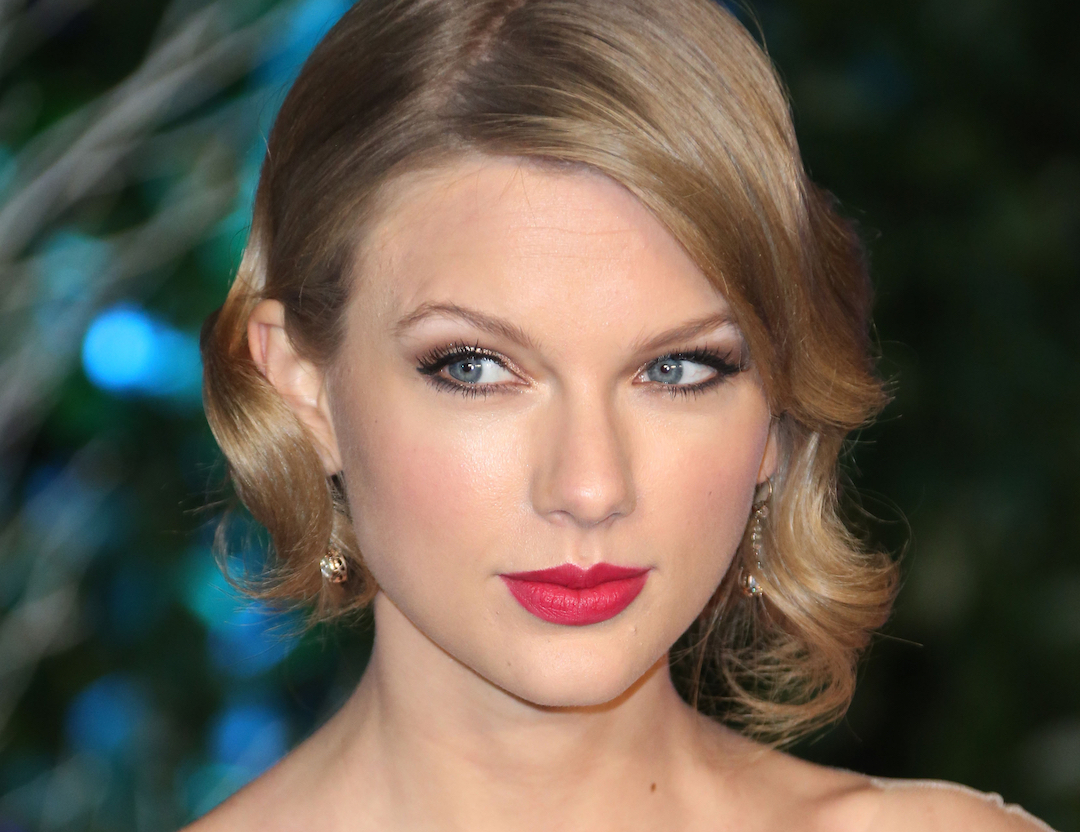
Photo 36046866 © Featureflash | Dreamstime.com
It was Taylor Swift who put the final nail in the coffin and had US officials, at last, seeing Red about unauthorized deepfakes.
On January 30, a bipartisan group of US senators put forward legislation targeting the distribution of AI-generated explicit images that were created without permission. This push, catalyzed by the spread of manipulated images depicting the superstar in a pornographic light on social media, introduces the Disrupt Explicit Forged Images and Non-Consensual Edits Act of 2024, or the DEFIANCE Act.
The DEFIANCE Act emerges in response to the growing concern over deepfakes, a disturbing trend where AI is used to alter a person’s appearance or actions in videos or images without their knowledge or consent. The recent incident involving Swift, where X-rated images went viral on X (formerly Twitter), underscores the urgent need for regulatory measures. Such abuse not only invades privacy but also has the potential to cause significant emotional and reputational harm, the senators assert.
The bill aims to criminalize the creation, possession with intent to distribute, and receipt of non-consensual “digital forgeries,” giving victims the opportunity to legally defend their reputations and seek justice in court.

Image generated on AI
This proposed law is championed by senators from both sides of the aisle, including Senate majority whip Dick Durbin, and senators Lindsey Graham, Amy Klobuchar, and Josh Hawley.
“Nobody—neither celebrities nor ordinary Americans—should ever have to find themselves featured in AI pornography,” expressed Senator Hawley in a press release. “Innocent people have a right to defend their reputations and hold perpetrators accountable in court. This bill will make that a reality.”
“Victims have lost their jobs, and may suffer ongoing depression or anxiety,” the senators noted.
Under the suggested legislation, those targeted by sexual AI-generated content can seek damages from individuals who produce, possess with the intent to distribute, or knowingly receive such material without consent.
The bill outlines specific protections for victims, including a 10-year statute of limitations that is more generous than the current default, ensuring that those affected have ample time to take legal action once they become aware of the misuse of their image.
The DEFIANCE Act also aims to address the challenges faced by social media platforms in managing the spread of deepfake content. As technology advances, it represents a critical step in evolving legal frameworks to protect individuals in the digital age.
[via The Guardian and TIME, images via various sources]


