
Thailand Moves To Ban ‘Copyright-Infringing’ Elephant Pants Made In China
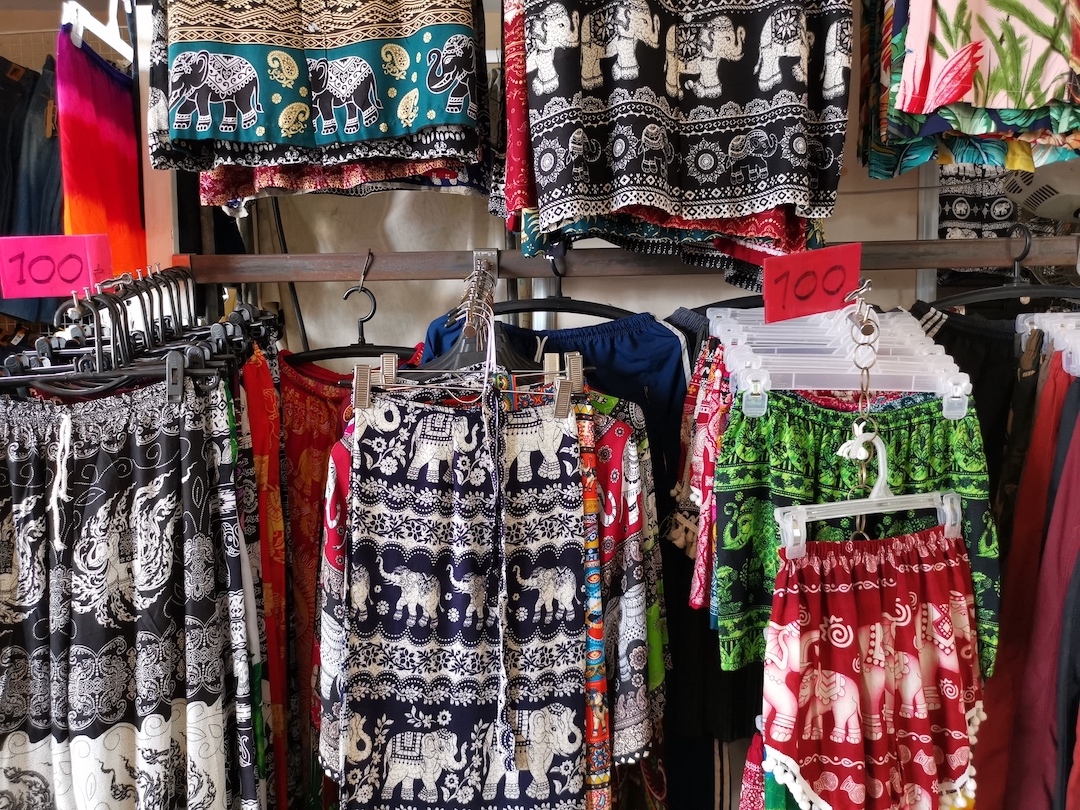
Photo 161273500 © Ifocus | Dreamstime.com
Thailand is taking giant steps to safeguard one of its most iconic fashion statements—the elephant-print trousers. Beloved for their comfort and cultural significance, this bottomwear has become a staple among tourists and locals alike.
A rise in cheaper, lower-quality imitations from China, however, has prompted the Thai government to address the elephant in the wardrobe and take action to protect its intellectual property and support local craftsmanship.
The elephant trousers, a symbol of Thai tradition and a nod to the country’s vibrant culture, have seen a resurgence in popularity, thanks in part to social media influencers and fashion-savvy Thais. The appeal of these garments lies not only in their distinctive design but also in their functionality, offering a breezy solution to Thailand’s humid climate with their soft cotton material.
“Elephant pants have become cooler and trendier,” a Bangkok-based marketing professional tells the Telegraph, praising their suitability for the local weather and their cultural resonance.
Despite its prevalence, the elephant design is copyrighted in Thailand.

Photo 305030421 © Teerapong Nantavasin | Dreamstime.com
Concerned about the flood of knockoffs, Deputy Prime Minister and Commerce Minister Phumtham Wechayachai has directed the Customs Department to tighten import controls at all entry points.
According to the Bangkok Post, the counterfeit garments are being trumpeted on Chinese platforms for “at least 10 times cheaper” than their authentic Thai counterparts, with the copies starting ar around 30 baht (US$0.84) per piece at wholesale rates.
Thai vendors have been found selling the fakes for 65 baht (US$1.82) for shorts and 75 baht (US$2.10) for pants, a price point that’s hard for local artisans to compete with.
“If we allow foreign producers to produce it, it might impact the local Thai products,” Phumtham told members of the press. “Thai products are standardized. Some [imported] products are easily torn after using them a couple of times.”
Phumtham said he has also called upon the Intellectual Property Department to assess the widespread availability of the counterfeits and the Department of International Trade Promotion to get local manufacturers to add ‘Made in Thailand’ labels to the garments.
Some local producers, however, remain optimistic about their competitive edge, citing the superior quality of their gentler giants.
[via The Telegraph, Bangkok Post, The Straits Times, images via Dreamstime.com]


