
5,000-Year-Old Human Sacrifice With Brutal End ‘Speaks’ Through His Teeth
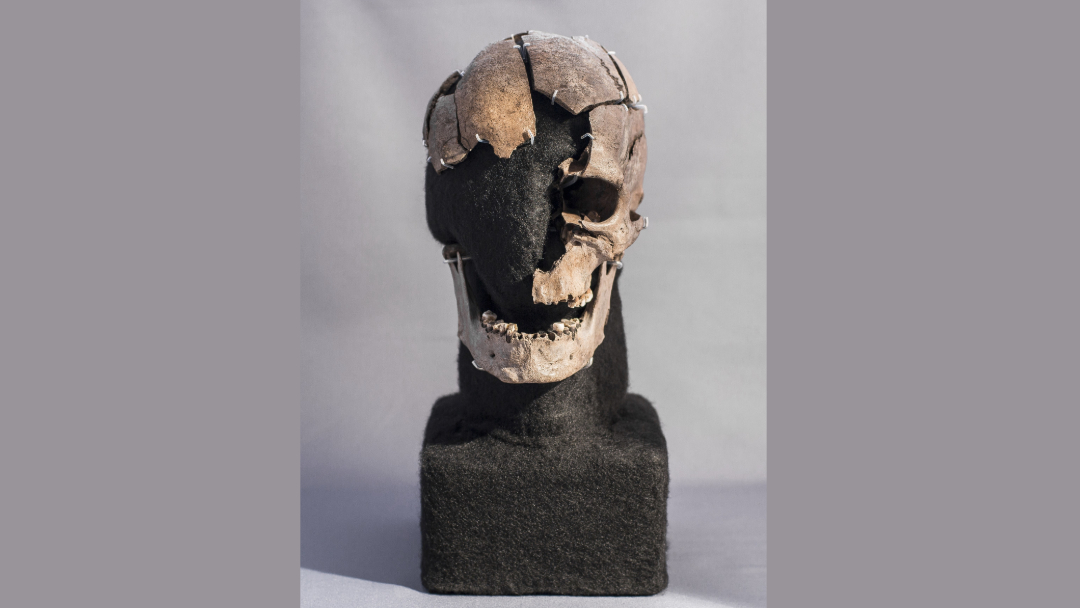
Photo: Stephen Freiheit, via Fischer et al, 2024, PLOS ONE / EurekAlert (CC-BY 4.0)
Over a century after his remains were unearthed in a Danish peat bog, the Vittrup Man is finally telling his story, thanks to impressive research published on February 14, 2024, in PLOS ONE. This Neolithic individual, whose life journey took him from the Scandinavian coast to Denmark, met a grim end through sacrifice, according to a study led by Anders Fischer of the University of Gothenburg, Sweden, and his team.
Discovered in 1915 near Vittrup, northern Denmark, the Vittrup Man’s bones were accompanied by relics of his time—a ceramic pot and a wooden club, symbols of a life that spanned from around 3,800 to 3,500 BC. For decades, these remains offered more questions than answers, until recent advancements in genomic and isotopic analysis began to unravel the mystery of his origins and demise.
The study’s isotopic findings about the Vittrup Man’s tooth enamel paint a picture of a childhood spent by the sea, with a diet that later embraced the agricultural practices of his new home in Denmark.
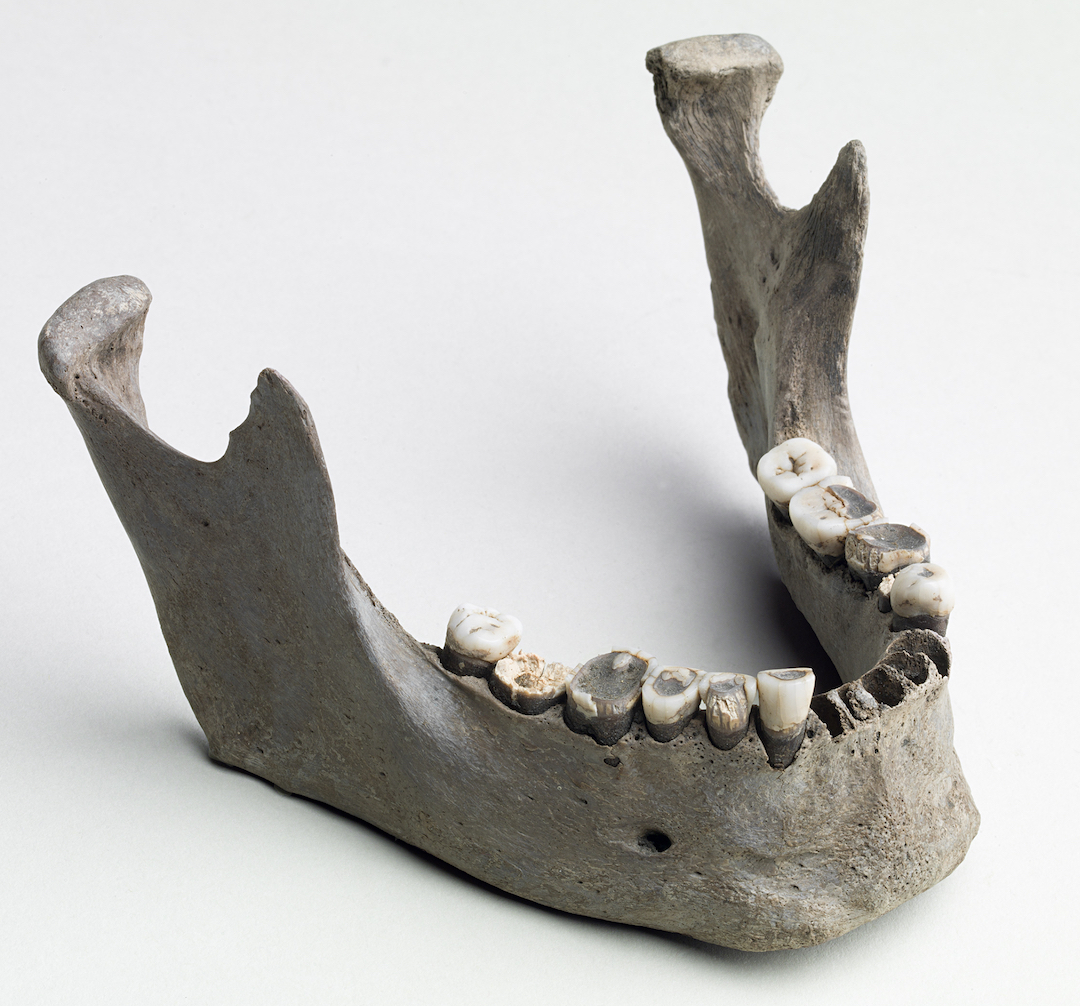
Photo: Arnold Mikkelsen, via Fischer et al, 2024, PLOS ONE (CC-BY 4.0)
The research reveals that the Vittrup Man, who lived between 3,300 and 3,100 BC, was an outsider in the lands he eventually called home, his genetic profile markedly different from the local population of his final days. His meals, rich in marine mammals and fish in his early years, later transitioned to include farm foods like sheep or goat meat, marking his shift from a coastal forager to a member of a farming community.
Yet, it’s the manner of his death that casts a shadow over his story. The evidence of brutal violence—with at least eight blows to the skull—suggests he was either a victim of murder or, more intriguingly, a participant in a ritual sacrifice who died by bludgeoning. The presence of a maple-wood club near his remains hints at a possible cause, while the sacrificial significance of the site where he was found adds layers of mystery to his final moments.
This detailed reconstruction of the Vittrup Man’s life and death offers a rare glimpse into the complexities of ancient human life, migration, and the practices that once defined our ancestors.
[via Gizmodo, Live Science, ScienceDaily, images via Fischer et al, 2024, PLOS ONE (CC-BY 4.0)]


