
United States Sues Apple For Unfairly Hindering Innovation With iPhones
Photo 309100855 © Rimidolove | Dreamstime.com
Does Apple need to be humbled in the smartphone game? The US Department of Justice (DOJ) thinks so. In a major antitrust lawsuit, the government accuses the Cupertino tech giant of wielding its control over the iPhone and App Store to stifle competition and keep prices high for consumers.
The lawsuit paints a picture of Apple as a “walled garden,” a self-contained ecosystem where developers must abide by strict rules or face exclusion. A key point of contention is the mandatory use of its in-app purchase system, which takes a hefty 30% commission on all digital transactions within apps. The DOJ argues this not only inflates app prices for consumers but also squeezes developers’ profit margins, potentially hindering innovation.
“Consumers should not have to pay higher prices because companies violate the antitrust laws. We allege that Apple has maintained monopoly power in the smartphone market, not simply by staying ahead of the competition on the merits, but by violating federal antitrust law,” says Deputy Attorney General Lisa Monaco. “If left unchallenged, Apple will only continue to strengthen its smartphone monopoly.”
It’s iOS against the world
The paperwork also alleges Apple restricts access to certain functionalities within iOS. This could involve limitations on using Bluetooth or Near Field Communication (NFC) chips, making it difficult for developers to create apps that directly compete with Apple’s own services like Apple Pay or iMessage.
Essentially, the DOJ claims this creates an uneven playing field, favoring Apple’s products while hindering competitors.
Taking aim at a wider range of Apple’s practices, the department adds that Apple intentionally diminishes the functionality of non-Apple smartwatches when paired with iPhones.
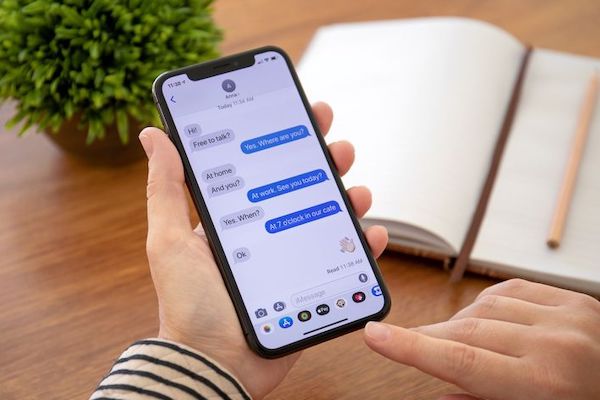
Photo 132055542 © Prykhodov | Dreamstime.com
Perhaps most notably, the DOJ accuses Apple of making it difficult for users to switch from iPhones to other smartphone platforms. It criticizes the company’s refusal to allow its blue-bubbled iMessage app to exchange encrypted messages with competing platforms, potentially locking users into the Apple ecosystem. All these practices, the DOJ argues, ultimately limit consumer choice and slow down the overall progress of mobile technology.
“No company is above the law”
The legal action seeks to dismantle the “walled garden” Apple has built around its products, which has contributed to the company’s nearly US$400 billion annual revenue and, until recently, a market value of more than US$3 trillion.
“No matter how powerful, no matter how prominent, no matter how popular—no company is above the law,” Deputy Attorney General Monaco adds. “Through today’s action, we reaffirm our unwavering commitment to that principle.”
Apple’s response
Apple has strongly resisted these claims, responding that the department is “wrong on the facts and the law” and insisting that its App Store ecosystem protects user privacy and security, while fostering innovation among developers. It plans to “vigorously defend against” the lawsuit.
This case could have a significant impact on the future of the smartphone market. If the DOJ wins, it could force Apple to change its App Store policies and loosen its grip on the iOS ecosystem. This may lead to lower prices for consumers, more innovation from developers, and potentially even a more open and competitive smartphone market.
[via DW, TIME, TechCrunch, ZDNET, images via various sources]


