
A Medieval Cat Walked Over This Manuscript From The 15th Century
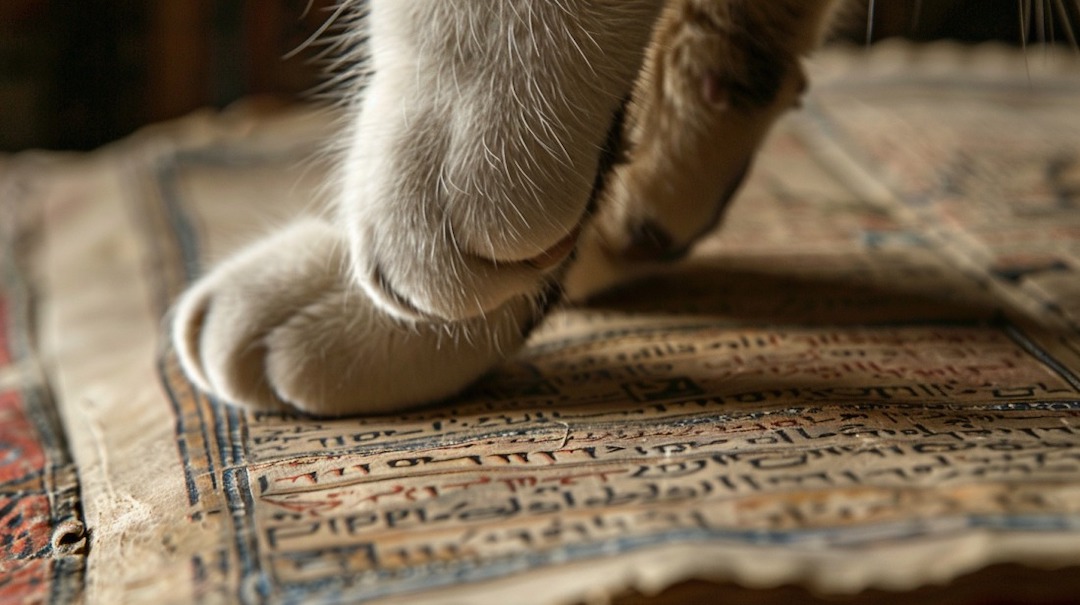
Image generated on AI
If there’s one thing that hasn’t changed in centuries, it’s cats causing trouble when least expected. In the 15th century, long before the internet made feline antics viral, one mischievous character left a literal mark on history by traipsing across a freshly inked manuscript.
While going through medieval manuscripts in Dubrovnik, Emir Filipovic, a medievalist from the University of Sarajevo, stumbled upon a unique set of inky paw prints. The a-mew-sing prints found on the delicate pages were left by a cat who had clearly interrupted its owner’s precious work by stepping into an ink pot and then wandering across the parchment.
Modern-day observers would resonate with the situation, which parallels with the everyday interruptions created by furry friends at home.
@erik_kwakkel Speaking of cats, this is definitely the mark of one angry feline in the State Archives of Dubrovnik. pic.twitter.com/v1GpVTJR
— Emir O. Filipovic (@EmirOFilipovic) September 27, 2012
You have your cat ladies, and then you have those who (probably) prefer dogs. In another medieval instance, a monk in Deventer recorded—with gret frustration—of an incident in which a cat had relieved itself on his papers.
According to the scribe’s margin notes, a cat had urinated on the manuscript during the night. The monk cursed the “pesty cat” for the damage, advising others to keep their books closed and out of reach.
These incidents reflect the dual roles cats played in medieval times. They were valued for their ability to control rodents, yet they often brought chaos to the scriptorium. These furry intruders disrupted the diligent work of scribes, leaving permanent marks on historical documents.
Cats have always had a knack for making their presence felt, whether in medieval monasteries or modern homes. These historical footnotes show that even in the purr-suit of knowledge and piety, such accidents could not be entirely avoided.
[via My Modern Met, Open Culture, Smithsonian Magazine, images via various sources]


