
Van Gogh ‘Irises’ Probe Reveals Flowers Weren’t As Blue As They Look Today
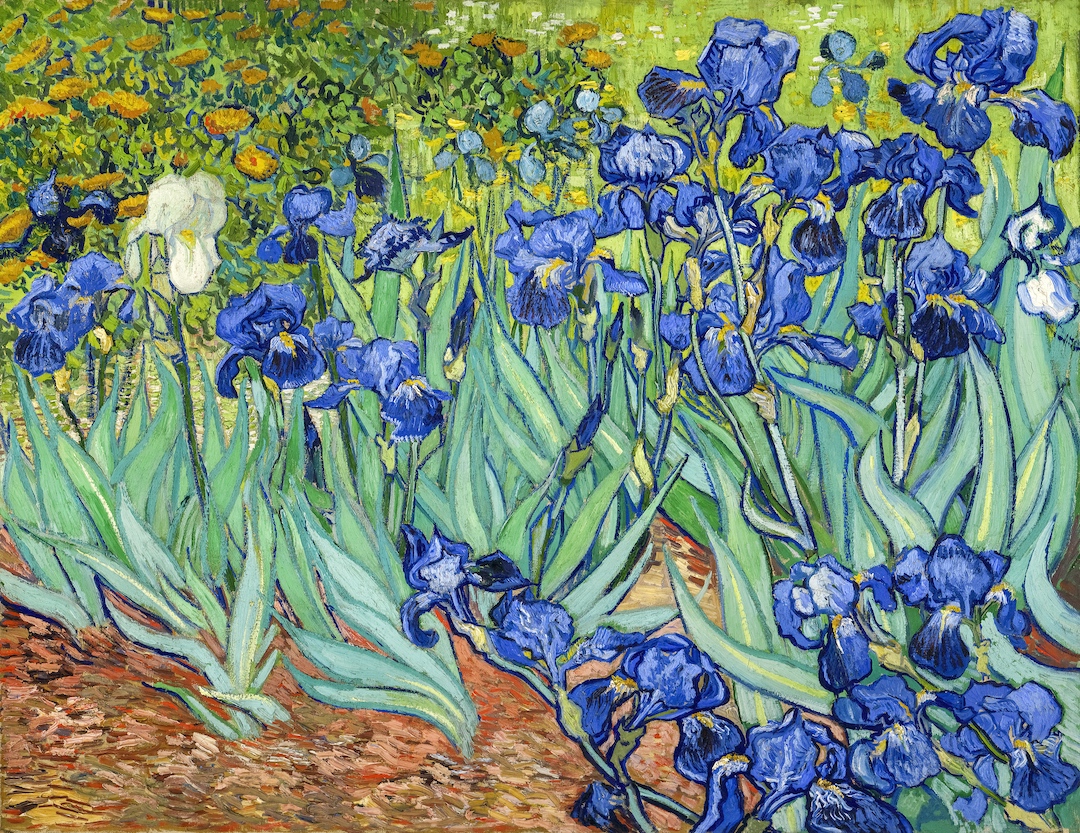
Photo 313942029 © corvalol | Dreamstime.com
Shades of azure and ultramarine seem to sprout all over Vincent van Gogh’s Irises. It turns out, however, that the masterpiece’s true colors have stayed hidden behind the cloak of time.
The tortured artist once wrote to his brother about painting some “violet irises,” which contrasts with the blooms we see today at the Getty Museum. The vibrant discrepancy has prompted scientists and conservators of the institute to investigate how the painting’s colors might have changed over time.
Using advanced scientific tools, Getty researchers analyzed Irises to identify the pigments Van Gogh used and understand how they have degraded over the years. Their findings, alongside a digital reconstruction of how Irises may have originally appeared, will be showcased in the exhibition Ultra-Violet: New Light on Van Gogh’s Irises at the Getty Center this October.
The @GettyMuseum and the GCI present Ultra-Violet: New Light on Van Gogh’s Irises. On view at the Getty Center from Oct. 1, 2024, through Jan. 19, 2025, the exhibition focuses on the environment in which Irises was created and investigates how some of the colors have changed over… pic.twitter.com/UxnS6rFMJJ
— Getty Conservation Institute (@GCIConservation) July 24, 2024
This retrospective will not only reveal the new scientific insights about the painting but also explore the environment in which Van Gogh created it and how its hues have shifted over time.
The team found that Van Gogh, who demonstrated some knowledge of color science, created his violet hues by mixing blue and red pigments. However, the red pigment, geranium lake, has faded significantly over time due to light exposure.
The susceptibility of dyes from certain materials to alteration were supposedly known to Van Gogh and his contemporaries, yet they used it for its vibrant effects.
Among the fascinating discoveries, researchers found a pollen cone embedded in the paint, indicating Van Gogh painted the Irises outdoors in the hospital garden at Saint-Rémy-de-Provence.
Curated by Devi Ormond, associate conservator of paintings at the Getty Museum, and Catherine Patterson, a scientist at the Getty Conservation Institute, the exhibition is part of PST ART, a Getty initiative presenting over 70 exhibitions across Southern California under the theme Art & Science Collide. The initiative is supported by Bank of America, Alicia Miñana & Rob Lovelace, the Getty Patron Program, and the Simons Foundation.
Timothy Potts, the director of the J. Paul Getty Museum, emphasizes the intersection of art and science in conservation. “Art conservation brings together art history with scientific research,” he noted. “For years, we have wanted to undertake research on our Van Gogh Irises. The Museum’s closure during the COVID pandemic provided the perfect opportunity for extensive research and analysis.”
But it’s not all bloom, doom, and gloom. The spectacle will also show us how Van Gogh brought his masterpiece to life. There will be loans from the Van Gogh Museum, including a replica of a red lacquered box with yarn balls Van Gogh used to study color relationships, and the original letter to his brother Theo where he mentions starting on Irises.
“We hope visitors to the exhibition will leave with a greater sense of the place in which this masterpiece was painted, and the importance of the hospital garden to Van Gogh,” expresses Devi Ormond, conservator at the Getty Museum.
You can stop and smell the Irises at the Getty Center, which will shed light on the painting’s potential true brilliance from October 1, 2024, through January 19, 2025.
[via TheCollector, Artnet News, ArtDependence cover photo 313942029 © corvalol | Dreamstime.com]


