
Royal Mint Is Spinning Discarded Electronic Parts Into Gold
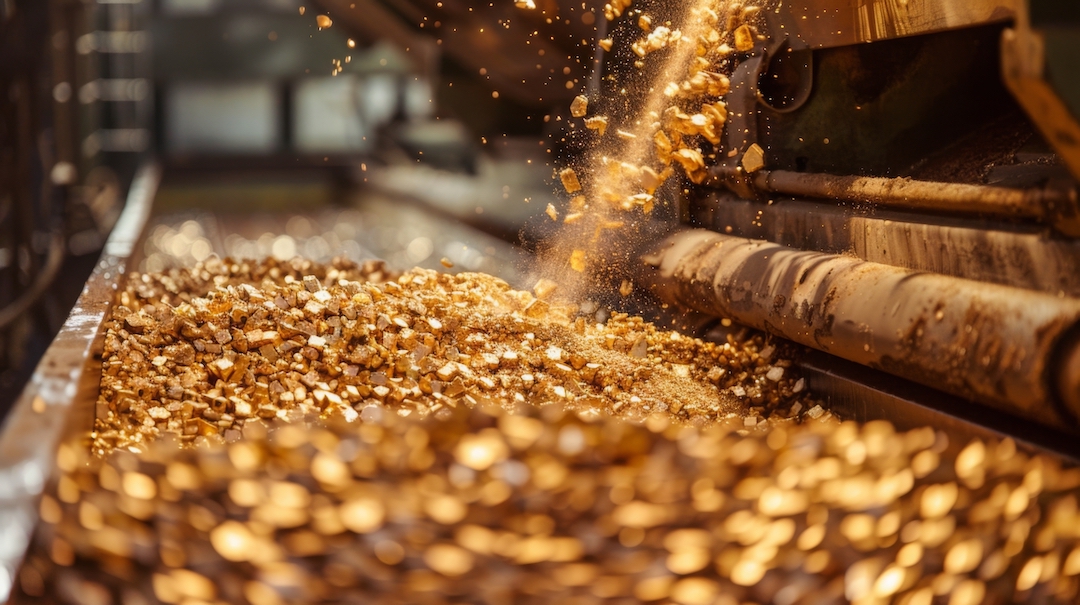
Illustration 319571019 © Emilyprofamily | Dreamstime.com
Gold from garbage? It’s not a Midas touch, but The Royal Mint’s latest venture might just be worth its weight in circuit boards.
The venerable institution, steeped in over a thousand years of coin-minting history, is now turning its expertise to a modern-day alchemy: extracting precious metals from electronic waste. At its Llantrisant site in south Wales, a 3,700 square meter (39,800 square foot) facility has been established, dedicated to the art of “urban mining.”
With e-waste piling up faster than some might say “upgrade,” The Royal Mint’s initiative couldn't be more timely. The United Nations reports that 62 million tonnes of electronic detritus were discarded in 2022 alone, with that figure expected to surge by a third come 2030. The Mint is hoping to polish this problem into an opportunity.
Inside the facility, circuit boards of mobile phones, laptops, televisions, and more undergo a thorough transformation. They’re sorted, sliced, and diced, with gold-containing components separated for processing. The chemical leaching that follows yields a seemingly unremarkable powder. But don’t be fooled—when heated, this dull dust transforms into lustrous nuggets of 999.9 purity gold.
The factory aims to process over 4,000 tonnes of e-waste annually, keeping valuable elements within UK borders. Using patented chemistry from Canadian clean tech company Excir, the plant can extract gold from printed circuit boards found in everyday electronics in a matter of minutes. What sets this process apart is its ability to operate at room temperature, making it both energy-efficient and cost-effective.
The extracted gold isn’t destined to sit in a vault, either. It’s already finding its way into The Royal Mint’s luxury jewelry collection, 886. Looking ahead, there are plans to incorporate this sustainably sourced gold into commemorative coins, marrying tradition with forward-thinking practices.
Sean Millard, chief growth officer at The Royal Mint, emphasizes the broader implications of this project. “The factory underpins our commitment to using sustainable precious metals and providing a new source of high quality, recovered gold,” he says. “It allows us to reduce our reliance on mined materials and is another example of how we’re working to decarbonise our operations.”
Oftentimes, innovation means looking at our castoffs with fresh eyes—and seeing the gold hidden within.
[via BBC and Evening Standard, cover illustration 319571019 © Emilyprofamily | Dreamstime.com]


